 Michael Hardy
 Costa Rica generates over 98% of its electricity from renewable sources. That stat gets repeated constantly. What gets ignored: most “eco-hotels” in the country still run diesel generators for backup, import construction materials from China, and pay lip service to sustainability while cutting corners. The boutique lodges that take conservation seriously charge more — sometimes double — and travelers need to know whether the premium is real or just marketing.
This is not legal advice. It is not even travel advice. It is a pricing audit of what eco-friendly boutique hotels in Costa Rica will cost in 2026, which ones justify their nightly rates, and which ones are simply luxury resorts with a recycling bin in the lobby.
What “Eco-Friendly” Actually Means at Costa Rica Boutique Hotels in 2026
Most travelers assume a hotel with solar panels and a “we reuse towels” sign qualifies as eco-friendly. That standard is worthless. In Costa Rica, the Certification for Sustainable Tourism (CST) program — run by the Instituto Costarricense de Turismo — rates properties on a scale of 0 to 5 based on environmental footprint, community engagement, and cultural preservation. A hotel scoring below 4 is not meaningfully sustainable, regardless of how many plants are in the lobby.
The deeper problem: CST certification is voluntary. Plenty of excellent eco-lodges never bother with the paperwork. Others chase the badge while quietly running air conditioning 24/7 in unoccupied rooms. In 2026, the lodges worth your money fall into three categories:
- Private reserve lodges — properties that own or manage hundreds of acres of primary forest. Examples: Lapa Rios Lodge on the Osa Peninsula (1,000 acres), Pacuare Lodge (840 acres). These are conservation projects first, hotels second.
- Regenerative farm-stays — working coffee or cacao farms that host guests. Example: Finca Rosa Blanca in Heredia. The farm income subsidizes organic agriculture and reforestation.
- Architecture-first retreats — lodges built with local materials, passive cooling, and minimal site disruption. Example: Kurà Design Villas in Uvita, which sits on a ridgeline and uses cross-ventilation instead of air conditioning in common areas.
If a hotel cannot tell you its water source, waste disposal method, and how many local employees it has, it is not an eco-lodge. It is a hotel with a green Instagram filter.
How to Verify a Lodge’s Claims Before Booking
Ask three questions by email before reserving. First: “What percentage of your staff lives within 50 kilometers of the property?” Acceptable answer: above 70%. Second: “Where does your wastewater go?” Acceptable answer: an on-site treatment system or biodigester, not a septic tank that may leach. Third: “What is your backup power source during dry season?” If the answer is diesel generators with no solar battery storage, the lodge is not fully renewable. Most are not. The honest ones admit it.
The Pricing Premium Is Real — and Sometimes Justified
Eco-lodges in Costa Rica run 30% to 80% higher than comparable non-certified boutique hotels. A standard boutique room in Manuel Antonio costs $150-$250 per night in 2026. A comparable eco-lodge room in the same region costs $280-$450. The premium pays for things you cannot see: land conservation, staff training, organic waste processing, and community programs. Whether that matters to you is a values call. But do not pretend the premium is invisible.
2026 Price Comparison: Five Eco-Friendly Boutique Hotels Worth the Rate
| Hotel | Location | 2026 Nightly Rate (Double) | CST Rating | What the Money Buys |
|---|---|---|---|---|
| Lapa Rios Lodge | Osa Peninsula | $520-$680 | 5 | 1,000-acre private reserve, guided rainforest hikes included, all meals, no AC (by design) |
| Pacuare Lodge | Pacuare River, Turrialba | $490-$610 | 5 | Raft-in access only, 840 acres, solar-heated water, whitewater rafting included |
| Finca Rosa Blanca | Heredia (near SJO airport) | $310-$420 | 5 | Organic coffee farm, 40 acres, carbon-neutral since 2018, no children under 6 |
| El Silencio Lodge & Spa | Bajos del Toro cloud forest | $350-$480 | 4 | 500-acre cloud forest reserve, private hot spring tubs, farm-to-table restaurant |
| Kurà Design Villas | Uvita, South Pacific | $380-$550 | 4 | Adults-only, architectural passive cooling, ocean-view infinity pool, solar array |
These rates reflect 2026 high season (December through April). Green season rates drop 20% to 35%. Lapa Rios and Pacuare include meals and activities in the nightly rate; the others charge separately for food and excursions. When comparing prices, add $60-$100 per person per day for meals at lodges that do not include them.
The Hidden Costs of Costa Rica Eco-Lodges Most Travelers Ignore
Getting to the lodge is often more expensive and time-consuming than the stay itself. Lapa Rios requires a domestic flight from San José to Puerto Jiménez (about $150 round trip per person in 2026 on Sansa Airlines), then a 45-minute 4×4 transfer. Pacuare Lodge requires a raft-in — there is no road access. If you are not comfortable riding Class III rapids to reach your hotel, do not book it.
Transfer costs matter. A private shuttle from San José to Uvita for Kurà runs $180-$220 each way. From Liberia airport to Monteverde-area lodges, expect $120-$160. These are not hidden fees — the lodges disclose them — but travelers routinely forget to budget for them. A $400-per-night room can become a $700-per-night total trip cost once transfers, meals, and activities are added.
Also check the cancellation policy. Eco-lodges in remote areas have stricter terms than urban hotels. Lapa Rios requires 30 days’ notice for a full refund in high season. Pacuare charges 50% if canceled within 14 days. Travel insurance with cancel-for-any-reason coverage is worth the premium here.
Failure mode to avoid: booking a “remote eco-lodge” without checking the road conditions. Some properties in the Osa and Nicoya peninsulas are unreachable by standard sedan during green season. You will need a 4×4. That adds $80-$120 per day to your rental car cost. If you fly into San José and rent a Toyota Yaris, you are not reaching Lapa Rios.
When You Should NOT Book an Eco-Lodge in Costa Rica
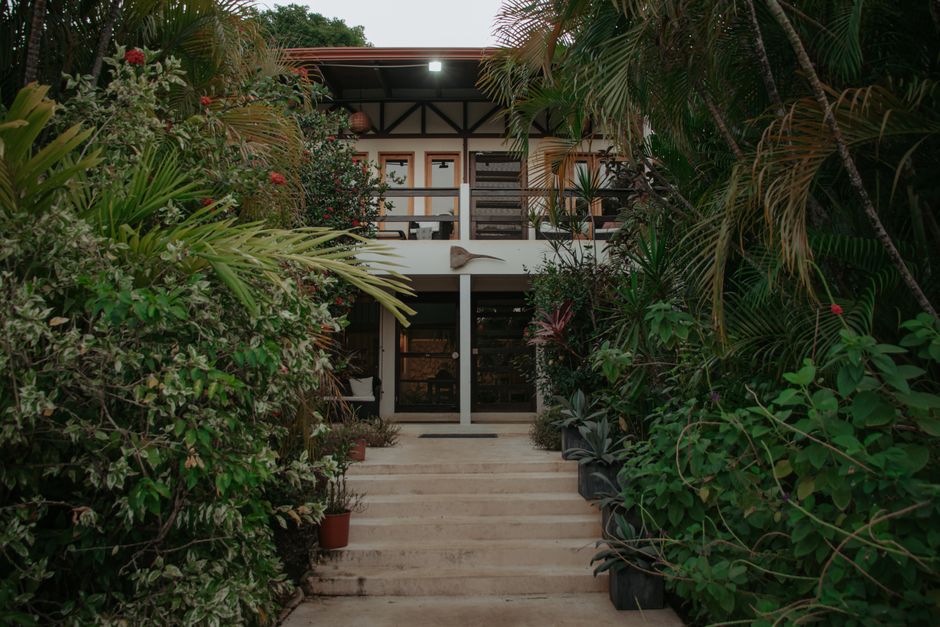
Eco-lodges are a poor fit for three types of travelers. First: anyone who needs reliable air conditioning. Most genuine eco-lodges use passive cooling, ceiling fans, and open-air design. Lapa Rios has no AC in any room. If you cannot sleep at 78°F with humidity, you will be miserable. Book a conventional hotel instead.
Second: travelers with mobility limitations. Remote eco-lodges involve stairs, uneven jungle paths, and limited accessibility. Pacuare Lodge requires stepping in and out of a raft. El Silencio has steep hillside trails between cabins. These are not ADA-compatible properties.
Third: families with young children. Several top eco-lodges — Finca Rosa Blanca and Kurà among them — restrict children under 6 or 12. The reasoning is safety and the quiet, adult-oriented atmosphere. If you are traveling with toddlers, look at family-focused alternatives like Arenas del Mar in Manuel Antonio, which has a strong sustainability program and welcomes children.
The tradeoff is real. A conventional luxury resort in Guanacaste — think the Four Seasons or Andaz Papagayo — offers AC, room service, and a beach club for $700-$1,200 per night. You can offset your carbon footprint separately. But you will not get the private reserve, the guided night hikes, or the sense that your money is protecting primary forest. Which matters more is a personal decision. Do not let anyone shame you either way.
Three Booking Strategies That Save 15% to 40% on Eco-Lodge Rates
Direct booking almost always beats third-party platforms for Costa Rica eco-lodges. Lapa Rios, Pacuare, and Finca Rosa Blanca all offer direct-booking perks: free transfers, complimentary meals, or room upgrades. Booking.com and Expedia list these properties, but the lodges pay 15% to 20% commission, and they rarely pass savings to third-party bookers. Email the lodge directly and ask for the best available rate. Most respond within 48 hours.
Travel in green season — May through November. Rates drop 20% to 35%, and the rain typically falls in afternoon bursts, not all day. The Osa Peninsula is lush and active in September. You will see more wildlife, fewer tourists, and pay less. The tradeoff: some roads become challenging, and a few lodges close for maintenance in October. Check before booking.
Stay longer. Many eco-lodges offer 7-night packages that include transfers, meals, and activities at a bundled rate 25% to 40% below the nightly rack rate. Lapa Rios runs a 7-night “Osa Adventure” package in 2026 that includes round-trip flights from San José, all meals, and daily guided hikes for roughly $4,200 per couple — compared to $4,900 if booked separately. That is real savings for a stay you were going to take anyway.
One more tip: avoid booking through US-based travel agents who mark up Costa Rica eco-lodges by 10% to 15%. Costa Rican travel agencies like Horizontes Nature Tours and Costa Rica Expeditions often have better local rates and include transfers at cost. If you want a human to handle logistics, use a local operator.
Verdict: Which Costa Rica Eco-Lodge Is Worth It in 2026
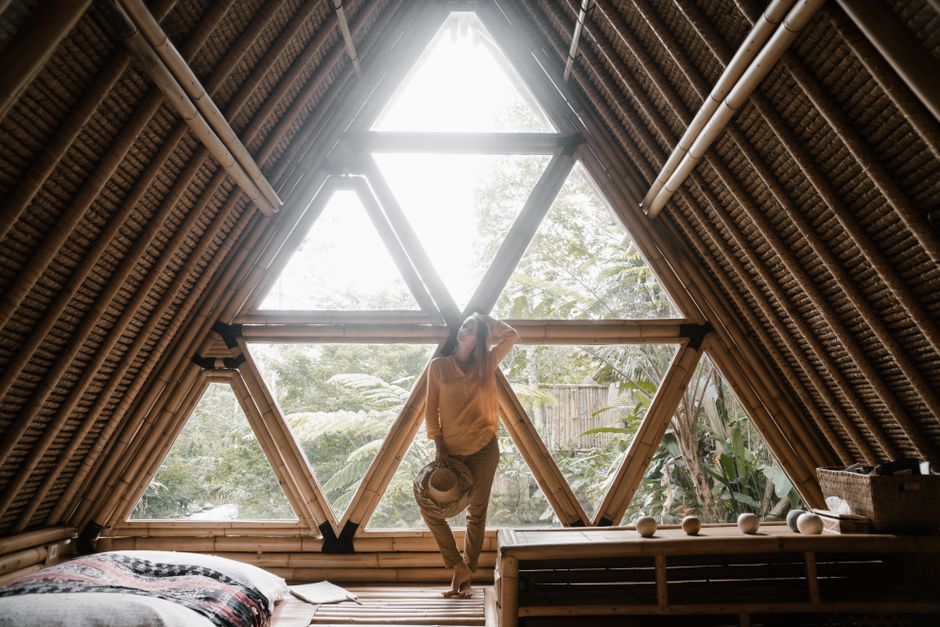
For most travelers, Lapa Rios Lodge is the best overall eco-lodge in Costa Rica for 2026. The CST 5 rating, 1,000-acre private reserve, included meals and guided hikes, and 30-year track record justify the $520-$680 nightly rate. It is expensive, but the value is transparent.
Finca Rosa Blanca is the smartest value play. At $310-$420 per night with a CST 5 rating and proximity to San José airport, it works as a first-night or last-night stay. The organic coffee farm is a genuine working operation, not a tourist prop.
Pacuare Lodge is the right choice only for adventure-focused travelers who want the raft-in experience. If you are not excited about whitewater rafting as transportation, skip it — the price is not justified without that element.
- Best overall: Lapa Rios Lodge — highest conservation impact, all-inclusive pricing, strongest CST credentials
- Best value: Finca Rosa Blanca — CST 5 at $310-$420, easy airport access, organic farm
- Best for couples: Kurà Design Villas — adults-only, architectural passive cooling, ocean views
- Best for cloud forest: El Silencio Lodge — 500-acre reserve, hot spring tubs, farm-to-table dining
- Best for adventure: Pacuare Lodge — raft-in access, 840 acres, solar-heated water
The eco-lodge premium in Costa Rica is real. In 2026, it runs $100-$250 per night above comparable conventional boutique hotels. Whether that premium is worth it depends on whether you value conservation impact over air conditioning. The lodges that earn the premium are transparent about their operations. The ones that do not are just charging more for a bamboo aesthetic.