 Michael Hardy
 You arrive in Beijing during the Lunar New Year holiday, step out into freezing air, and find the city moving at a slower family pace. Shops may close for several days, popular attractions fill quickly, and every metro carriage seems to carry red envelopes, flowers, or boxes of gifts. The best way to experience the city is to plan around one temple fair instead of trying to visit several in a single day.
When should you visit Beijing for Chinese New Year?
The strongest choice for a first visit is the first three days of the holiday, when temple fairs, lion dances, folk performances, food stalls, and family outings create the clearest festive atmosphere. The tradeoff is crowd size. If you want easier photos and more room to browse, go on a weekday morning after the first holiday rush.
What the festival is really for
Chinese New Year, also called the Spring Festival, begins with the lunar calendar rather than January 1. In 2026, Lunar New Year’s Day falls on February 17, beginning the Year of the Horse. The holiday centres on family reunions, honoring ancestors, welcoming good fortune, and starting the year with a clean home and positive wishes.
A Beijing temple fair, or miaohui, grew from gatherings near temples. Modern fairs combine religious spaces with food, crafts, stage shows, traditional games, seasonal decorations, and commercial stalls. You do not need to pray to enjoy one, but you should treat active temple areas as places of worship rather than photo backdrops.
Which days work best?
Go early on the first or second morning if performances matter to you. Arrive around 8:30 or 9:00 a.m., before tour groups and family crowds build. Midday is livelier but slower for walking. The fifth day of the lunar new year is also popular because many people welcome the God of Wealth, so fairs can become especially busy.
For a calmer visit, choose the middle of the holiday period and arrive before lunch. Check the official venue listing before leaving your hotel because opening dates, ticket rules, and performance times can change each year.
Which Beijing temple fair fits your travel style?
Do not choose a fair only because it appears first in a search result. Pick one based on location, crowd tolerance, and the kind of tradition you want to see. For most first-time visitors, Ditan is the strongest all-round choice because it combines a central location with classic Beijing festival scenes.
Compare the main fair styles
| Temple fair or venue | Best for | What to expect | Main tradeoff |
|---|---|---|---|
| Ditan Park | First-time visitors | Large folk performances, festive food, crafts, and traditional decorations | Very crowded near the main gates |
| Longtan Park | Families and outdoor activities | Folk arts, stage performances, snacks, and a spacious park setting | Less convenient if your hotel is in northwest Beijing |
| Changdian and Liulichang | Calligraphy and old Beijing culture | Couplets, paintings, antiques, cultural stalls, and historic streets | More market-like and less focused on rides or large shows |
| Dongyue Temple | Religious and folk traditions | Temple architecture, incense, prayers, and local New Year customs | Smaller site with tighter pedestrian space |
| Shijingshan | Entertainment and children | Lanterns, amusement-park activities, performances, and modern festival displays | Farther from the historic centre |
My clear pick for different trips
Choose Ditan for the most recognizable Beijing New Year experience. Choose Changdian if you care more about books, calligraphy, paintings, and traditional shopping than rides. Choose Dongyue Temple if your priority is observing temple customs. Choose Shijingshan when children need more space and structured entertainment.
In 2026, major Beijing fairs were scheduled around the February 17–21 holiday period, but a future program may use different dates. Treat the table as a way to choose a style, then confirm the official announcement for the year you travel.
How do you prepare for a temple fair day?
Preparation matters more than packing a long sightseeing list. You will walk, stand in queues, use crowded metro stations, and spend several hours outdoors in winter. Complete these steps the evening before.
Install and test the essential travel tools
- Alipay is free and can handle many everyday payments. Add a supported international card before you travel, then test the payment screen.
- WeChat is free and useful for hotel messages, venue notices, translation help, and QR-code services.
- Beijing Subway is a free route-and-fare app. Standard rail fares start at CNY 3 for journeys up to 6 kilometers, with distance-based increases.
- China Railway 12306 is free and useful if Beijing is one stop on a wider China trip. Create the account before a holiday travel day, when trains sell quickly.
- Pleco Chinese Dictionary has a free basic version. Download an offline dictionary and save the Chinese names of your hotel, fair, and nearest metro station.
Pack for cold weather and crowded gates
Wear three light layers, a warm coat, gloves, and shoes with firm soles. A temple fair can involve several kilometers of walking on hard ground. Carry a small battery pack, tissues, hand sanitizer, and a reusable bottle. Keep your passport and phone in a zipped inner pocket, not in an open coat pocket.
Save the venue name in Chinese before leaving. A screenshot works when mobile data slows down. Do not rely on one payment method; keep a small amount of cash for stalls or transport if a QR payment fails.
What do people actually do at a Beijing temple fair?
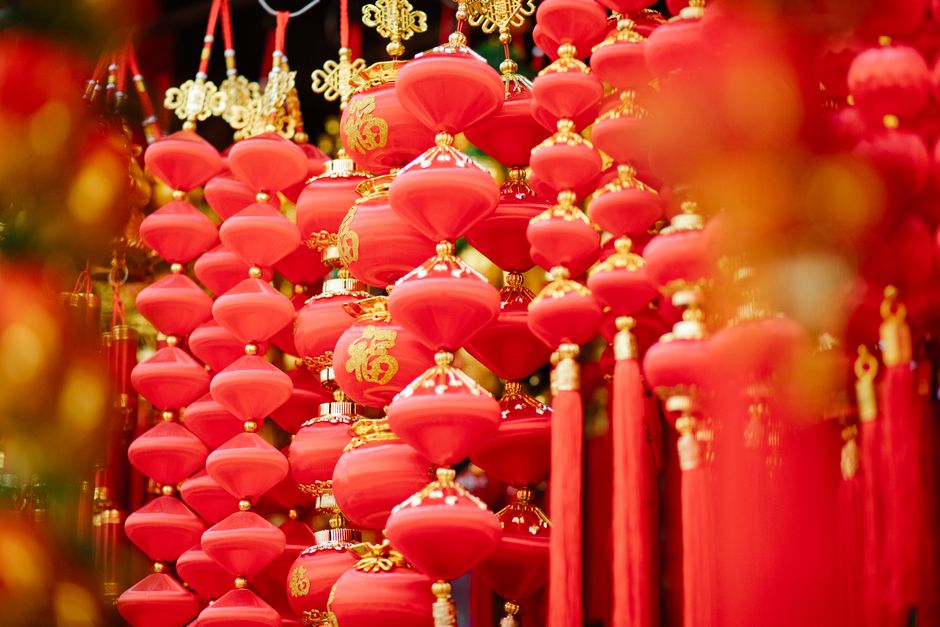
A temple fair is not just a street market with red decorations. It is a compressed view of New Year customs, entertainment, food, and local leisure. Go with a simple goal: watch two performances, try one seasonal snack, buy one small craft if you want a souvenir, and leave enough time to observe how families use the space.
What traditions will you see?
You may see lion dances, dragon dances, folk music, yangko dancing, acrobatics, opera excerpts, paper-cutting, New Year paintings, lantern displays, and demonstrations of traditional crafts. Some fairs also stage modern light shows or interactive exhibits. That mix is normal. Beijing’s current fairs preserve older customs while adapting them for large public events.
Red couplets, paper decorations, and the character fu appear everywhere. The character is often displayed upside down because the phrase sounds like fu dao, or fortune has arrived. Do not move decorations or touch offerings simply to improve a photograph.
What should you eat and how should you behave?
Look for jiaozi, tanghulu, steamed buns, fried dough, roasted nuts, and regional snacks. Buy food from busy stalls with visible turnover, and carry tissues because winter air and sticky sauces make eating while walking awkward. Ask about ingredients if you have an allergy; pointing at a picture is not enough for a serious reaction.
At an active temple, lower your voice, follow the queue for incense, and avoid standing in front of worshippers. Ask before photographing performers, craft workers, or children. The best visitor behavior is simple: watch first, copy local cues, and leave a clear path near gates and prayer areas.
How can you build a practical one-day New Year plan?
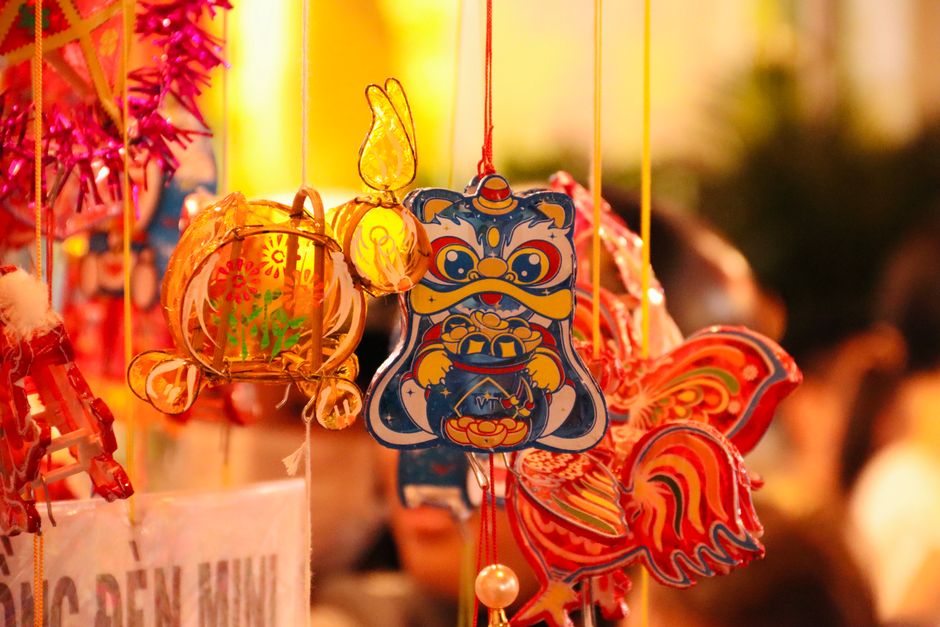
Use one central fair as the anchor and leave the evening flexible. This plan works because it places the busiest activity in the morning, when you have the most energy and the best chance of entering smoothly.
Follow this simple schedule
- 8:00 a.m. Eat breakfast near your hotel and check the venue notice, weather, and transit route.
- 9:00 a.m. Arrive at Ditan, Changdian, or your chosen fair. Start with the performance area before browsing stalls.
- 11:30 a.m. Eat one snack and take a short indoor break. Avoid ordering several unfamiliar foods at once.
- 1:00 p.m. Leave the busiest area for a nearby historic street, museum, or park.
- 4:00 p.m. Return to the hotel to warm up, charge your phone, and rest your feet.
- 6:00 p.m. Have a reserved dinner or choose a restaurant with a clear open sign and a short queue.
Use this final choice guide
| Your priority | Best choice | Why |
|---|---|---|
| Classic first visit | Ditan | The strongest mix of scale, performances, and recognizable Beijing atmosphere |
| Crafts and calligraphy | Changdian | Better for cultural browsing and traditional written art |
| Temple customs | Dongyue Temple | More focused on worship, architecture, and folk belief |
| Children’s entertainment | Longtan or Shijingshan | More room for activities and family-oriented programming |
| Quiet alternative | Hutong, museum, or local park | Less waiting and a better fit for travelers who dislike crowds |
The winning plan is the one that leaves room for the city to surprise you. Pick one fair, arrive early, respect the temple space, and keep the rest of the day light.