
 Michael Hardy
 Chicago is a city of extreme contrasts, not just in its weather but in its hospitality market. One week, you might find a four-star room in the Loop for $140; the next, that same room commands $650 because a medical convention has descended upon McCormick Place. Navigating the inventory of over 40,000 hotel rooms downtown requires more than just a quick search on a booking engine. It demands an understanding of the city’s unique geography, its tax structure, and the specific calendar events that dictate price surges. For those looking to secure genuine hotel deals in Chicago downtown, the strategy involves balancing timing with a willingness to look beyond the most obvious luxury towers lining Michigan Avenue.
Decoding the Seasonality of Chicago Hotel Rates
The most significant factor affecting hotel prices in Chicago is the climate. It is no secret that winters here are harsh, but for the value-seeking traveler, this is the primary window for deep discounts. From early January through the end of February, occupancy rates plummet. During this period, luxury properties like the Langham or the Peninsula, which often exceed $500 per night in the summer, may drop their rates significantly to attract domestic travelers. However, even in the dead of winter, a single large-scale event can disrupt this trend. The Chicago Auto Show in February, for instance, consistently tightens inventory.
Shoulder seasons—specifically April, May, September, and October—offer the best balance of manageable weather and moderate pricing. However, these months are also peak times for corporate meetings. Unlike leisure-heavy cities, Chicago’s downtown core is driven by business travel. A Tuesday night in October can be significantly more expensive than a Saturday night in the same month because of mid-week consulting and tech conferences. If your schedule is flexible, targeting Sunday and Monday nights often yields the lowest rates, as the weekend tourists have departed and the mid-week business surge hasn’t fully arrived.
Summer remains the most expensive time to visit. Between June and August, the combination of music festivals like Lollapalooza, street fairs, and general tourism keeps occupancy high. During these months, “deals” are less about low prices and more about finding value-added packages that include breakfast or parking, which can otherwise add $100+ to your daily expenditure.
Strategic Booking Windows for the Loop and River North
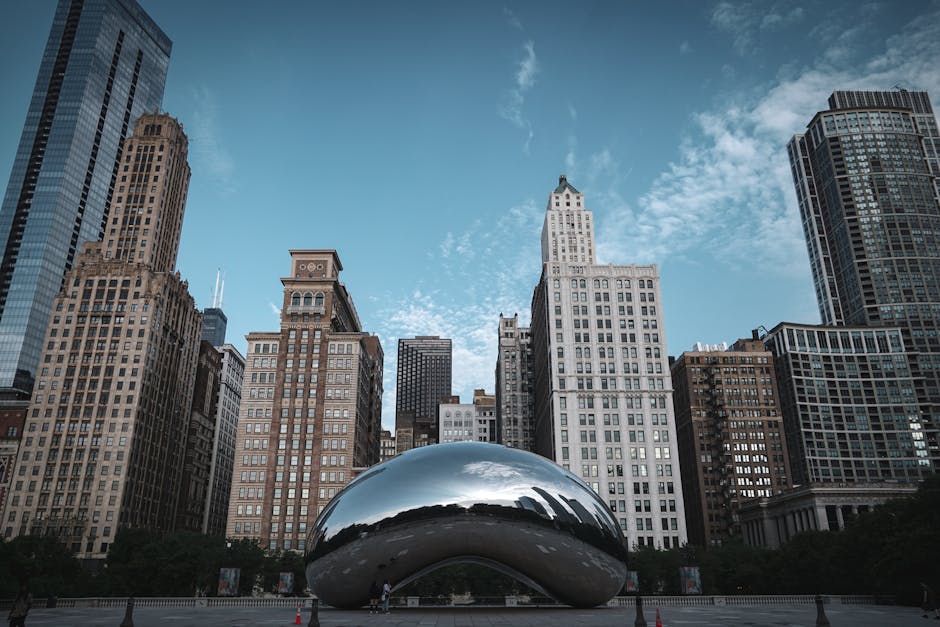
The timing of your booking is just as critical as the dates of your stay. Data from major booking aggregators suggests that for a market like Chicago, the sweet spot for booking usually falls between 15 and 30 days before arrival. Unlike resort destinations where early bird specials dominate, urban business hubs often see price drops as hotels attempt to fill their remaining inventory in the final weeks. However, this is a calculated risk. If you are visiting during a peak convention week, waiting until the last minute will almost certainly result in being priced out of the downtown area entirely.
For those who prefer certainty, booking a refundable rate 4-6 months in advance serves as a useful hedge. You can monitor prices as your trip approaches. If the rate drops or a better promotion appears, you can cancel and rebook. It is a common mistake to assume that “non-refundable” always means the lowest price. In many instances, the difference between a restrictive non-refundable rate and a flexible one is less than $20 per night. Given the volatility of Chicago’s travel landscape, that small premium is often a wise investment.
Monitoring the McCormick Place event calendar is a deep-researcher tactic that pays dividends. McCormick Place is the largest convention center in North America. When the Radiological Society of North America (RSNA) or the National Restaurant Association holds their annual meetings, they can occupy upwards of 30,000 hotel rooms. During these weeks, hotel deals in Chicago downtown effectively vanish. If you see a week where prices seem inexplicably high across all platforms, check the convention calendar; if a major show is in town, consider shifting your dates by just three days to see a 40-50% price reduction.
Analysis of High-Value Downtown Accommodations
When searching for value, it is helpful to categorize hotels by what they offer relative to their price point. Some hotels are consistently cheaper because they lack certain amenities, while others offer high-end experiences at mid-range prices due to their location or brand positioning. Below is a comparison of three properties that frequently offer competitive rates in the downtown area.
| Hotel Name | Average Price (Off-Peak) | Pros | Cons |
|---|---|---|---|
| Freehand Chicago | $110 – $160 | Excellent River North location; vibrant social atmosphere; unique interior design. | Standard rooms are very small; can be noisy at night due to the on-site bar. |
| CitizenM Chicago Downtown | $155 – $210 | High-tech room controls; very clean; located right off Michigan Avenue. | Modular room design means no traditional closets or desks; strictly for 1-2 people. |
| Swissôtel Chicago | $175 – $250 | Large rooms with triangular windows offering great views; professional service. | Slightly removed from the heart of the Loop; decor can feel a bit corporate. |
The Freehand Chicago is a standout for those who prioritize location over square footage. It occupies a classic 1920s building in River North, surrounded by some of the city’s best dining. While it offers hostel-style bunk rooms, its private king rooms are frequently priced lower than nearby Marriotts. Conversely, CitizenM targets the modern traveler who values efficiency. Everything is controlled via an iPad, and while the rooms are tiny, they are designed with high-quality materials that make them feel more expensive than they are. For those who need more space, the Swissôtel often runs promotions on larger suites, especially during the winter months when their business-heavy clientele thins out.
Navigating the Complexity of Chicago Hotel Taxes and Fees
The price you see on a search engine is rarely the price you pay in Chicago. The city has one of the highest hotel tax rates in the United States, currently sitting at 17.4%. This tax is a combination of state, city, and various municipal charges, including a specific tax that funds the Metropolitan Pier and Exposition Authority. When you are hunting for hotel deals in Chicago downtown, you must factor this nearly 20% surcharge into your budget. A $200 room quickly becomes $235 before any other fees are applied.
Beyond taxes, “destination fees” or “amenity fees” have become increasingly prevalent in the downtown market. These are mandatory daily charges, often ranging from $15 to $35, which hotels claim cover things like high-speed Wi-Fi, bottled water, or fitness center access. In reality, they are a way for hotels to advertise a lower base rate on comparison sites. Always click through to the final checkout page to see the total cost including these fees. Some brands, like Loews or certain independent boutiques, are more transparent about these costs than others.
Parking is the final hidden budget killer. Valet parking in the Loop or River North typically costs between $65 and $80 per night, with limited in-and-out privileges. If you are driving into the city, a “deal” on a hotel can be completely negated by parking costs. To mitigate this, use third-party parking apps like SpotHero to find garages within a two-block radius of your hotel. You can often find covered, secure parking for $30-$40 per 24-hour period, effectively saving you enough to upgrade your room category or pay for a high-end dinner.
Leveraging Membership Discounts and Opaque Booking Engines
Standard discounts like AAA, AARP, and government rates are particularly effective in Chicago. Because the city has such a high volume of chain hotels (Marriott, Hilton, Hyatt), these membership rates are almost always available and typically offer 10-15% off the best available rate. More importantly, these rates often come with more generous cancellation policies than the standard “member rate” found on the hotel’s own website. If you are a member of any professional organization, it is worth checking if they have a negotiated rate with specific Chicago properties.
Opaque booking engines—where the name of the hotel is hidden until after you pay—can be highly effective in a dense market like Chicago. Platforms like Hotwire or Priceline’s “Express Deals” often feature four-star properties in the Loop for under $150. The trick to using these successfully is to look at the map and the amenities. If a deal is for a 4.5-star hotel in the “Millennium Park – Loop” area with a fitness center and a restaurant, there are only a handful of hotels it could possibly be (such as the Hyatt Regency or the Fairmont). Cross-referencing the review scores on the opaque site with TripAdvisor can often help you identify the property with 90% certainty before you commit.
Direct booking remains a viable strategy for those seeking perks rather than just the lowest price. Many Chicago hotels, particularly boutiques like the Virgin Hotels Chicago or the Alise, offer “book direct” incentives. These might include a $20 minibar credit, late checkout, or a room upgrade. While the nightly rate might match Expedia, the total value of the stay is higher when booking through the hotel’s own portal. Furthermore, if something goes wrong with your reservation, the hotel staff has much more flexibility to assist you if you didn’t book through a third-party intermediary.
The Impact of Major Conventions and Events on Availability
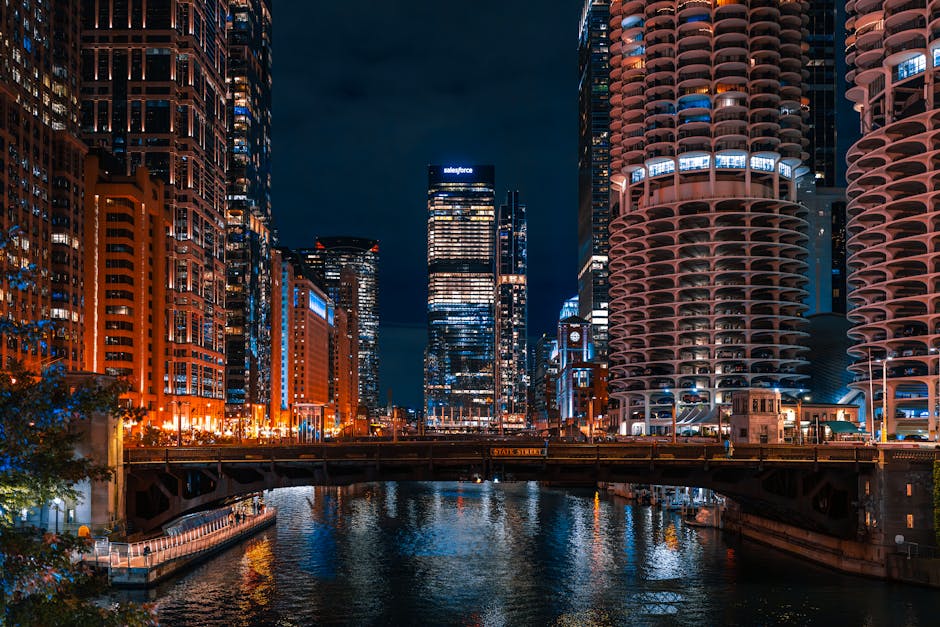
Understanding the rhythm of the city’s event schedule is the difference between a budget-friendly trip and a financial headache. Chicago is a premier destination for large-scale festivals and sporting events. For example, the Chicago Marathon in October draws 45,000 runners and their families. During marathon weekend, hotels in the South Loop and near Grant Park will be at 100% occupancy months in advance. Similarly, Lollapalooza in August turns the entire downtown area into a high-priced zone. If your goal is to find a deal, you must avoid these specific windows.
Booking during a major convention week doesn’t just mean higher prices; it often means diminished service levels as hotel staff are stretched thin by thousands of simultaneous check-ins.
Conversely, the weeks immediately following major holidays—such as the first two weeks of January or the week after Labor Day—often see a significant dip in demand. During these lulls, hotels are much more likely to offer “stay more, save more” promotions, where a third or fourth night is complimentary. These are the best opportunities to stay at iconic properties like the Palmer House Hilton or the Drake for a fraction of their peak-season cost. The Palmer House, in particular, is a massive property with over 1,600 rooms; when they have a gap in their convention schedule, they are forced to drop rates aggressively to maintain occupancy.
It is also worth noting the influence of the Chicago sports calendar. While a standard Cubs or Sox game won’t move the needle for downtown hotel prices, a playoff run or a major cross-town series can tighten inventory in the North Side and River North areas. Always check if there are major concerts at Soldier Field or United Center during your stay, as these events draw thousands of out-of-town visitors who compete for the same pool of downtown rooms.
Alternative Neighborhoods with Downtown Accessibility
If the prices in the immediate Loop or River North areas are too high, the best strategy is to look along the CTA “L” lines. Chicago’s public transit system is robust, and staying just three or four stops away from the center can save you $100 per night without significantly increasing your commute time. The West Loop, once an industrial district, is now home to some of the city’s trendiest hotels like the Hoxton and the Soho House. While these aren’t always “cheap,” they often offer a more localized experience and can be more affordable than the legacy luxury brands on the Magnificent Mile.
The South Loop is another area that frequently offers better value. Hotels like the Hilton Garden Inn or the Homewood Suites in the South Loop are within walking distance of Museum Campus (Field Museum, Shedd Aquarium) and are often priced 20% lower than their counterparts in River North. The area is well-served by the Green, Orange, and Red lines, making it easy to get into the heart of the Loop in under ten minutes. It is a quieter, more residential-feeling area that still provides the scale and views of a downtown stay.
For those on a true budget, looking toward the O’Hare corridor or the North Side (near Wrigleyville) can provide lower rates, but you must factor in the cost and time of transit. A hotel near O’Hare might be $120 cheaper, but you will spend 45-60 minutes on the Blue Line to get downtown. For most travelers, the South Loop or the West Loop represents the best compromise between price and proximity. By expanding your search radius by just a mile, you open up inventory that is often overlooked by the bulk of tourists who cluster around the intersection of Michigan and Wacker.