 Michael Hardy
 The common misconception is that Venice Carnival means one grand parade in Piazza San Marco. It does not. The best parts are scattered across water, campi, theatres and small streets, while the busiest hours can turn a short walk into a slow shove through a human traffic jam.
I learned this the hard way on an early visit. I arrived near San Marco at noon, bought a cheap plastic mask, missed the water procession because I stood on the wrong bank, and spent the afternoon trying to cross bridges with a suitcase. Since then, I plan Carnival around the city’s geography, not a single photo spot. That change makes the festival calmer, cheaper and far more memorable.
Is Venice Carnival worth visiting if you dislike huge crowds?
Yes, but only if you stop treating San Marco as the whole festival. My strongest advice is to visit the main square before 9:30 a.m., leave the centre for lunch, and spend the afternoon in quieter sestieri such as Cannaregio, Dorsoduro or Castello. You still see masked visitors and public performances, but you gain room to walk, sit and take photographs without blocking a bridge.
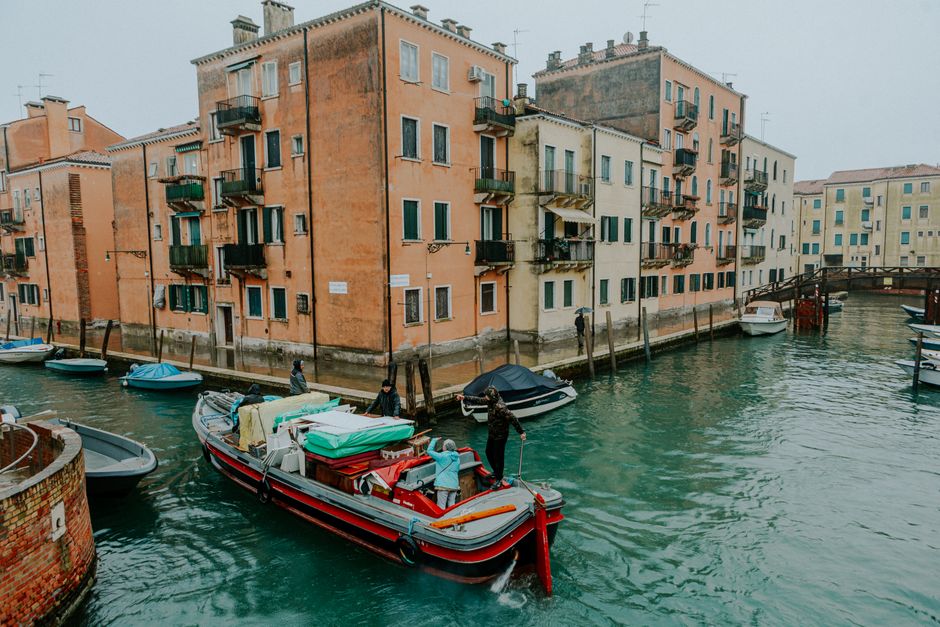
Venice feels most enjoyable during Carnival when you build a day with one major event and two small discoveries. Trying to chase six official performances usually produces stress because the city’s bridges, canals and one-way pedestrian flows make map distances deceptive. A point that looks ten minutes away can take thirty-five minutes when a bridge is packed.
For a quieter experience, choose a weekday outside the final three days. For the most impressive costumes, choose the final weekend and accept the crowds. My verdict is simple: people who dislike crowds should not skip Carnival; they should skip peak San Marco between late morning and early evening.
The best quiet-hour rule
Start before breakfast, take a long midday break, then return after dinner. The city changes character when day-trippers leave.
The best district rule
Use San Marco for one planned visit, not as your base for every activity. Cannaregio offers more breathing room, while Dorsoduro gives you a stronger mix of art, cafés and quieter waterfront walks.
What kind of Venice Carnival mask should you buy?
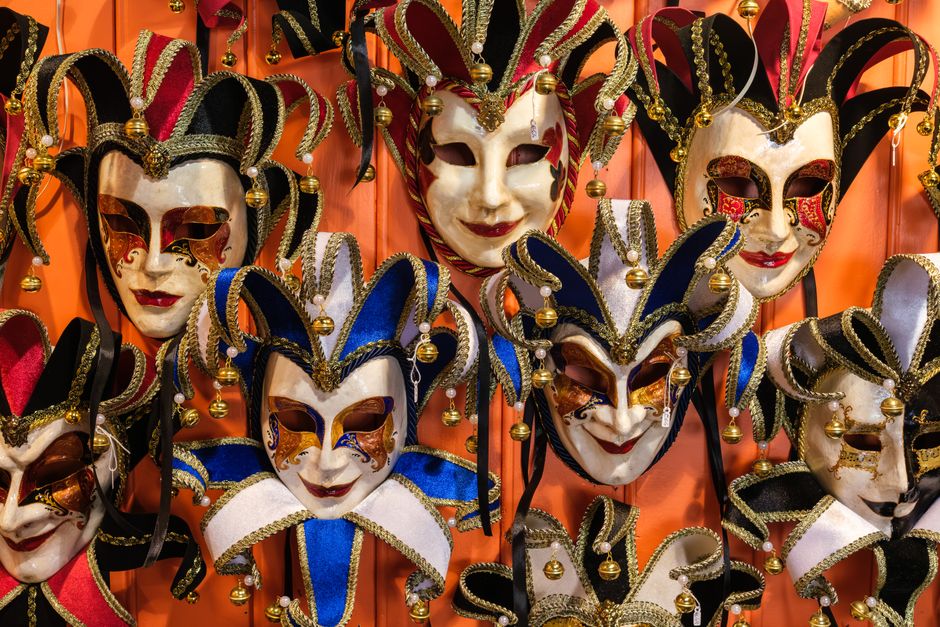
A mask should be a cultural object you enjoy wearing, not a disposable souvenir that collapses in your bag. The cheapest plastic masks near tourist bottlenecks often have thin elastic, rough edges and paint that rubs onto your face. I would rather buy a plain papier-mâché mask from a proper Venetian atelier than spend the same money on a glittery factory-made piece.
Choose the shape before the decoration
The Bauta is the classic full-face Venetian shape with a projecting chin and enough internal space to speak and eat. The Colombina covers part of the face and works better for visitors who want to see clearly. The Volto is more theatrical but can feel hot after an hour in a crowded square. For walking all day, I choose a light Colombina with a ribbon instead of a heavy mask with a stiff strap.
How to spot a handmade mask
Look at the back. A handmade papier-mâché mask usually shows small variations in the surface, a clean edge and a finish that does not look perfectly identical to ten masks beside it. Ask how the mask was made and try it on before paying. The workshop should let you check the eye openings, nose clearance and strap position. Ca’ Macana is one well-known Venetian atelier associated with traditional papier-mâché masks, while Mondonovo is another historic name often discussed by visitors interested in mask-making.
What should a mask cost?
Prices vary widely. A simple hand-finished mask may cost around €35 to €60, while detailed, signed or wearable costume pieces can reach €100 or much more. A mask priced at €10 is not automatically bad, but it is usually a decoration rather than a durable wearable object. My recommendation is to set a budget of €40 to €80 for a good personal souvenir and avoid buying a large feathered piece until you have checked how you will carry it home.
Do not buy a mask on your first ten minutes in Venice. Compare two or three workshops, ask about packaging and keep the receipt. The best purchase is the mask that fits comfortably and still looks good when viewed from close range.
How do you plan a Carnival day without getting trapped?
The practical solution is a route with fixed anchors. Venice rewards wandering, but Carnival crowds punish vague plans. Use the following sequence when attending a major event.
- Choose one headline event. Write down its location, start time and a second viewing area. Do not build an entire day around four separate performances unless you already know the city.
- Arrive 45 to 60 minutes early. For a water parade, add more time because the best railings and bridge approaches fill first. Keep your route on the same side of the Grand Canal until the event ends.
- Eat before the crowd peaks. Have lunch around 11:30 a.m. or after 2:00 p.m. Restaurants near San Marco charge more and fill faster during Carnival, so reserve a table or carry a small snack.
- Use the vaporetto as a deliberate tool. The ACTV 75-minute ticket was listed at €9.50 for 2026, while the Venezia Daily Pass was €25. A 48-hour pass was €35, a 72-hour pass €45 and a seven-day pass €65. Buy the ticket that matches your actual movement, not the one with the most days.
- Validate before boarding. A ticket that stays in your pocket is not enough. Tap or validate it at the machine, then keep it accessible for inspections.
- Carry a written meeting point. Phone signals, battery levels and crowded bridges all fail at the same time. Pick a named campo outside the densest zone instead of saying you will meet near the square.
- Leave through a side route. After a major show, wait twenty minutes or walk toward Cannaregio, Dorsoduro or Castello before trying to board transport. The first departure after an event is usually the most crowded.
For a short two-day visit, I prefer the ACTV 48-hour ticket only when I expect several vaporetto rides or an island trip. If I plan to walk most of the time, individual tickets cost less. The Venezia Unica system is useful for storing transport products, but it does not remove the need to check validation rules.
What should you wear and carry in Venice during Carnival?
Will February feel cold?
Yes. Venice can feel colder than the thermometer suggests because of wind off the lagoon, damp paving stones and long periods spent standing still. Wear a warm base layer, a water-resistant coat, wool socks and shoes with soles that grip polished stone. A costume cape may look dramatic, but it is not a coat.
Can you wear a full costume?
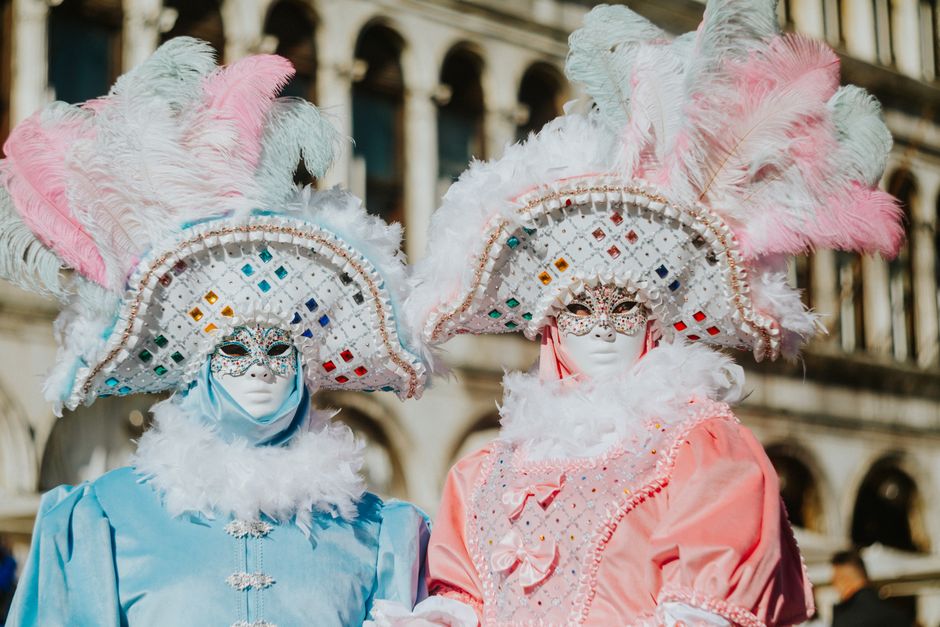
You can, but plan for walking. Large hats catch on crowds, long capes drag through puddles and rigid accessories become tiring after an hour. My preferred outfit is a dark coat, one strong mask, gloves and a small costume detail that can be removed before dinner. That gives you the Carnival look without turning every bridge into an obstacle.
What belongs in the day bag?
Carry a power bank, a small umbrella, tissues, hand sanitizer, a refillable water bottle and a paper copy of your hotel address. Put your mask in a rigid box or wrap it in a scarf. Keep wallets and phones in zipped inner pockets because crowded vaporetto platforms create easy opportunities for careless mistakes.
Comfort beats drama after the first hour. You will take better photographs when your feet are warm, your mask fits and you can still walk another three kilometres.
Should you visit Venice during Carnival or choose another season?
Carnival is the right choice for visitors who want costumes, public performance and a city that feels unusually theatrical. It is the wrong choice for anyone seeking empty canals, low hotel prices or a relaxed museum schedule. The festival changes the tradeoff: you gain spectacle and lose quiet.
| Travel period | Main advantage | Main drawback | Best for |
|---|---|---|---|
| Opening Carnival weekend | Fresh energy and water events | High demand and busy bridges | First-time festival visitors |
| Mid-Carnival weekday | Better balance of events and space | Fewer headline spectacles | Couples and photographers |
| Final Carnival weekend | Strongest costumes and major shows | Most expensive and crowded period | Dedicated Carnival fans |
| Late winter outside Carnival | Quieter streets and easier reservations | No official Carnival programme | Museum and food-focused trips |
| Spring or autumn | Comfortable walking and broader opening hours | No winter atmosphere | First Venice visit with flexible plans |
Do not book Carnival simply because photographs make it look magical. Book it when you actively want the crowds, costumes and unpredictable street energy. If those are the reason for your trip, choose a weekday in the middle of the festival, stay outside the San Marco bottleneck, buy one well-made mask and plan one major event per day.
For most first-time visitors, that is the best balance: the 2026-style Carnival experience without spending every hour in a queue.