 Michael Hardy
 I spent 18 months bouncing between 22 European countries on roughly $45–50 per day. That includes accommodation, food, transport, and the occasional museum ticket. The trick isn’t just being cheap — it’s knowing where your money actually goes and cutting the fat without cutting the fun.
Where Most Budget Travelers Waste $20 a Day Without Noticing
Three things eat your budget before you even see a landmark: solo transport, sit-down restaurant meals, and last-minute accommodation. I learned this the hard way in Paris, where I spent €18 on a single mediocre pasta plate and another €15 on a taxi because the metro was “too complicated.” That’s €33 gone in two hours.
Here’s what I swapped in:
- BlaBlaCar instead of trains. I paid €12 from Milan to Munich. The train would have been €89.
- Lidl and Carrefour bakery sections for breakfast and lunch. A baguette with cheese and an apple costs under €3.
- Hostelworld’s Genius membership for last-minute dorms. I never book more than 24 hours ahead — prices drop 30–40% same-day in off-season.
The real killer? Tourist restaurants within 200 meters of any major square. Walk three blocks away and the same pizza costs half. I saved €400 in Rome alone by eating in Testaccio instead of Trastevere.
The Exact Daily Budget That Worked for Me (With Real Numbers)
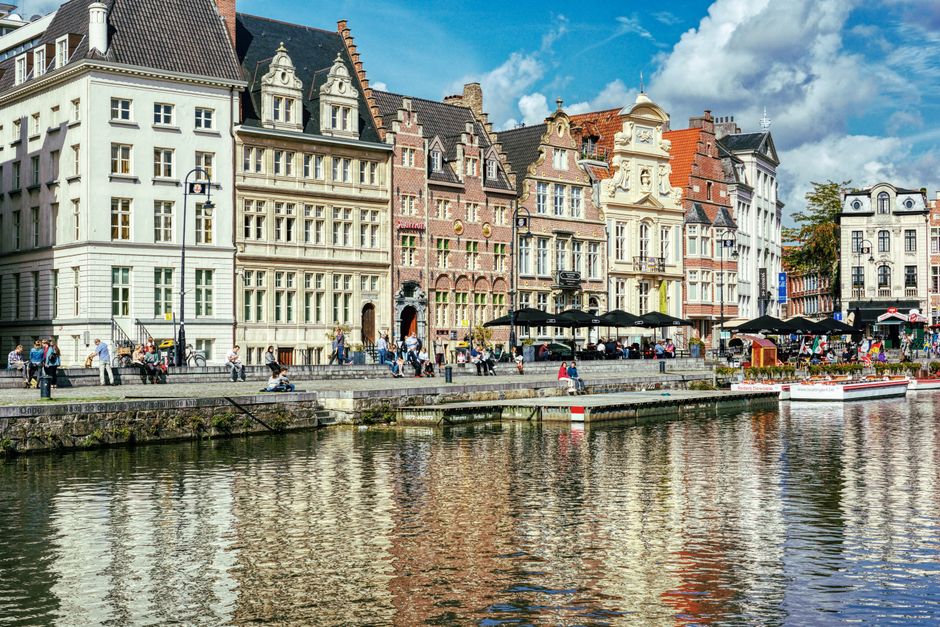
This isn’t theoretical. Here’s what I actually spent during a week in Poland, which is the easiest country for the $50 target, and a week in Portugal, which is harder but doable:
| Category | Poland (Krakow/Warsaw) | Portugal (Lisbon/Porto) |
|---|---|---|
| Accommodation (dorm bed) | $10–14 | $16–22 |
| Food (groceries + 1 street meal) | $8–12 | $12–16 |
| Local transport (bus/tram) | $2–4 | $4–6 |
| Attractions (free walking tour + 1 paid) | $5–8 | $8–12 |
| Intercity transport (FlixBus/BlaBlaCar) | $5–10 | $8–14 |
| Daily total | $30–48 | $48–70 |
Poland is a cheat code. Portugal requires discipline. In Lisbon, I survived on Too Good To Go surprise bags from bakeries — €3.99 for a bag of pastéis de nata and sandwiches that would’ve cost €18. That app alone saved me about $200 over two weeks.
Why FlixBus and BlaBlaCar Beat Trains (and When They Don’t)
I’m a train fan. I love the romance of rail. But on $50/day, romance doesn’t pay the bill. FlixBus runs routes across 40 European countries, and I’ve taken buses for as little as €4.99 (Berlin to Prague). The seats recline, there’s WiFi, and you can charge your phone. It’s not glamorous. It works.
BlaBlaCar is even better for medium distances. I’ve ridden with a retired French couple who bought me coffee, a Hungarian student who played great music, and a German truck driver who told me the best rest stops. The cost is typically 60–70% less than the train. You book through the app, pay in advance, and meet at a designated point.
When do you take the train anyway? When the bus would take more than 8 hours and the train is under 4. I paid €29 for a high-speed from Madrid to Barcelona on Ouigo (Spain’s budget rail). That was worth it. But for the same route, a FlixBus was €12. Pick your battles.
How to spot the cheap tickets
FlixBus releases tickets 90 days in advance. I set a calendar reminder for exactly 90 days before my trip and bought the €4.99 tickets before they sold out. For BlaBlaCar, I search 2–3 days ahead — drivers post their trips then, and prices are fixed.
Free Walking Tours Are the Best $0 You’ll Spend (But Tip Well)
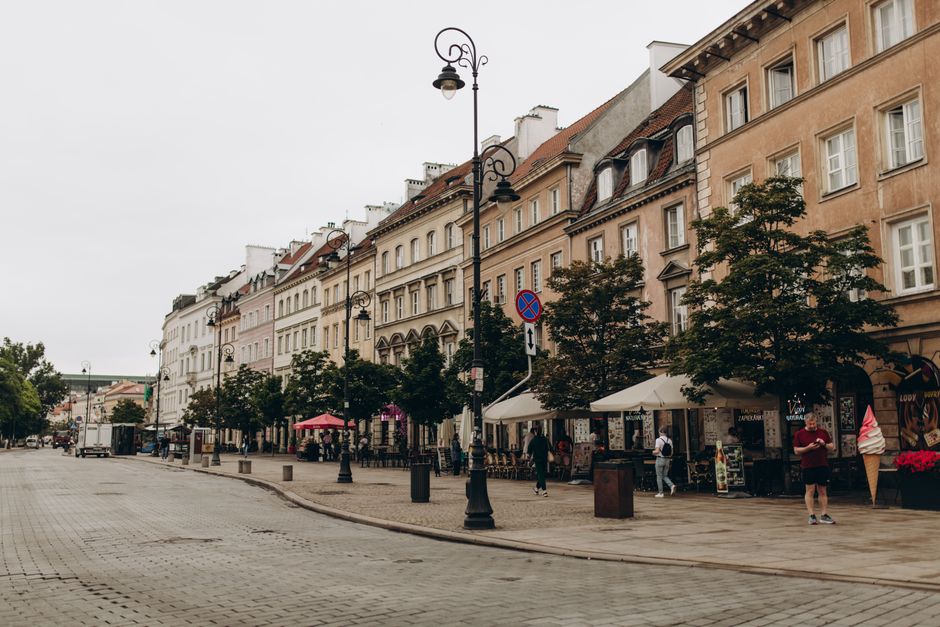
I’ve taken over 60 free walking tours across Europe. They’re not all equal. The best ones — in Krakow, Budapest, Berlin, and Prague — are run by local guides who actually love their city. The worst ones — in Barcelona and Amsterdam — feel like a sales pitch for overpriced tapas bars.
Here’s the rule: tip €5–10 if the guide was good. That’s still cheaper than any paid tour. And you get the local perspective, not the Wikipedia summary.
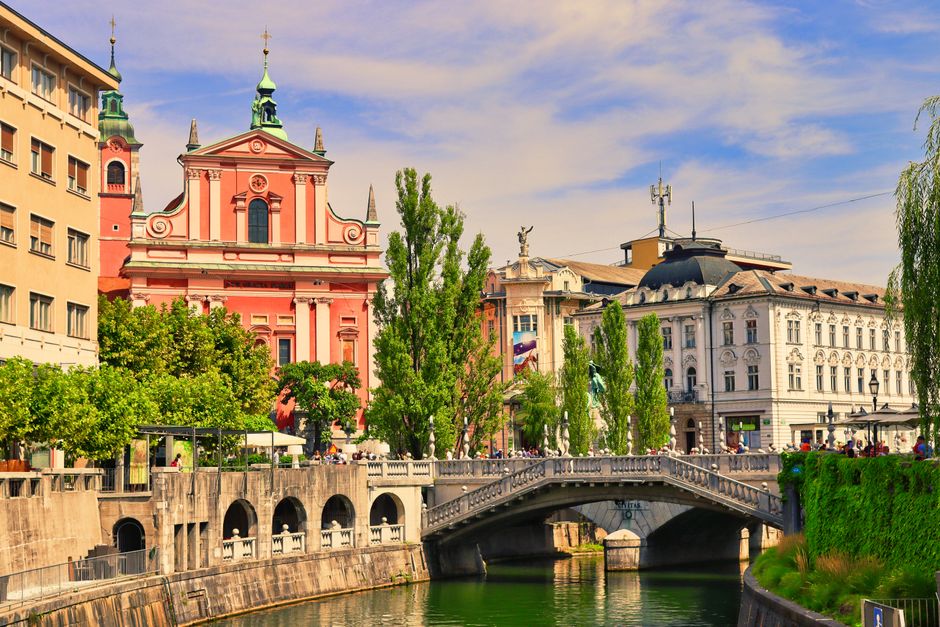
I also found that university cities have better free tours. Students studying history or tourism lead them for experience, not money. In Ljubljana, Slovenia, my guide was a PhD candidate in medieval architecture. She pointed out details I’d never have noticed. Cost: €0. Tip: €8. Value: priceless.
When $50 a Day Just Won’t Work (and What to Do Instead)
I’m going to be blunt: you cannot do $50/day in Switzerland, Norway, or Iceland. A dorm bed in Zurich costs $45. A sandwich costs $15. You’d be eating instant noodles in a park every day, and that’s not travel — that’s survival.
So what do you do? Skip those countries until your budget is higher, or limit them to 2–3 days. I spent 48 hours in Switzerland and spent $180. That’s $90/day. I knew going in it would be expensive, so I planned for it by staying in cheaper countries longer.
Another failure mode: peak season in tourist towns. August in Dubrovnik? Forget it. Hostels triple their prices. I paid $45 for a dorm bed in Split in July. Same bed in October? $14. If your dates are flexible, travel in shoulder season (April–May or September–October).
And here’s the hard truth: alcohol and nightlife will destroy your budget. One round of drinks in Copenhagen costs $25. I met a guy who spent $80 on a single night out in Berlin and had to skip breakfast for three days to recover. If you want to party, budget $20 extra that day and cut something else — or stick to hostel common rooms where a bottle of wine costs €3.
The $50/day budget isn’t a punishment. It’s a framework. Once you know where the money goes, you can decide what’s worth splurging on. For me, it was a good meal every third day and a proper museum ticket. For you, it might be something else. But the math works if you’re honest about it.