 Michael Hardy
You land in Lisbon, spend two days fighting crowds on Rua Augusta, eat an overpriced pastel de nata, and leave thinking you’ve seen Portugal. You haven’t. You’ve seen the lobby. The actual country starts 90 minutes outside the capital, where bus schedules are suggestions, lunch takes three hours, and a €12 bottle of wine beats most $40 bottles back home.
The problem with most Portugal guides is they list the same five places: Lisbon, Porto, Sintra, Lagos, Faro. Those are fine. They’re also where every other tourist goes. If you want the real answer to “best places to visit Portugal,” you need to know where Portuguese people actually spend their weekends and summers. This guide covers that, with specific towns, specific routes, and what to skip.
The Alentejo: Portugal’s Most Underrated Region
Most travelers have never heard of Alentejo. That’s the point. This region covers a third of Portugal’s landmass but holds less than 7% of its population. You drive for an hour and pass more cork trees than cars. The food is rustic, the wine is absurdly cheap, and the pace makes Lisbon feel like New York.
Évora and the Chapel of Bones
Évora is the region’s anchor city. A UNESCO World Heritage site with a Roman temple, a 13th-century cathedral, and one of the most unsettling attractions in Europe: the Capela dos Ossos, a chapel lined with the bones of roughly 5,000 monks. The inscription above the door reads “We bones that are here await yours.” It’s not a theme park. It’s a genuine medieval site that makes you think about mortality while a French tour group takes selfies.
Stay at the Pousada Convento de Évora, a converted monastery with rooms from €120. Eat at Taberna Típica Quarta-Feira, where the pork cheeks with migas cost around €14 and the owner will tell you his life story whether you asked or not.
Monsaraz: A Hilltop Village That Time Forgot
Forty minutes east of Évora sits Monsaraz, a walled village of white houses and schist streets perched above the Alqueva reservoir. There are no chain hotels. No souvenir shops selling magnets. Just a few guesthouses, two restaurants, and one of the best sunset views in southern Europe. The village has maybe 700 residents. You can walk the entire perimeter in 20 minutes. What you’re buying here is silence and a view of Spain across the water.
Book a room at Casa Pinto, a restored stone house with three rooms from €85. The owner, Dona Rosa, leaves a bottle of local wine in your room. That’s not marketing. That’s just how it works here.
Comporta: The Anti-Algarve Beach Town
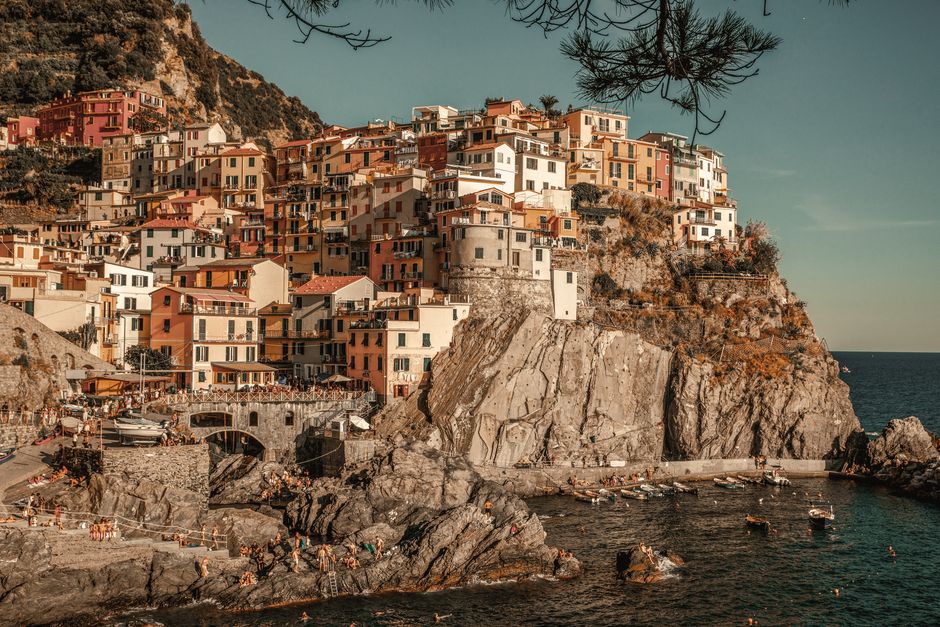
If you want beaches but can’t stand the concrete high-rises of Albufeira, go to Comporta. This stretch of coast an hour south of Lisbon has rice paddies on one side and Atlantic dunes on the other. No high-rise buildings. No nightclubs. Just wooden walkways, white sand, and a few beach restaurants serving grilled fish on plastic tables.
This is where wealthy Portuguese families have summer homes, but it doesn’t feel exclusive. It feels quiet. The beach at Praia do Pego stretches for kilometers. You can walk for an hour and pass fewer than 50 people, even in August.
Eat at Restaurante Sal, where the arroz de marisco (seafood rice) feeds two people for €38 and comes in a pot the size of a small bathtub. Sleep at Quinta da Comporta, a wellness retreat in a former rice mill with rooms from €180. Yes, that’s more expensive than the Alentejo average. No, it’s not remotely comparable to Algarve resort pricing for what you get.
Douro Valley: Port Wine Without the Porto Day-Trip Crowds
Here’s the mistake everyone makes: they go to Porto, book a day trip to the Douro Valley, spend four hours on a bus, visit one crowded winery, and head back. That’s not the Douro. That’s a postcard with traffic.
The Douro Valley is a region, not a stop. It’s the oldest demarcated wine region in the world, terraced vineyards climbing from the river at angles that make you wonder how anyone harvests grapes without falling in. The answer: they use small teams, manual picking, and a lot of swearing.
Pinhão: The Valley’s Real Base
Pinhão is a tiny town on the river with a train station covered in azulejo tiles depicting the wine harvest. Stay here, not in Porto. The Vintage House Hotel sits right on the river with rooms from €140. From Pinhão, you can walk to Quinta do Bomfim, the Symington family estate, for a tasting that includes vintage ports most people never see outside auction houses. The basic tasting costs €25. The vintage flight costs €45 and includes a 2017 that retails for over €100 a bottle.
For something different, book a tasting at Quinta do Crasto, a 400-year-old estate 20 minutes up a winding road. Their Reserva Vinhas Velhas is one of the best red wines in Portugal, and the tasting room overlooks a bend in the river that looks fake until you see it in person.
Azores: The Hawaii of the Atlantic (Without the Crowds)

Nine volcanic islands in the middle of the Atlantic, two hours by plane from Lisbon. The Azores get compared to Hawaii, which is both accurate and misleading. Accurate because the landscapes are volcanic, green, and dramatic. Misleading because there are no resorts, no luaus, and no crowds. The largest island, São Miguel, has about 140,000 residents. Oahu has a million.
What you get instead: crater lakes, hot springs, whale watching, and hiking trails that are empty even in peak season. The island of São Miguel is small enough to drive across in an hour and a half, but you need at least four days to do it justice.
Sete Cidades and Furnas: Two Different Worlds
Sete Cidades is the postcard view: a massive volcanic crater with two lakes, one blue and one green, separated by a narrow bridge. The viewpoint at Vista do Rei is free and accessible by car. Hike down to the village if you want the full experience. The trail takes about two hours each way.
Furnas is different. This valley steams. Geothermal vents bubble through the ground, and locals cook cozido—a stew of meat, vegetables, and sausage—by burying pots in the volcanic earth for six hours. Eat it at Tony’s Restaurant, where the cozido costs €15 and tastes like the earth itself. It’s not for everyone, but it’s the most authentic meal you’ll have in the Azores.
Stay at Octant Furnas, a thermal hotel with natural hot spring pools from €160. Or rent a car and base yourself in Ponta Delgada at the Azor Hotel, which costs around €110 and puts you near the airport, restaurants, and the marina for whale watching tours.
When NOT to Visit Portugal
This section is short because the answer is short. Don’t come in August. The Algarve is packed, Lisbon is hot and crowded, and prices spike 40-60% across the country. If you can only travel in August, go to the Azores, where the ocean keeps temperatures moderate and the crowds never materialize.
Also skip the “Portugal in 7 days” itinerary that includes Lisbon, Porto, the Algarve, and Sintra. You’ll spend half your trip in a car or on a train. Pick one region and stay there. Portugal rewards slow travel more than almost any country in Europe. The food, the wine, the pace—none of it works if you’re rushing to the next checkbox.
What to Actually Eat and Drink
Portuguese food is not Mediterranean diet food in the way most people imagine. It’s heavier, more rustic, and built around pork, bread, olive oil, and wine. Here’s what to order:
- Porco preto: Black Iberian pork, usually grilled or in a stew. The acorn-fed version from Alentejo costs around €18-25 per plate and is worth every cent.
- Bacalhau à brás: Salt cod shredded with eggs, onions, and fried potatoes. The national dish, available everywhere, best in small family-run tascas.
- Arroz de marisco: Seafood rice, not paella. It’s soupier, richer, and often better. Order it in Comporta or anywhere on the coast.
- Queijo de São Jorge: A sharp, aged cow’s milk cheese from the Azores. It has a DOP designation and costs about €8 for a wedge that would be €25 in the US.
- Vinho verde: A young, slightly effervescent white wine from the Minho region. Costs €4-8 a bottle. Drink it with seafood.
Skip the tourist restaurants with picture menus and English translations in six languages. The rule is simple: if the menu has photos, keep walking.
The Verdict: Where to Go for What
| If you want… | Go to… | Stay at… | Budget per day |
|---|---|---|---|
| Beaches without crowds | Comporta | Quinta da Comporta | €150-250 |
| Wine and terraced valleys | Douro Valley (Pinhão) | Vintage House Hotel | €120-200 |
| Volcanic landscapes and hot springs | São Miguel, Azores | Octant Furnas | €100-180 |
| Medieval towns and rustic food | Alentejo (Évora, Monsaraz) | Pousada Convento de Évora | €80-150 |
| Big-city energy and history | Lisbon (but only 2-3 days) | Anywhere in Príncipe Real | €100-200 |
If you have one week: split it between Lisbon (2 days) and the Alentejo (5 days). Rent a car. Drive east on the A6, stop in Évora, then continue to Monsaraz for two nights. End in Comporta for beach time before flying out of Lisbon.
If you have two weeks: add the Douro Valley. Fly into Porto, spend two days there, take the train to Pinhão (2.5 hours, €14), spend three days in the valley, then drive south through the Alentejo to Comporta. This route avoids the Algarve entirely and shows you the Portugal that most tourists never see.
The best places to visit in Portugal are not secrets. They’re just not on the standard itinerary. Go to Évora instead of another day in Lisbon. Go to Comporta instead of the Algarve. Go to Pinhão instead of a day trip from Porto. The country rewards you for slowing down. The only mistake is trying to see it all at once.