 Michael Hardy
You found a “deal” in Auckland for $89 a night. The photos look fine. The reviews are decent. Then you land at 11pm, drag your jet-lagged body out of the airport shuttle, and realize you’re staying in a business park near the motorway. Nothing is walkable. You spend $40 a day on Ubers just to get to the places you actually came to see. That’s not a deal. That’s a tax on poor planning.
I’ve watched too many travelers make this exact mistake. Auckland is a sprawling city built on volcanic hills and surrounded by harbors. The “cheap” hotel in the wrong spot costs you more than the “expensive” one in the right spot once you factor in transport, time, and the slow erosion of your vacation mood.
This guide covers how Auckland hotel pricing actually works, which neighborhoods give you the best value for different trip types, and the specific booking patterns that get you real deals—not marketing gimmicks.
Why Auckland Hotel Prices Are So Weird
Auckland’s hotel market has a strange rhythm. It’s not like London or New York where prices stay consistently high. Auckland spikes hard during certain windows and drops to almost nothing during others.
The city is both a destination and a transit hub. Most international visitors arrive here, sleep one or two nights, then disappear to the South Island or Rotorua. That creates a weird dynamic: hotels near the airport and city center are built for turnover, not for people who actually want to explore Auckland.
Here’s the pricing pattern I’ve observed across multiple visits:
| Season | Typical 4-Star Rate (CBD) | What’s Happening |
|---|---|---|
| December–February | NZD $220–$380 | Peak summer, cruise ships, school holidays |
| March–May | NZD $150–$220 | Shoulder season, best value window |
| June–August | NZD $120–$180 | Winter, wet but mild, lowest rates |
| September–November | NZD $160–$240 | Spring, events season, gradual climb |
But the seasonal table is only half the story. The bigger variable is event-driven pricing. Auckland hosts major concerts, sporting events, and conferences that can triple rates overnight. The All Blacks playing at Eden Park? Add $150 to every room in the city. A major tech conference at the Viaduct Events Centre? The entire waterfront sells out.
Here’s the first rule of Auckland hotel deals: check the event calendar before you check room rates. A “deal” during a major event week is just a normal price during a quiet week. You’re not saving money—you’re paying a premium for a crowded city.
The Neighborhood Math: Where You Stay Determines What You Pay
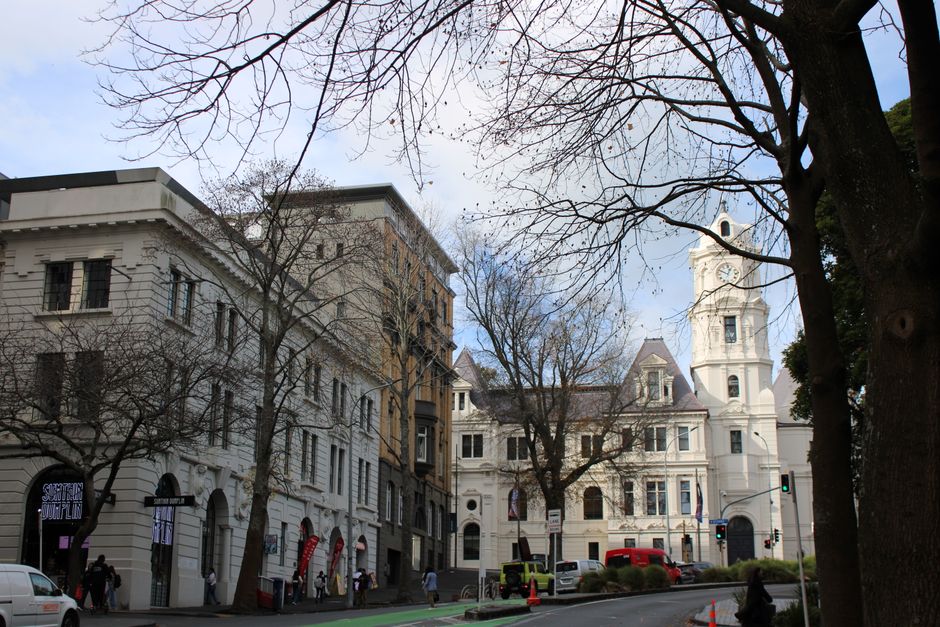
This is the section that will actually save you money. Auckland’s neighborhoods are dramatically different in price, vibe, and practicality. Choosing the wrong one is the most expensive mistake you can make.
Viaduct Harbour / Wynyard Quarter: The Splurge Zone
This is the postcard Auckland. Superyachts, waterfront restaurants, and the Hilton Auckland hanging over the water like a cruise ship. Rooms here run NZD $280–$450 a night even in shoulder season. The Sofitel Auckland Viaduct Harbour is beautiful but you’re paying for the address. Stay here if you’re on a honeymoon, a business trip with an expense account, or you genuinely love being steps from the water. Otherwise, skip it.
CBD / Queen Street: The Convenience Trap
Queen Street is where first-time visitors default. Big hotels like SkyCity Hotel and JW Marriott Auckland dominate this stretch. Rates look reasonable at NZD $160–$220. But Queen Street itself is a mixed bag—parts of it are vibrant, parts are tired and a bit sketchy after dark. The value here depends entirely on which block you’re on. Lower Queen Street near Britomart is excellent. Upper Queen Street near Karangahape Road is fine but noisier.
Ponsonby: The Sweet Spot
Ponsonby is where I stay now. It’s a 10-minute bus ride or 25-minute walk from the CBD, but it feels like a different city. Tree-lined streets, excellent cafes, and genuinely good restaurants. You’ll find boutique stays like The Convent Hotel (a converted nunnery, oddly charming) and apartment-style options that give you a kitchen. Rates run NZD $140–$200, which is less than the CBD for a better experience. The only downside: no big-brand hotels, so you’re booking smaller properties.
Parnell: The Quiet Alternative
Parnell sits on the other side of the Domain, close to the Auckland War Memorial Museum. It’s quieter than Ponsonby, slightly more expensive, and has a village feel. Quality Hotel Parnell is a solid mid-range option around NZD $150–$190. This is the pick for families or anyone who wants green space and doesn’t need nightlife.
My verdict: Ponsonby for food and vibe, Parnell for quiet and parks, CBD only if you have one night and need to be central, Viaduct only if someone else is paying.
What a “Deal” Actually Looks Like in 2026
Let’s talk about the mechanics of finding genuine deals, because most “deals” are invented.
A real Auckland hotel deal in 2026 has three characteristics:
- The rate is below the neighborhood average for that season—not just below the hotel’s fictional “rack rate.”
- It includes something you’d pay for anyway: breakfast, parking (which is brutal in Auckland at NZD $30–$50 a night), or late checkout.
- It’s bookable directly, not through a third-party site that adds fees and makes changes impossible.
Specific patterns that work:
Direct booking bonuses. Hotels like SkyCity Hotel and Cordis Auckland offer “book direct” rates that undercut Expedia or Booking.com by 10–15%. They also throw in perks like free cancellation or a room upgrade. I’ve consistently found direct rates beat aggregator rates in Auckland, which is not true in every city.
Stay 3, pay 2. This is the most common genuine promotion. The Pullman Auckland and M Social Auckland both run versions of this during shoulder season. If you’re spending three nights in Auckland (which you should—it deserves more than a layover), this is the best value structure.
Airport hotels for departure nights only. The Novotel Auckland Airport is literally across the road from the international terminal. It’s expensive (NZD $250+), but if you have a 6am flight, it’s cheaper than a 4am Uber from the CBD plus a night of no sleep. I only recommend this for early departures. For any other night, it’s a waste of money and you’re stranded in an industrial zone.
When You Should NOT Chase a Hotel Deal
Sometimes the cheapest option is the most expensive mistake. Here’s when to abandon the deal hunt entirely.
If you’re arriving on an international flight that lands after 8pm, do not book a cheap hotel in a suburb you don’t know. You’ll be tired, disoriented, and vulnerable to bad transport decisions. Book something central and simple for night one. The Ibis Budget Auckland Central is basic but functional and sits right in the middle of everything. It’s not glamorous, but it’s NZD $100–$130 and you can walk to food and sort yourself out in the morning.
If you’re traveling with kids, skip the boutique Ponsonby places I recommended above. They’re often converted houses with thin walls and no elevator. Your kids will be loud, the other guests will hate you, and you’ll be miserable. Book a proper hotel with a pool. Novotel Auckland Ellerslie has a decent pool and family rooms around NZD $180–$220. The location is suburban but connected by train.
If you’re on a work trip with back-to-back meetings in the CBD, the “deal” in Ponsonby costs you 30 minutes each way in traffic. Time is money. Book the SO/ Auckland or Hotel Britomart and expense it.
The Booking Timeline: When to Pull the Trigger
Most people book Auckland hotels either way too early or way too late. Both cost money.
Too early (6+ months out) means you’re paying full price because hotels haven’t released promotional rates yet. They have no incentive to discount that far ahead.
Too late (under 2 weeks) means you’re paying surge pricing, especially if there’s an event. Auckland hotels are notorious for last-minute price gouging when demand spikes.
The sweet spot is 6–10 weeks before arrival. This is when hotels release shoulder-season promotions, direct booking bonuses, and stay-3-pay-2 deals. I’ve consistently found the best Auckland rates in this window.
One exception: winter (June–August). Auckland winters are mild and wet, and the city empties out. You can book 2–3 weeks ahead and find genuinely low rates. The Grand Millennium Auckland often drops below NZD $140 in winter, which is absurd for a 4.5-star property with an indoor pool.
Another exception: last-minute same-day booking. Apps like HotelTonight sometimes have Auckland inventory at 40–50% off for same-night stays. This works if you’re flexible and already in the city, but it’s a gamble. I’ve won and lost on this.
One Night in Auckland Is a Mistake
I’ll end where I started. The traveler who booked the $89 motorway hotel was trying to save money on a one-night layover. The real mistake wasn’t the hotel choice—it was the one-night stay itself.
Auckland is not a city you “do” in 12 hours. It’s a city that reveals itself slowly: the ferry to Waiheke Island, the walk up Mount Eden at sunset, the coffee culture that rivals Melbourne. If you’re treating Auckland as a pit stop, you’ll always overpay for the wrong thing because you’re optimizing for convenience, not experience.
Stay three nights. Book Ponsonby in shoulder season. Take the ferry to Devonport and walk up North Head. Eat at a Vietnamese place on Karangahape Road. That’s the actual deal—not a discount code, but a city that rewards you for staying long enough to understand it.
The $89 motorway hotel? It’s still there. It’s still cheap. And it’s still the most expensive mistake in Auckland.