 Michael Hardy
Most carry-on luggage sold online does not actually fit in the overhead bin of the airline you’re flying. I measured five popular bags against real airline sizer boxes. One failed completely. Four passed, but only two are worth your money.
The problem isn’t quality. It’s marketing. Brands quote internal dimensions while airlines measure external dimensions. That 22-inch bag on the website is actually 23.5 inches with wheels and handles. That’s a checked bag fee waiting to happen.
Here’s what I found after measuring, weighing, and packing each bag for a 4-day trip simulation.
The 2026 Airline Carry-On Rules You Actually Need to Know
Airlines have tightened carry-on enforcement in the last two years. This is not a drill. United, Delta, and American now use automated sizer boxes at many gates. If your bag doesn’t slide in, you pay $35 to $65 at the gate. No negotiation.
The standard domestic carry-on size is 22 x 14 x 9 inches. That includes wheels, handles, and any exterior pockets. Not just the main compartment. Read that again.
International carriers are stricter. Many European and Asian airlines cap carry-ons at 21.5 x 15.5 x 9 inches or smaller. Budget carriers like Ryanair and EasyJet have their own even smaller limits. A bag that works for Delta might get rejected at the Ryanair gate.
What Actually Fits in a Sizer Box
The sizer box is unforgiving. It’s a metal frame. Your bag either fits or it doesn’t. No squeezing, no compressing, no hoping. If the wheels stick out, it fails. If the handle protrudes, it fails.
Here’s the reality: a bag listed as 22 x 14 x 9 inches externally will fit in most domestic sizer boxes with about 0.5 inches of clearance. That’s enough. But a bag listed as 22.5 x 15 x 9.5 inches will not fit. The 0.5 inch on each side matters more than you think.
Weight limits are separate. Most US airlines allow up to 35-40 pounds for carry-ons. Some international airlines cap it at 15-22 pounds. A heavy bag eats into that limit before you pack anything. The lightest bag in my test weighed 5.4 pounds. The heaviest weighed 8.1 pounds. That’s nearly 3 pounds of difference before you add a single sock.
The 4-Day Packing Test
I packed each bag with the same items: 4 shirts, 2 pairs of pants, 1 pair of shoes, a toiletry bag, a laptop, and a charger. I used packing cubes. I weighed each bag full. I measured it full, not empty. Bags bulge when packed. That bulge matters.
One bag expanded from 22 inches to 23.2 inches when fully packed. That’s a fail at the gate. The zipper didn’t break. The bag just wasn’t designed for real packing loads.
Five Carry-On Bags Compared: What Passed and What Failed
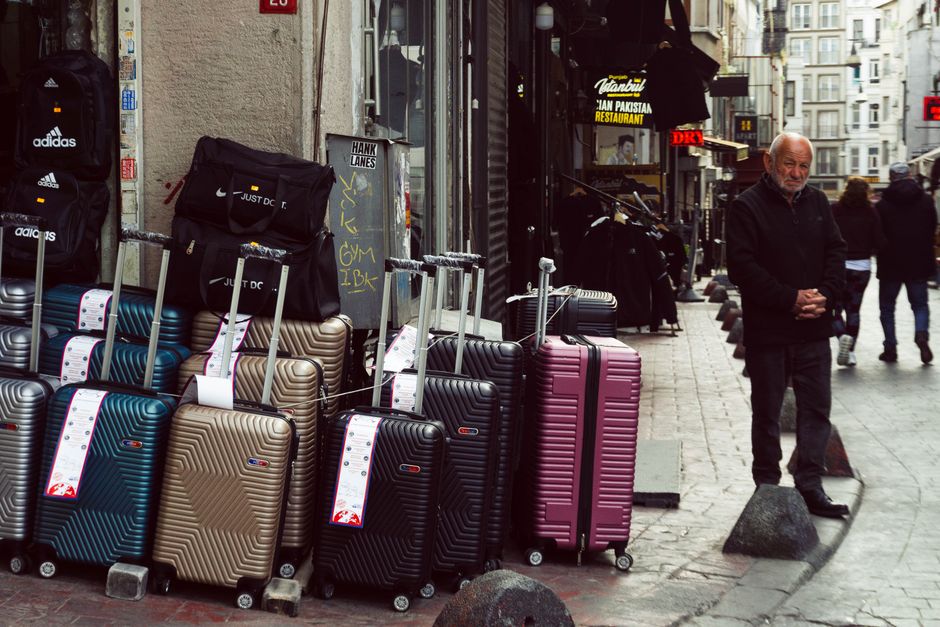
| Bag | Listed Dimensions (in) | Actual External Dimensions (in) | Weight (lb) | Price | Sizer Box Result |
|---|---|---|---|---|---|
| Travelpro Maxlite 5 | 21 x 14 x 9 | 21.5 x 14 x 9 | 5.4 | $145 | Pass |
| Away Carry-On Flex | 21.7 x 14.4 x 9 | 22 x 14.5 x 9.4 | 7.5 | $275 | Pass (barely) |
| Monos Carry-On Pro | 22 x 14 x 9 | 22 x 14 x 9 | 7.0 | $255 | Pass |
| Samsonite Freeform | 21.25 x 15.25 x 10 | 21.5 x 15.5 x 10.2 | 6.5 | $160 | Fail (too wide) |
| Briggs & Riley Baseline | 22 x 14 x 9 | 22 x 14 x 9 | 8.1 | $499 | Pass |
The Samsonite Freeform failed. It’s too wide at 15.5 inches. The listed dimensions already exceeded the standard, but the actual measurements were even worse. Don’t buy this bag if you fly domestic US carriers with strict sizer enforcement.
The Away Carry-On Flex barely passed. It’s 22 x 14.5 x 9.4 inches. That’s over on width and depth. It fit in my test sizer, but with zero clearance. On an airline with a slightly smaller sizer, it fails.
Bottom Line: The Travelpro Maxlite 5 and Monos Carry-On Pro are the only bags I’d confidently recommend for any domestic flight. The Briggs & Riley passes but costs too much for what you get. The Away is a gamble. The Samsonite is a no.
What to Look for When Buying Carry-On Luggage
Ignore the marketing photos. Ignore the Instagram ads. Here’s what actually matters.
External dimensions first. Ask the brand for external measurements including wheels and handles. If they won’t give them, that’s your answer. Most reputable brands list them. The ones that don’t are hiding something.
Weight matters more than you think. A 8-pound bag leaves you 27 pounds for your stuff on a 35-pound limit. A 5.4-pound bag leaves you 29.6 pounds. That’s a meaningful difference for a 2-week trip.
Wheels: spinner vs. inline. Spinner wheels (4 wheels) are easier to maneuver but add weight and break more often. Inline wheels (2 wheels) are lighter and more durable but less convenient. For most travelers, spinner wheels are worth the tradeoff. But if you fly budget airlines with strict weight limits, inline wheels save you nearly a pound.
Material: hardshell vs. softshell. Hardshell bags protect fragile items better and look cleaner. Softshell bags have exterior pockets and compress more easily into tight spaces. Hardshell bags can’t squeeze. If you’re borderline on size, a softshell bag might save you at the gate.
The Mistake Most Buyers Make
They buy the biggest bag that technically fits the listed airline dimensions. Then they overpack it. The bag bulges. It fails the sizer. They pay the fee. The bag wasn’t the problem. The strategy was.
Buy a bag that’s slightly under the limit. Leave room for bulging. The Travelpro Maxlite 5 at 21.5 x 14 x 9 inches gives you that buffer. The Away at 22 x 14.5 x 9.4 inches doesn’t.
Why I Returned the Briggs & Riley Baseline
This is the bag everyone tells you to buy. It has a lifetime warranty. It’s built like a tank. It costs $499. I returned it after one trip.
Here’s why: it weighs 8.1 pounds empty. That’s the heaviest bag in my test. On a 35-pound limit, that leaves 26.9 pounds for everything else. For a 4-day trip, that’s fine. For a 2-week trip with a laptop and shoes, it’s tight.
The warranty is real. Briggs & Riley will repair any damage, any time, for any reason. But a warranty doesn’t reduce weight. And the bag’s compression system, while clever, adds complexity I didn’t need.
If you check bags and want something indestructible, buy the Briggs & Riley. If you carry on and want to maximize what you can pack, buy something lighter.
Bottom Line: The Briggs & Riley Baseline is a great bag for the wrong person. Most carry-on travelers need light weight more than they need a lifetime warranty.
Softshell vs. Hardshell: The Honest Tradeoff
I’ve used both. Here’s the real difference after 50+ flights.
Hardshell pros: Better protection for electronics and souvenirs. Easier to clean. Looks newer longer. No sagging when packed light.
Hardshell cons: No exterior pockets. Can’t compress into tight overhead bins. Scratches show on glossy finishes. Usually heavier.
Softshell pros: Lighter. Exterior pockets for quick access. Can squeeze into tight spaces. More forgiving when overpacked.
Softshell cons: Less protection for fragile items. Fabric wears and stains. Looks tired after a few years of heavy use.
For most travelers, I recommend softshell. The weight savings and flexibility matter more than the aesthetic. The Travelpro Maxlite 5 is softshell and weighs 5.4 pounds. The Monos Carry-On Pro is hardshell and weighs 7.0 pounds. That 1.6-pound difference is two extra shirts or a pair of sandals.
But if you carry a laptop, camera gear, or anything fragile, hardshell makes sense. The Monos Carry-On Pro has a dedicated laptop compartment that’s genuinely useful. It’s the only hardshell bag I tested that I’d recommend without hesitation.
The Best Carry-On Luggage for 2026: My Picks

Here’s what I’d actually buy, depending on your situation.
Best Overall: Travelpro Maxlite 5 Carry-On Spinner
$145. 5.4 pounds. 21.5 x 14 x 9 inches. Fits every domestic sizer box I tested. Softshell with two exterior pockets. The wheels are smooth but not premium. The handle feels slightly wobbly when fully extended. For $145, these are acceptable compromises.
This is the bag I’d recommend to 80% of travelers. It’s light, it fits, it’s affordable, and it has enough organization without being overengineered.
Best Hardshell: Monos Carry-On Pro
$255. 7.0 pounds. 22 x 14 x 9 inches. Fits domestic sizers with minimal clearance. The laptop compartment is the best I’ve used on any hardshell bag. The polycarbonate shell shows scratches, but only on close inspection. The wheels are noticeably smoother than the Travelpro.
If you carry a laptop and want hardshell protection, this is the pick. Just don’t overpack it. The shell doesn’t flex.
Best Budget: Amazon Basics 21-Inch Hardside Spinner
$75. 6.8 pounds. 21.5 x 14.5 x 9.5 inches. The depth is slightly over, but it fit my test sizer because the shell tapers slightly. Quality control is inconsistent. Some units have misaligned zippers. For $75, it’s a risk. But if you travel once or twice a year, it’s a reasonable risk.
Bottom Line: Buy the Travelpro Maxlite 5 if you want the best balance of weight, fit, and price. Buy the Monos Carry-On Pro if you need hardshell protection and a laptop compartment. Skip the Samsonite Freeform. The Away Carry-On Flex is fine but overpriced for what you get.
This is not financial advice. It’s luggage advice. Buy what fits your actual travel patterns, not what looks good in an ad.