 Michael Hardy
 Most Kyoto itineraries read like a checklist of places you’ll stand in line at. Kinkaku-ji at noon. Fushimi Inari at 10am. Arashiyama Bamboo Grove on a Saturday. That’s not travel. That’s queueing with a camera. I’ve been to Kyoto four times, most recently in March 2026, and the difference between a miserable trip and a transcendent one comes down to one thing: timing. Not luck. Timing. This 4-day itinerary is built around being in the right place when the tour buses aren’t.
I’m not going to tell you to skip the famous sites. That would be absurd. Kiyomizu-dera is famous for a reason. But I will tell you exactly when to go, what to skip, and which lesser-known spots deliver the same emotional weight without the selfie sticks.
Day 1: Higashiyama Without the Human Traffic Jam
Here’s the mistake everyone makes: they start at Kiyomizu-dera at 9am, walk north through Sannenzaka and Ninenzaka, and end up shuffling shoulder-to-shoulder through what should be the most atmospheric streets in Japan. Reverse it. Start at the north end, at Shoren-in Temple (¥800), around 7:30am. You’ll be one of maybe five people there. The garden is so quiet you can hear the koi move.
From Shoren-in, walk south through Maruyama Park, past Yasaka Shrine (still empty at 8:30am), and down Ninenzaka and Sannenzaka toward Kiyomizu-dera. By the time you reach Kiyomizu around 9:30am, you’re walking against the flow of the tour groups, not with them. The wooden veranda at Kiyomizu (¥500) is still crowded, but the approach felt like yours.
Where to Eat in Higashiyama Without Getting Ripped Off
Skip the restaurants with English menus and plastic food displays on Sannenzaka. Walk five minutes east to Kasaichi, a soba shop that’s been run by the same family since 1932. The duck soba costs ¥1,400 and tastes like it. Cash only. If you want something faster, the matcha warabi mochi from Gion Komori is ¥700 and worth every yen.
Evening: Gion Without the Geisha Hunters
Gion after dark has become a zoo. Tour operators now run “geisha spotting” tours that chase actual working geiko down Hanamikoji with phone cameras. Don’t do that. Instead, book a ticket to Gion Corner (¥5,500) or, better, a small kyogen or noh performance at Kyoto Kanze Noh Theater. You’ll see actual traditional performance art instead of harassing someone trying to get to work.
Day 2: Fushimi Inari Before Breakfast, Then a Temple Most People Never Find
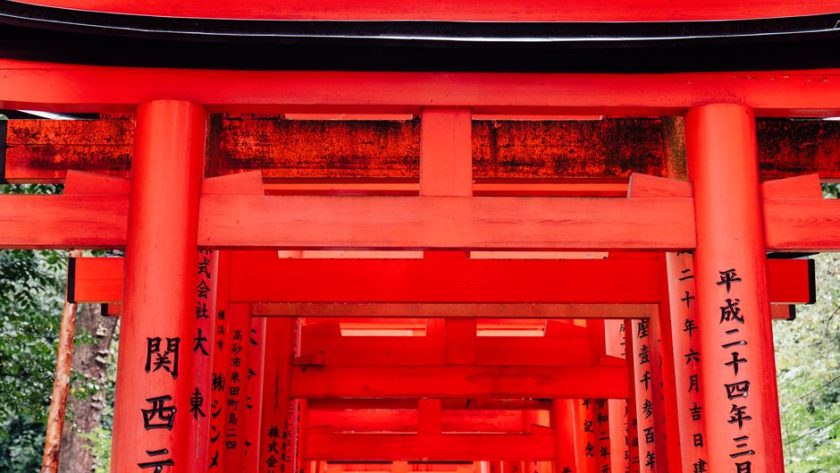
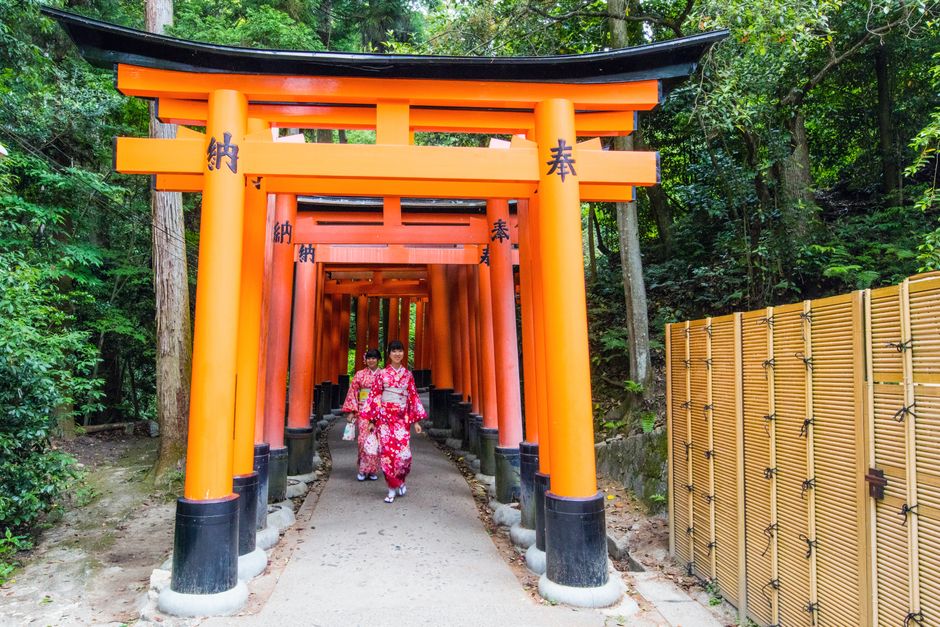
Fushimi Inari is the single most photographed shrine in Kyoto, and 95% of visitors see about 5% of it. The trick is not just going early—it’s going all the way up. The full loop to the summit of Mount Inari takes about 2.5 hours. The first 30 minutes are packed. The last 90 are nearly empty.
Start at 6:30am. The shrine is open 24 hours, no admission fee, and the torii gates at dawn are genuinely otherworldly. By 8am you’ll be past the Yotsutsuji intersection, and by 9am you’ll have the upper trails almost entirely to yourself. Bring water. The vending machines at the top charge ¥200 for a bottle that costs ¥120 at the bottom.
The Temple Nobody Puts on Lists
After descending Fushimi Inari, don’t go back to the station. Walk 15 minutes east to Sennyu-ji Temple. It’s a large Tendai temple complex that gets almost no foreign visitors. The main hall has a massive Buddha statue, and the gardens are immaculate. Admission is ¥500. I’ve been there in peak cherry blossom season and counted fewer than 20 people. It’s not a “hidden gem” in the Instagram sense—it’s a functioning religious site that happens to be beautiful.
Afternoon: Tofuku-ji’s Overlooked Garden
Tofuku-ji is mobbed in autumn for its maple leaves. In spring and summer, it’s quiet. The Hojo Garden (¥500) is a zen garden designed by Mirei Shigemori in 1939, and it’s one of the best examples of modern zen garden design in the country. Four gardens, each with a different character. Sit on the wooden veranda for 20 minutes. Nobody will rush you.
Day 3: Arashiyama Is a Morning Place. Here’s the Order That Works.
| Time | Spot | Why This Order | Cost |
|---|---|---|---|
| 6:45am | Bamboo Grove | Empty at this hour; tour buses arrive at 9am | Free |
| 7:30am | Tenryu-ji Temple | Opens 8:30am; walk the garden first, then the hall | ¥500 garden, ¥300 hall |
| 9:30am | Okochi Sanso Villa | Gated garden with matcha included; limited entry keeps it calm | ¥1,000 |
| 11:30am | Lunch at Arashiyama Itsukichaya | Yudofu set before the noon rush | ¥1,800 |
| 1:00pm | Gio-ji Temple | Moss garden, tiny, few visitors | ¥300 |
| 3:00pm | Adashino Nenbutsu-ji | 8,000 stone statues in a bamboo forest; haunting | ¥500 |
The Bamboo Grove is not a destination. It’s a 200-meter path. If you go at 2pm, you’ll spend 40 minutes waiting for a clear photo and then walk away disappointed. At 6:45am, you’ll have it to yourself. The sound of the bamboo creaking in the wind is the point, not the photo.
Okochi Sanso Villa is the best ¥1,000 you’ll spend in Kyoto. It’s the former estate of actor Okochi Denjiro, and the garden is a masterclass in borrowed scenery. Your ticket includes matcha and a small sweet in the tea house. I’d skip the Arashiyama Monkey Park entirely—the hike is steep, the monkeys are indifferent, and the view doesn’t justify the time.
Day 4: The Real Kyoto: Markets, Machiya, and a Tea Ceremony Worth Your Money
Nishiki Market is a tourist trap. I’ll say it plainly. The prices are inflated, the crowds are crushing, and most of the food stalls are now selling the same takoyaki and skewers you can get anywhere. But there’s a reason it still matters: it’s the last functioning shotengai in central Kyoto, and if you go at 8:30am when the fishmongers and knife sharpeners are setting up, it feels like a real market. Go for the atmosphere, not the food.
Tea Ceremony: Skip the Hotel Version
Most hotels offer a “tea ceremony experience” that’s a 20-minute demonstration with a powdered green tea whisk and zero context. Skip it. Book a session at En Tea House near Nijo Castle or Camellia Tea Ceremony in Higashiyama. Both are run by licensed tea masters, both cost around ¥3,000–¥4,000, and both take 45–60 minutes. You’ll learn the difference between koicha and usucha, how to bow, how to turn the bowl, and why the ceremony exists in the first place. That’s culture. Not a photo op.
Machiya Shopping: What to Actually Buy
Skip the souvenir shops on Shijo-dori. For real crafts, go to Kobo-san Market at Toji Temple (held on the 21st of every month) or Tenjin-san Market at Kitano Tenmangu (25th). These are massive flea markets where you’ll find vintage kimonos, ceramics, calligraphy brushes, and actual antiques. Bring cash. A vintage haori jacket that costs ¥15,000 in Gion costs ¥3,000 here.
For knives, go to Aritsugu in Nishiki Market—yes, it’s in the tourist zone, but it’s been making blades since 1560 and the quality is real. A basic santoku costs ¥12,000–¥18,000. They’ll engrave it for free. For incense, Shoyeido on Karasuma-dori sells samplers for ¥1,500 that make better gifts than anything with a torii gate on it.
Where to Stay: This Changes Everything
Stay near Sanjo Station or Karasuma Oike. Not Kyoto Station. Not Gion. The Sanjo-Karasuma corridor is the only area with two subway lines, and it’s walking distance to both the Kamo River and the start of the Higashiyama walk. Kyoto Station is convenient for day trips but dead at night. Gion is beautiful but overpriced and inconvenient for anything except Gion.
For a ryokan experience without the ¥80,000-per-night price tag, look at Ryokan Shimizu near Kyoto Station (¥15,000–¥18,000 per night) or Gion Yoshiima (¥25,000) if you want to be in the historic district. For a modern hotel, Hotel Gracery Kyoto Sanjo runs ¥12,000–¥16,000 per night and has a proper sento bath on the top floor. Book 3–4 months ahead for April and November.
The biggest mistake you can make in Kyoto is trying to see everything. You can’t. Four days is enough for maybe 60% of the major sites if you rush, or 80% of the experience if you slow down. I’d rather spend an hour sitting in a zen garden than 20 minutes waiting for a photo at Kinkaku-ji. The golden pavilion is a postcard. Sennyu-ji at 8am is a memory.
So here’s my recommendation: follow this itinerary exactly for the first two days. Then adjust. If you’re exhausted, cut Arashiyama’s afternoon and just do the morning loop. If you’re energized, add Daitoku-ji or Ryoan-ji on day four. Kyoto rewards the slow traveler and punishes the checklist tourist. Be the first one.