 Michael Hardy
Is Budapest worth visiting in winter, or will three short days become a cold march between closed attractions? The answer is yes, but only if you plan around early darkness, bath opening times, Christmas market crowds, and the fact that 24 December is not a normal shopping day in Hungary.
A workable winter trip puts outdoor walks in the brighter middle of the day, uses thermal baths as a warm-up rather than a rushed photo stop, and saves the markets for late afternoon. The plan below uses 2026 prices where official figures are available, with clear warnings when seasonal prices or opening hours can change.
What Should You Pack for Budapest in Winter?
Build an outfit for wet pavement
Pack waterproof shoes with a firm sole, not smooth fashion boots. Budapest’s central streets are easy to walk, but wet cobbles, tram platforms, and the long route from a market to a metro station punish thin soles. Add wool or synthetic socks, thermal leggings if you get cold easily, a midweight sweater, and a coat that blocks wind. A compact umbrella helps in rain, but a hooded shell is more useful when the wind is strong.
Carry the small items that save the day
- Pack a hat that covers your ears, touchscreen gloves, and a scarf long enough to block wind along the river.
- Bring a refillable water bottle, lip balm, and a small tote for market purchases.
- Keep a dry pair of socks in your day bag. A wet morning can ruin the evening if you cannot change.
- Carry a swimsuit, flip-flops, and a lightweight quick-dry towel if a thermal bath is on the schedule.
- Use a phone battery pack. Cold weather drains batteries faster, and mobile tickets require a working phone with data.
Do not overpack formal clothes. Budapest’s smart restaurants may expect neat clothing, but most sightseeing days reward layers and comfortable footwear. A thin base layer is better than one huge sweater because you can remove it inside cafés, museums, and bath changing areas.
The best packing decision is a dry, flexible system: waterproof footwear, three warm layers, and one bag that can hold a swimsuit. That setup handles a mild rainy day and a freezing evening without forcing an expensive emergency purchase.
Which Budapest Thermal Bath Is Best in Winter?
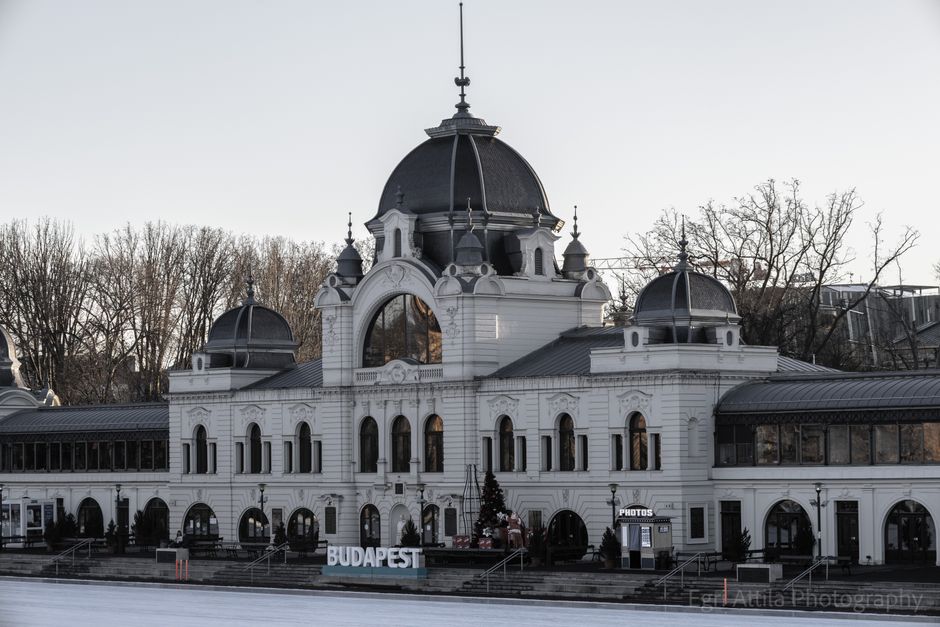
Choose Széchenyi for the classic first visit, Rudas for Ottoman architecture and evening bathing, and Lukács for lower cost and a more local feel. Gellért Thermal Bath is not a 2026 option: the official notice says it has been closed since 1 October 2026 for renovation.
2026 price and experience comparison
| Bath | 2026 adult price | Best time | Best for | Verdict |
|---|---|---|---|---|
| Széchenyi Thermal Bath | 13,200 HUF weekday locker ticket; 14,800 HUF Friday or weekend | Early morning | Large complex and outdoor pools | Best first-time winter choice |
| Rudas Thermal Bath | 12,000 HUF Monday–Thursday; 15,000 HUF Friday–Sunday | Late afternoon or night | Ottoman dome, rooftop pool, evening sessions | Best atmosphere for couples and repeat visitors |
| Lukács Thermal Bath | 7,000 HUF weekday; 8,000 HUF weekend | Morning or afternoon | Lower price and less tourist-heavy setting | Best value pick |
| Gellért Thermal Bath | Closed from 1 October 2026 | Not available | Art Nouveau interiors | Do not plan around it in 2026 |
How to avoid the most common bath mistakes
Buy from the official bath website, check the same-day opening notice, and arrive with a swimsuit, flip-flops, and a plan for your valuables. Széchenyi’s cash desks close one hour before closing, and the pool areas must be left 20 minutes before the end of the day. At Rudas, night-bathing tickets are sold online only, and visitors under 14 are not allowed.
Do not assume a thermal bath is a medical treatment. Hot water can feel relaxing, but people with heart conditions, pregnancy concerns, uncontrolled blood pressure, or other medical questions should ask a clinician before using very hot pools. For most visitors, the practical rule is to alternate warm water with a cool break, drink water, and leave if you feel dizzy.
When Should You Visit Budapest’s Christmas Markets?
Are the markets open throughout winter?
The main Christmas markets are seasonal, not permanent winter attractions. The official Vörösmarty Classic Xmas schedule lists 13 November 2026 through New Year’s, with normal hours of 11 a.m. to 9 p.m. Monday through Thursday and Sunday, and until 10 p.m. Friday and Saturday. On 24 December, it closes at 2 p.m.; on 25–26 December, it runs from noon to 6 p.m.
Which market should you choose first?
Start at Advent by the Basilica if you want the strongest light-show setting and a compact evening visit. Choose Vörösmarty Square for the larger central fair, craft stalls, and easy access to Váci Street. The clear recommendation for a first evening is to visit the Basilica market before walking to Vörösmarty Square; the two are close enough to combine without spending money on a taxi.
How much should market food cost?
Use 2026 prices as a warning, not a promise for 2026. Mulled wine was around 1,500 HUF, punch around 1,560 HUF, plain lángos roughly 2,400–2,500 HUF, chimney cake about 3,300–3,900 HUF, and larger hot meals often reached 5,500–8,500 HUF. Read the price board before ordering, ask for the price by portion, and keep a card or small amount of forints ready.
Do not schedule a market visit for the afternoon of 24 December. Hungary treats Christmas Eve as a family day, and the city becomes much quieter after lunch. Early December on a weekday gives you the best balance of atmosphere, open businesses, and manageable crowds.
How Much Does a 3-Day Budapest Winter Trip Cost?
Use a realistic daily budget
For one adult staying in a central mid-range room, set aside roughly 35,000–60,000 HUF per day for food, local transport, and paid sights, before lodging and flights. A cheaper trip is possible with bakeries, supermarkets, free walks, and one paid bath. A more comfortable trip rises quickly once you add restaurant dinners, two baths, and several museum tickets.
- Transport: the 72-hour Budapest travelcard costs 5,750 HUF in 2026. The 100E Airport Express costs 2,500 HUF each way, and a standard single BKK ticket is 500 HUF when bought through the normal channel.
- Baths: allow 7,000–15,000 HUF per person, depending on the bath and day. Add 1,000 HUF for a cabin at Rudas or Lukács if you choose that option.
- Markets: budget 4,000–8,000 HUF for a drink plus a snack, and more for a full hot meal.
- Fees: BKK lists a 12,000 HUF on-the-spot penalty fare and 25,000 HUF basic penalty fare for later payment, so validate tickets and keep passes available.
BudapestGO is the simplest way to plan routes and buy many tickets, but mobile tickets need live data and must be validated correctly. A 72-hour travelcard does not replace the separate 100E airport fare. That is the kind of small rule that creates a needless 2,500 HUF mistake.
This is not financial advice; it is a travel budget. Avoid financing a short city break on a card carrying 19.99%–35.99% APR, especially when foreign transaction fees can add another 1%–3% to purchases. Pay attention to the total cost, not a low monthly figure.
What Should You Skip on a Winter Weekend in Budapest?
Skip the closed landmark
Do not build your itinerary around Gellért Thermal Bath in 2026. The renovation closure is official, and a beautiful old photograph does not change the current operating status. Replace it with Széchenyi, Rudas, or Lukács based on the experience you want.
Skip the overpacked schedule
Budapest rewards a slower plan. Three major sights, one bath, and one market in a day is enough when sunset arrives early. A schedule that looks impressive on paper can leave you cold, hungry, and too tired to enjoy the evening.
Skip the tourist-price surprise
Christmas markets are atmospheric but not always cheap. Compare the listed price before ordering, use regular cafés for a warm drink, and treat the market as one meal or snack stop rather than every meal. The strongest three-day plan is the one that protects your energy and your budget: outdoor landmarks in daylight, a bath when the weather turns, and markets after the lights come on.
For a first visit, my final pick is Széchenyi on Day 2, the Basilica and Vörösmarty markets on Day 1, and Rudas only if you want a second bath or evening session. That combination gives you the defining winter experiences without pretending that every famous attraction is open, affordable, or worth the queue.