 Michael Hardy
 You arrive in Split before breakfast, pull a suitcase over the cobbles, and discover that the only ferry to your next island left twenty minutes ago. The next sailing is tomorrow. That is how a cheap Croatian island trip turns into an expensive night near the port.
I have made enough ferry mistakes to stop treating the Adriatic like a normal rail network. The winning plan is smaller: choose the right weeks, build around the routes that actually run, and leave space for wind delays. Here is the system I use for Croatia island hopping before summer crowds.
When should you island-hop Croatia before the crowds arrive?
My clear pick is the second half of May through the first half of June. The sea is becoming comfortable, restaurants have opened, and the busiest July and August pattern has not arrived. Late September is also excellent, but it is a different trip: shorter days, cooler evenings, and a higher chance of weather affecting boats.
Which weeks have the best ferry balance?
Do not assume every summer route runs all spring. Operators add services in stages, and some attractive connections only exist during the high season. The Jadrolinija 2026 Split–Hvar timetable lists a direct catamaran from May 13 to June 18, while a faster Split–Bol–Hvar–Vis pattern starts on June 19.
| Planning window | Useful route | 2026 adult fare | My verdict |
|---|---|---|---|
| May 13–June 18 | Split–Hvar | €25 | Best balance of quiet streets and reliable access |
| May 8–October 18 | Split–Milna–Hvar–Korčula–Dubrovnik | €25 to Hvar, €55 to Dubrovnik | Best long southbound spine |
| June 19–September 13 | Split–Bol–Hvar–Vis | €23 to Bol, €25 to Hvar, €28 to Vis | Save this route for early summer |
Why May beats the first week of July
In May, you can still find rooms within walking distance of the old towns without paying peak rates. You also get a better chance of seeing Hvar Town, Komiža, or Korčula Town before day trippers fill the waterfront. My verdict is simple: start in the second half of May if quiet mornings matter more than guaranteed beach heat.
How do you build a Croatian island route that ferries can serve?
Build around one ferry spine, not a map full of tempting islands. The islands look close together, but passenger boats do not connect every pair every day. A route that appears logical on paper can require a return to Split, an overnight in the wrong port, or a private water taxi that costs more than the room.
Use Split as the first hub
For a first trip, I would use Split as the entry point and choose one direction. The cleanest northern spine is Split–Brač–Hvar–Vis, with Vis as the quiet finish. The cleanest southbound spine is Split–Milna–Hvar–Korčula, then Dubrovnik if you have at least seven nights. Pick one. Combining Vis, Korčula, Mljet, and Dubrovnik in five days creates transport stress rather than variety.
Write the route as a chain of confirmed sailings before booking hotels:
- Arrival in Split and one night near the port.
- Two or three nights on the first island.
- One direct sailing to the next island.
- At least two nights on the final island before flying or taking a long bus.
The TP Line 654 schedule is a good example of a usable southbound chain. It runs Split to Milna, Hvar, Korčula, and Dubrovnik, with the 2026 service listed from May 8 to October 18. That does not mean every other route runs on the same dates.
Why direct routes beat the shortest-looking route
A direct 90-minute ferry is usually better than two short ferries with a three-hour wait between them. Every transfer adds a failure point: a late bus, a full sailing, a changed pier, or wind. For the early season, I choose direct routes even when they cost a few euros more. The best route is the one that still works after one delay.
What should you book first for an early-season island trip?
Book transport before charming accommodation. That single change prevents most expensive mistakes.
Use the three-booking order
- Check the ferry calendar. Confirm the exact date, port, baggage rule, and final departure time on the operator’s site.
- Book the awkward connection. Reserve the least frequent sailing first, especially a cross-island route such as Hvar to Korčula or Korčula to Dubrovnik.
- Book the room near the correct pier. Hvar Town, Stari Grad, Korčula Town, and Vela Luka are not interchangeable arrival points.
- Add a weather buffer. Keep one flexible night before an international flight or an expensive onward train.
- Save offline evidence. Download tickets, pier addresses, and the accommodation’s phone number before leaving Wi-Fi.
The booking mistake that wastes the most money
Do not book a non-refundable room on an island before confirming the boat that reaches it. A ferry cancellation can leave you paying for a room you cannot reach, then paying again for a mainland hotel. For a short trip, I would pay slightly more for a room with free cancellation until the first ferry is confirmed.
My verdict: secure the transport bottleneck first, then build the comfortable parts of the trip around it.
Which Croatian islands are worth visiting before summer crowds?
Is Vis better than Hvar for a quiet early-season trip?
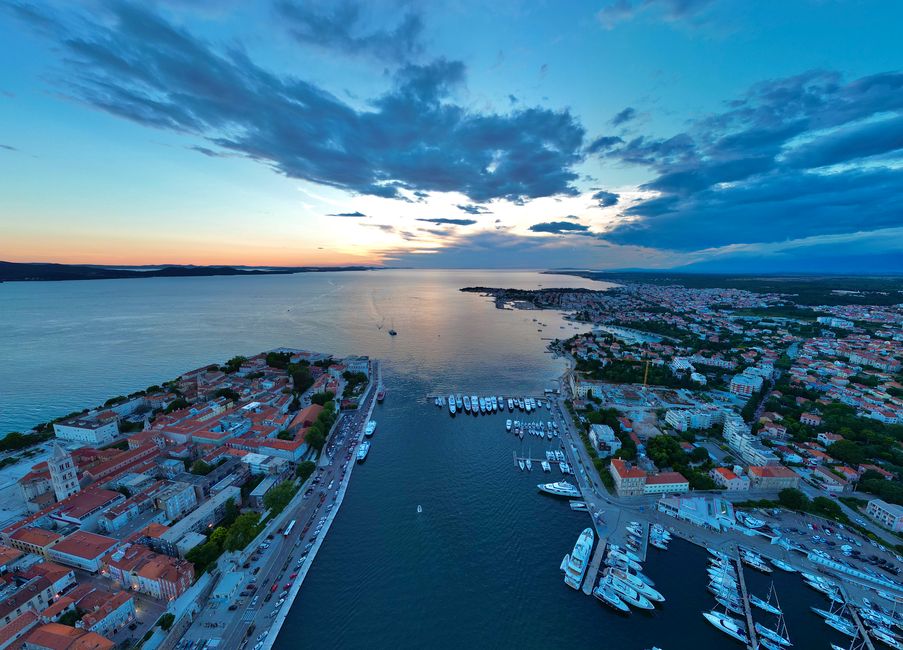
Yes. Choose Vis if you want slow mornings, swimming coves, and a less polished feel. Komiža is my favourite base because the harbor feels like a working town rather than a nightlife set. Hvar is the better choice for historic streets, restaurants, nightlife, and easy onward connections. I would not spend only one night on either island; the ferry effort is too high for a rushed visit.
Should you choose Brač or Korčula?
Choose Brač for beaches and a simple route from Split. Bol gives you the famous Zlatni Rat area, but it can feel busy as soon as day boats arrive. Choose Korčula for old-town architecture, wine country, and a stronger two- or three-night stop. Korčula works best when you are continuing south, while Brač works best as an easy first island.
When is Mljet the wrong choice?
Mljet is the wrong choice for a first night after landing in Croatia. Connections can be limited, and reaching a remote village after a delayed flight is unpleasant. Add Mljet after Dubrovnik or Korčula when you can give it two full nights. My early-season ranking is Vis for quiet, Hvar for variety, Korčula for culture, Brač for easy access, and Mljet for travelers who specifically want national-park landscapes.
What should you carry between Croatian islands?
It is easier to lift onto a catamaran, easier to carry over uneven harbor streets, and small enough to keep beside your seat instead of checking it below deck.
The small gear that earns its space
Use a Sea to Summit Ultra-Sil Dry Bag for swimwear, electronics, and the clothes you need after a wet boarding queue. It is not a substitute for a fully waterproof expedition bag, but it is exactly right for ferry spray and damp beach gear.
It is more power than a phone-only traveler needs, so do not buy it for a weekend on Hvar. I would choose it only for a longer route with a camera, tablet, or laptop. A smaller 10,000mAh battery is the smarter purchase for light travelers.
The Croatian ferry network is becoming easier to use online, but the core rule will stay the same: the travelers who leave room for weather, seasonal schedules, and one unplanned slow morning will enjoy more islands than the travelers who try to collect them all.