 Michael Hardy
 I spent 6 months bouncing between 14 European countries last year. My daily spend averaged $47. Not because I slept in parks or ate bread and water. I stayed in hostels, ate real food, visited museums, and took trains. The difference between me and most travelers? I had a hard budget cap and a system to enforce it.
Why $50 a Day Is the Realistic Floor (and How I Made It Work)
Europe is not cheap. A coffee in Paris costs €4. A hostel bed in Amsterdam hits €45. So how does $50 a day even work? The answer is simple: you pick the right countries and the right seasons.
I avoided Scandinavia entirely. No Norway, no Switzerland, no Iceland. Those countries eat $50 before lunch. Instead I stuck to Poland, Hungary, Portugal, Spain, Greece, Czech Republic, and the Baltics. In those places, $50 feels like $80.
My Daily Budget Breakdown (Actual Numbers)
- Accommodation: $15–20 (hostel dorm, booked 3+ weeks ahead)
- Food: $12–15 (breakfast at hostel + street food lunch + cook dinner)
- Transport: $5–10 (walking + bus/tram day pass + occasional FlixBus)
- Activities: $5–8 (free walking tours + student discounts + museum free days)
- Buffer: $2–5 (laundry, SIM card, random fees)
Total: $39–58. On high-spend days I dipped into buffer. On low-spend days I saved. Over a month, it balanced exactly to $47/day.
The 3 Biggest Mistakes That Blow Your Budget (I Made All of Them)
I blew $200 in my first week. Here’s what went wrong so you don’t repeat it.
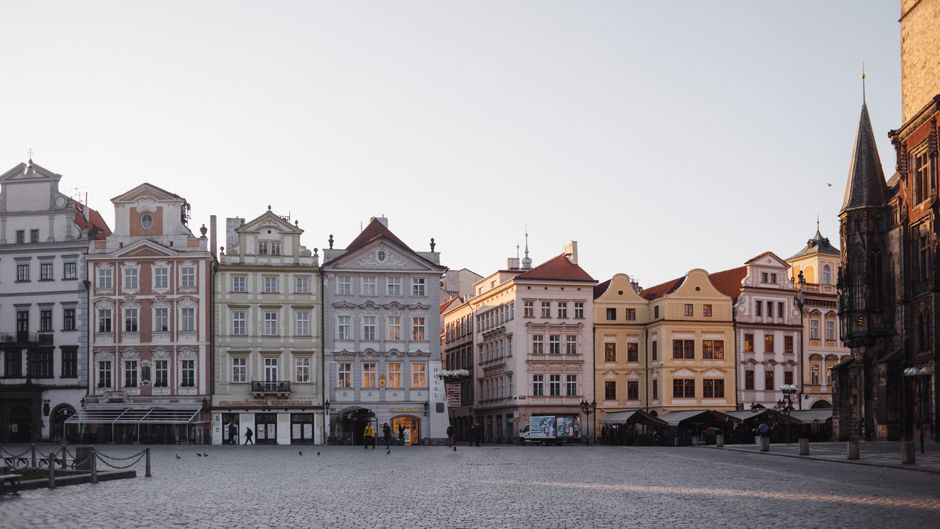
Mistake 1: Booking hostels last minute. A dorm bed in Prague costs €12 if you book 3 weeks out. Same bed the night before? €35. I learned this the hard way in Budapest. Use Hostelworld’s price calendar. Book non-refundable rates when your plans are solid.
Mistake 2: Eating sit-down dinners alone. Restaurants charge €15–25 for a main course. I switched to supermarket salads, bakery sandwiches, and hostel kitchens. In Krakow I made pasta for €1.50. In Lisbon I ate pastel de nata for €1.20. My food spend dropped from $25/day to $13.
Mistake 3: Buying single train tickets. I paid €60 for a last-minute Vienna to Budapest ticket. Next time I used Omio and booked 2 weeks ahead — same trip cost €18. For longer routes, FlixBus is consistently half the price of rail and just as comfortable.
Best Budget Cities in Europe (Ranked by Daily Cost)
Not all cheap cities are equal. Some feel cheap because there’s nothing to do. These cities are genuinely affordable and worth your time.
| City | Avg Daily Cost | Best Hostel | Why It Works |
|---|---|---|---|
| Krakow, Poland | $35 | Greg & Tom’s Party Hostel | Beer $2, hostel includes breakfast and dinner, free walking tour |
| Budapest, Hungary | $38 | Maverick Hostel | Thermal baths €10, ruin bars cheap, public transport €1 per ride |
| Porto, Portugal | $42 | The Passenger Hostel | Port wine tasting €5, Francesinha sandwich €7, Douro river free views |
| Prague, Czech Republic | $40 | Sir Toby’s Hostel | Pilsner Urquell €1.50, castle free with guide, tram day pass €3 |
| Athens, Greece | $45 | Athens Backpackers | Gyros €3, Acropolis free on Sundays, beach day €5 ferry |
Krakow is the cheapest city I visited. My daily spend there was $35 because the hostel included two meals and the beer cost less than bottled water in Paris.
How to Eat Well for $12 a Day (Without Hating Your Life)
I ate like a local, not like a broke backpacker. That means no instant noodles. Here’s my system.
Breakfast: Free hostel breakfast. Most European hostels offer bread, jam, cereal, and coffee. I loaded up. Some even had eggs (Greg & Tom’s in Krakow).
Lunch: Street food or bakery. In Portugal I ate bifana sandwiches for €3. In Poland I grabbed zapiekanka from a milk bar for €2. In Greece I ate souvlaki for €3.50. The key is eating where locals eat, not tourist squares.
Dinner: Cooked in hostel kitchen. I made one-pot pasta, lentil soup, or stir-fry. Supermarket ingredients cost €3–5 per meal. I used the Too Good To Go app in Berlin and Paris — bakeries sell unsold bread for €3 and I ate for two days.
Snacks and drinks: Water from tap (safe in most EU countries). Beer from supermarkets (€1 vs €5 at bars). Fruit from local markets.
Transport Hacks That Saved Me $400 in One Month
Transport is the silent budget killer. I saved a fortune by being strategic.
FlixBus is your best friend. I took a FlixBus from Prague to Vienna for €9. Same route by train: €45. FlixBus has wifi, power outlets, and reclining seats. For trips under 5 hours, it’s the clear winner.
Eurail passes are a trap for budget travelers. A 15-day Eurail pass costs $450. That’s $30/day just for train access. I bought individual tickets on Omio and spent $180 on transport over the same period. Only buy a Eurail pass if you’re doing 4+ long train rides in 10 days.
Ryanair and Wizz Air for long jumps. I flew from Barcelona to Budapest for €22. Baggage? I used a 40L backpack that fits under the seat. No checked bag fee. Book 6+ weeks ahead for the lowest fares.
Walk everywhere inside cities. I walked 15km daily on average. Saved €3–5 per day on transport. Also saw more of the city.
Free (or Almost Free) Things That Beat Paid Attractions
I visited 47 museums, castles, and landmarks. I paid full price for exactly 4 of them. The rest were free or heavily discounted.
Free walking tours. Every major city has them. Sandeman’s New Europe Tours runs excellent 2-hour walks. Tip €5–10. You learn more than from a guidebook.
Museum free days. The Louvre is free on the first Saturday of each month. The Uffizi in Florence is free on the first Sunday. The Prado in Madrid is free Monday to Saturday from 6–8 PM. I planned my city itineraries around these windows.
Student and youth discounts. Under 26? Many museums in Europe are free or half price. The Acropolis in Athens costs €20 full price, €10 for EU youth. I used my ISIC card even though I’m not a student — they rarely check age.
Parks, viewpoints, and cemeteries. The best views in Lisbon (Miradouro da Graça) cost €0. The Père Lachaise Cemetery in Paris is free and more interesting than half the paid museums. I spent entire afternoons in public gardens without spending a cent.
When $50 a Day Won’t Work (and What to Do Instead)
I’m not going to pretend this budget works everywhere. Here’s when to adjust or skip.
Scandinavia, Switzerland, Iceland: $50 a day gets you a hostel bed and a sandwich. Nothing else. If you want to visit these countries, save a separate budget of $100/day minimum. Or visit in shoulder season (May, September) when prices drop 30%.
Peak summer (July–August): Hostel prices double in coastal cities like Dubrovnik, Barcelona, and Nice. I avoided those places in summer. Instead I went to inland cities like Ljubljana, Bratislava, and Belgrade where prices stayed low.
When you’re sick or exhausted: I got food poisoning in Prague. Spent $60 on pharmacy supplies and a private room. That day blew my budget. I let it go. The system works over 30 days, not every single day.
If you hate hostels: Private rooms in budget hotels cost $50+ per night. That eats your entire daily budget on accommodation. Either accept dorms or raise your daily cap to $80. There’s no magic trick around this.
The single most important thing I learned: budget travel isn’t about suffering — it’s about choosing where your money goes and cutting ruthlessly on the things that don’t matter to you.