 Michael Hardy
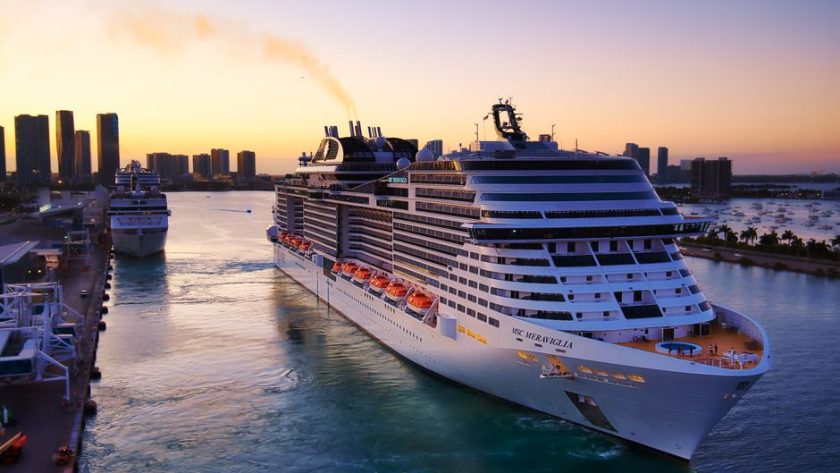
 You’ve seen the photos — a massive ship glowing electric blue against black water, like something from a sci-fi movie. Looks incredible, right? But here’s what nobody mentions before you book: those underwater lights aren’t all the same, and some are downright disappointing. I’ve spent the last seven years working on cruise ships and another three consulting on marine lighting retrofits. Let me save you the headache.
Why Underwater Lights Exist (It’s Not Just for Instagram)
Underwater lights serve three real purposes. First, safety. When a ship docks at night, crew need to see the waterline clearly — ropes, debris, even swimmers. Second, marine life attraction. Plankton and small fish swarm to the light, which draws larger fish. On some itineraries, that means dolphins or manta rays feeding right under your balcony. Third, aesthetics. A well-lit hull makes a ship look alive. But that’s where the trouble starts.
Most passengers assume “underwater lights” means one thing. It doesn’t. There are three distinct types, and your experience depends entirely on which system your ship uses.
Surface-Mounted LED Arrays
These are the most common on older ships. Think of them as big floodlights bolted to the hull, usually 2–4 per side. Each fixture runs 200–500 watts. They produce a wide, diffuse glow. The light penetrates maybe 10–15 feet before scattering. On Royal Caribbean’s Freedom of the Seas, these lights create that iconic blue-green haze. Pretty from a distance. Up close? You see the individual bulbs and glare.
Recessed Hull Lights
Newer ships like the MSC World Europa (2026) and Disney Wish (2026) embed lights flush into the steel. These use smaller, higher-intensity LEDs — typically 50–100 watts per unit, but spaced every 10–15 feet along the hull. The result is a smoother, more uniform glow. Light penetrates deeper — 20–30 feet — because the beam is more focused. This is what you want if your goal is seeing marine life.
RGB Color-Changing Systems
This is the premium tier. Celebrity Beyond and Virgin Voyages’ Scarlet Lady use programmable RGB LEDs. You can cycle through colors, set patterns, or match the ship’s theme night. The Celebrity Beyond system uses 48 individual RGB fixtures, each controllable independently. The light show is impressive — but only if you’re on deck or in a public area. From a balcony, the color changes can feel gimmicky after ten minutes.
| Light Type | Typical Ships | Wattage | Depth Penetration | Best For |
|---|---|---|---|---|
| Surface-mounted LED | Freedom of the Seas, Carnival Sunshine | 200–500W per unit | 10–15 ft | Ambient glow, docking safety |
| Recessed hull lights | MSC World Europa, Disney Wish | 50–100W per unit | 20–30 ft | Marine life viewing |
| RGB color-changing | Celebrity Beyond, Scarlet Lady | 30–75W per fixture | 15–25 ft | Entertainment, photo ops |
Three Mistakes That Ruin the Experience
I’ve seen passengers get disappointed time and again. Here are the three biggest mistakes.
Mistake #1: Booking a cabin on the wrong deck. Underwater lights are mounted near the waterline — usually 10–20 feet above the water. If your cabin is on deck 6 or higher, you’re too far away to see the light hitting the water. You’ll see a faint glow at best. Book decks 2–4 on ships that have them. On Norwegian Prima, the lights are at deck 3 level. Anything above deck 5 and you’re wasting the view.
Mistake #2: Expecting light to show through murky water. Underwater lights work best in clear water — Caribbean, Mediterranean, South Pacific. In rivers, fjords, or ports with silt, the light barely penetrates. I was on a Danube river cruise where the lights turned the water a muddy brown. Zero visibility. Check your itinerary. If you’re sailing the Amazon or Alaska’s Inside Passage, the lights are decorative, not functional.
Mistake #3: Thinking all-night lighting. Most ships turn off underwater lights between midnight and 6 AM. It’s a power-saving measure. Also, bright lights attract too many fish, which then attract predators near the hull — not great for crew safety during maintenance. If you’re a night owl hoping to watch the glow at 3 AM, you’ll be staring at darkness. Confirm with guest services whether your ship runs lights all night. Most don’t.
When NOT to Book a Ship for Its Underwater Lights
Here’s an unpopular opinion: if underwater lights are a deciding factor for your cruise, you’re probably booking the wrong trip. I say this as someone who literally designs these systems. The lights are a bonus, not a feature. Here’s when they don’t matter.
- Short port-intensive itineraries. If you’re in port every day until 6 PM and sail overnight at 10 knots, you’ll be asleep or at dinner. Lights are only visible during evening sailing hours — maybe 2–3 hours per night.
- Balcony-less cabins. You need direct line of sight to the water. Interior or oceanview cabins don’t cut it. Even some balconies on lower decks have solid steel railings that block the view downward.
- Ships that don’t prioritize lighting. Carnival and MSC often use minimalist systems — a few blue LEDs near the engine room intakes. You’ll see a glow, but not the spectacle you see in marketing photos. Disney Cruise Line and Celebrity invest heavily in lighting design. If you want the show, pick the right brand.
How to Check If Your Ship Has Good Underwater Lights
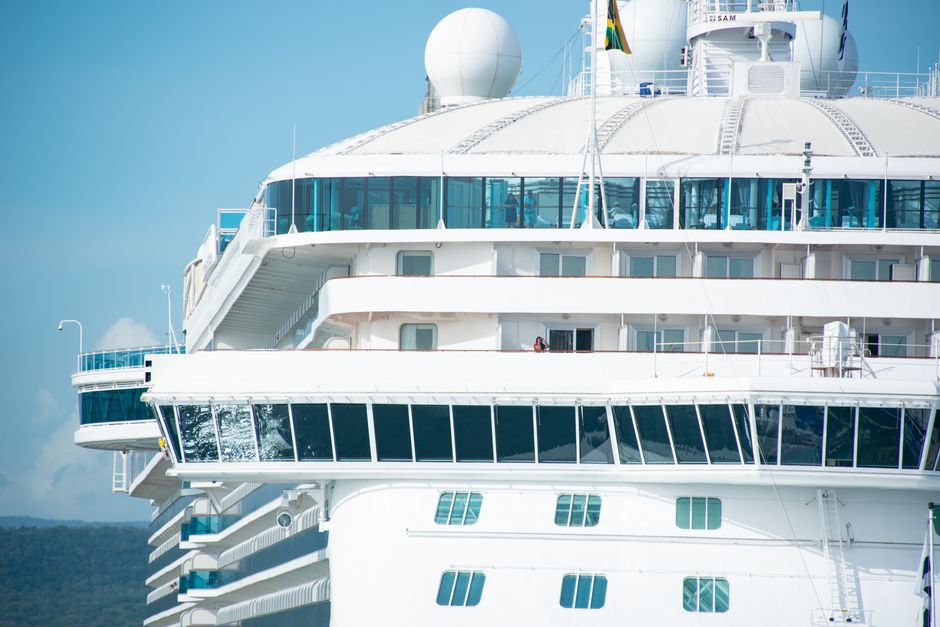
You can’t trust the brochure photos. Every cruise line photoshops the lights to look brighter and bluer than reality. Here’s how to know for sure.
Search YouTube for “[ship name] night sailing” or “[ship name] underwater lights.\” Real passenger videos — not promotional content — show the actual brightness and color. Look for footage shot from a balcony, not from the pier. That tells you what you’ll actually see.
Check Cruise Critic forums. Search the specific ship’s roll call or review threads. Someone always asks about the lights. I’ve seen threads where passengers on the same ship reported completely different experiences — because one was on deck 3 and the other on deck 8. Deck matters that much.
Call guest services directly. Ask: “What type of underwater lighting system does the ship use? Are the lights on during all night sailing hours?” If the rep can’t answer, ask for the technical department. Most lines have a marine engineering team that handles these questions. Royal Caribbean and Norwegian are good about providing specs. Costa and P&O are not.
What I’d Buy If I Were Building a Cruise Ship Today
If money were no object, I’d install the Philips Color Kinetics iColor Cove MX system. It’s what Celebrity Beyond uses. Each fixture costs roughly $1,200, and you need about 40–60 for a mid-sized ship. Total system cost: $50,000–$80,000 installed. That’s a lot. But the control is unmatched — you can program sunrise simulations, color fades, even coordinate with music.
For a budget build, I’d go with Aqualuma surface-mount LEDs. They’re Australian-made, IP68 rated, and cost about $400 per fixture. P&O Cruises uses these on their older ships. They’re reliable, easy to replace, and produce a clean white-to-blue light. No color-changing, but the brightness is solid. You get what you pay for.
My personal pick for the best passenger experience? The recessed system on Disney Wish. The lights are subtle — not blinding — and they attract sea life consistently. On the maiden voyage, passengers reported seeing sea turtles and manta rays feeding under the stern every night. That’s the magic. Not the light itself, but what the light reveals.
What the Future of Cruise Ship Underwater Lights Looks Like
I’m watching two trends closely. First, biometric lighting — systems that adjust color temperature based on time of day and ambient moonlight. MSC is testing this on the World America (launching 2026). The idea is to mimic natural light cycles so the ship doesn’t disrupt marine life behavior. Second, interactive passenger controls. Imagine an app where you can change the color of the lights under your balcony for 15 minutes. Virgin Voyages is reportedly developing this. It’s a gimmick, but a fun one.
The real innovation will be low-impact LED arrays that don’t blind fish or disrupt migration patterns. Environmental groups are pushing for regulations. By 2026, I expect all new ships to have lights that automatically dim near marine sanctuaries. That’s good for everyone.