 Michael Hardy
 My clear recommendation: spend 10 to 14 nights on Costa Rica’s Pacific side, combining Arenal, Monteverde, one wildlife-rich coastal park, and a final beach stay. The dry season gives you the best odds of sunny beach days and usable roads, but it does not create one uniform climate across the country. The Caribbean coast follows a different weather pattern, and the rainforest can still produce a hard afternoon shower.
When Is Costa Rica’s Dry Season Actually Dry?
The Pacific season runs from December to April
Costa Rica’s main dry season runs from roughly mid-December through late April. The Costa Rica Tourism Board’s season guide uses that window for most of the Pacific, Central Valley, and northern plains. January through March usually gives the most reliable dry weather. April can still be excellent, but the heat builds and the first seasonal showers may arrive late in the month.
Guanacaste is the driest part of the country. Landscapes around Tamarindo, Nosara, Playas del Coco, and Santa Teresa often turn brown by March. That is normal, not a sign that the region has lost its appeal. The dry forest opens up wildlife views, roads become easier, and beach time is more predictable.
The Caribbean is a separate weather decision
Puerto Viejo, Cahuita, and Tortuguero do not follow the same clean dry-season pattern. Rain can arrive at any time, and the Caribbean side often has its own sunnier stretches later in the year. I would not add the Caribbean to a short first trip simply because it appears close on a map. Crossing from the Pacific to Puerto Viejo can consume most of a day, and the weather may not match the forecast you planned around.
My verdict is simple: choose the Pacific for dependable dry-season beach weather, then accept some mountain rain around Arenal and Monteverde. That mix gives you better odds of seeing a volcano, walking through wet forest, and finishing beside warm ocean water than a rushed attempt to cover both coasts.
What Route Best Combines Rainforest, Volcanoes, and Beaches?
The 12-night route I would book first
The route below keeps the trip moving in one broad direction. It has enough time in each base to recover from driving, and it saves the beach for the end. Transfer times vary with traffic, road works, weather, and the exact hotel, so treat them as planning estimates rather than promises.
| Base | Nights | Main experience | Typical transfer |
|---|---|---|---|
| San José or Alajuela | 1 | Recover after the flight and buy supplies | 20 to 45 minutes from SJO |
| La Fortuna | 3 | Arenal Volcano, hot springs, hanging bridges, rainforest | 3.5 to 4 hours from SJO |
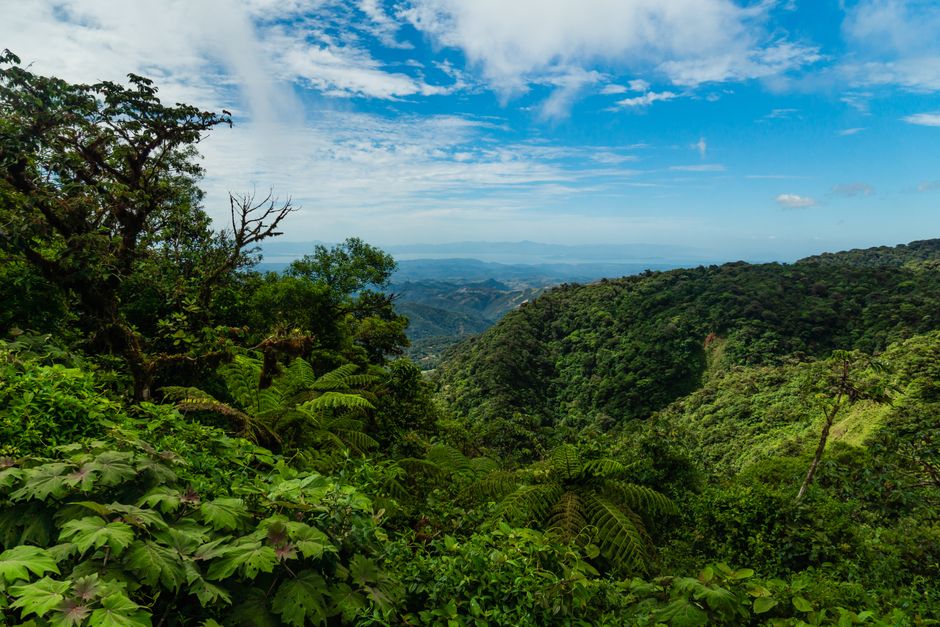
| Monteverde | 2 | Cloud forest, hummingbirds, cooler mountain air | 3.5 to 4.5 hours from La Fortuna |
| Manuel Antonio or Uvita | 3 | Wildlife, coastal rainforest, Pacific swimming | 4.5 to 5.5 hours from Monteverde |
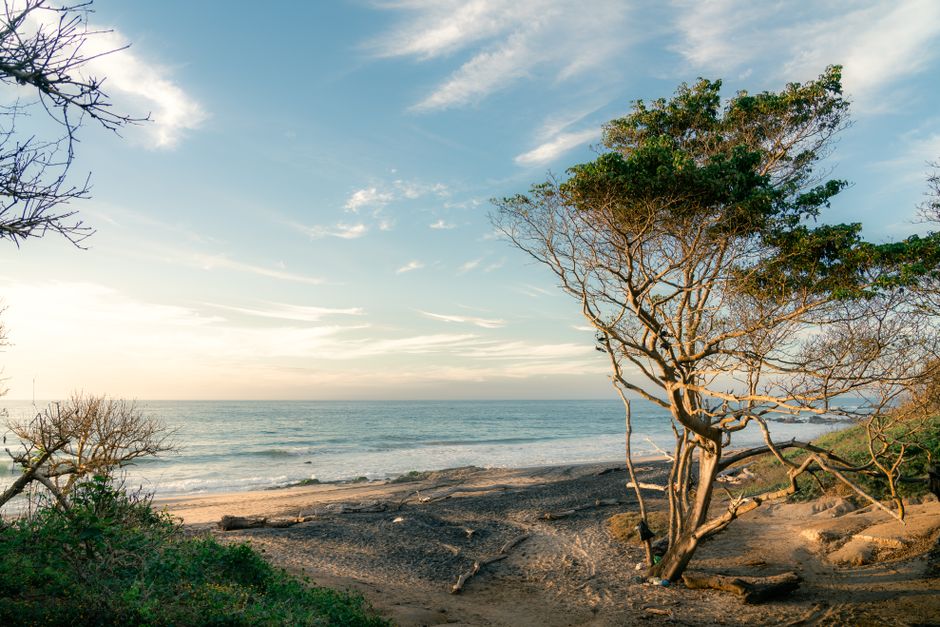
| Guanacaste or Nicoya Peninsula | 3 | Dry forest, long beach days, sunset and swimming | 4.5 to 6.5 hours from Manuel Antonio |
Why I prefer this order
Arenal gives you the strongest first nature stop. You get volcano views, lush trails, and hot springs without needing a difficult hike to the summit. Monteverde then changes the landscape completely: cooler temperatures, mist, moss, steep paths, and cloud-forest birds. Manuel Antonio adds an easy wildlife payoff, while Guanacaste finishes the trip with the driest weather and the least demanding schedule.
Where to cut days
For 10 nights, remove the first San José night and choose either Manuel Antonio or Guanacaste, not both. For seven nights, stay in La Fortuna for three nights and choose one Pacific beach base for four. I would drop Monteverde before dropping Arenal; the roads are slower, and the cloud forest is best when you can give it a full morning instead of treating it as a hurried stopover.
How I Pack for Costa Rica’s Heat, Mud, and Mountain Air
Use a small bag and one serious rain layer
Costa Rica punishes overpacking. Hotels are casual, laundry is easy to find, and you will spend more time sweating through a shirt than dressing for dinner. My target is one carry-on-sized bag, a small daypack, and clothing that dries overnight.
What not to buy for this trip
Do not buy heavy hiking boots for an ordinary Arenal and Pacific itinerary. They take too long to dry and add weight without solving a real problem. Do not buy a full safari wardrobe either; quick-dry shirts, a brimmed hat, sunscreen, insect repellent, and a shell cover the actual conditions better than a suitcase full of specialist clothing. The winning packing strategy is boring, light, and easy to dry.
What Goes Wrong in Costa Rica’s Dry Season?
Mistake one: treating the map like a timetable
Distances look short, but mountain roads and traffic turn a 120-mile journey into a full travel day. A route from La Fortuna to Manuel Antonio may take five hours before fuel, lunch, viewpoints, and traffic around Quepos. Booking a 9 a.m. tour on the same day as a long transfer is a bad bet. Spend at least two nights in every major base, and schedule the most important activity for the morning after arrival.
Mistake two: expecting dry season to mean cool or rain-free
Pacific beaches can feel brutally hot in the afternoon. Start hikes by 7 a.m., keep the midday period flexible, and never judge a forest stop by a cloudless beach forecast. Arenal and Monteverde sit at higher elevations, so evenings can feel cool and damp even during the country’s sunniest months. A light layer matters more than a second swimsuit.
Mistake three: trusting unofficial ticket sellers
For national parks, check the current rules and fees through the SINAC park information system before paying a third party. Manuel Antonio has limited capacity and attracts aggressive touts near the entrance. Buy through the official channel when reservations are required, arrive early, and keep your booking confirmation accessible offline.
One more failure mode is planning the whole trip around a volcano view. Arenal can hide behind cloud for hours or days. Build the trip around forests, hot springs, wildlife, and beaches so a covered summit does not turn a good vacation into a disappointment.
My Verdict on the Best Costa Rica Dry-Season Plan
The route I would pay for
Book 12 nights on the Pacific side: one night near San José, three in La Fortuna, two in Monteverde, three around Manuel Antonio, and three in Guanacaste. That plan gives you a volcano region, two kinds of rainforest, a wildlife-rich coast, and a final beach stretch without pretending Costa Rican roads work like highways.
The tradeoff I accept
I would rather see four places properly than add the Caribbean and spend the holiday repacking in vans, and I would rather pay more for a dry-season room booked early than gamble on a bargain during Christmas, Easter, or a school break; Costa Rica’s best travel planning is becoming less about finding one perfect season and more about matching each region’s weather, roads, and wildlife to the time you actually have.