 Michael Hardy
 Are Marrakech’s warm afternoons and the Atlas Mountains’ snowy peaks actually compatible in one late-winter trip? Yes, but only if you plan for two climates, build in road-time flexibility, and stop treating Morocco as one steady-weather destination. Late winter, roughly February through early March, is one of the best periods for Marrakech, yet the Atlas can still bring ice, snow, cold nights, and closed mountain roads.
What is Marrakech weather like in late winter?
Verdict: Marrakech is the reliable half of this trip. Expect mild daytime weather, chilly evenings, bright sun between passing showers, and a much sharper temperature drop after sunset than many first-time visitors expect.
Daytime temperatures feel springlike
In late winter, Marrakech commonly reaches about 18–23°C during the afternoon, with cooler days after rain. The medina’s narrow lanes can feel warm in direct sun and surprisingly cold in shade. A sunny 21°C forecast does not mean shorts weather from breakfast to dinner. The best sightseeing window is usually 10 a.m. to 4 p.m., when the air has warmed and most wet surfaces have dried.
Nights need a real layer
Overnight lows often fall toward 6–10°C. Traditional riads can feel colder indoors because tiled floors, open courtyards, and limited heating hold the chill. Choose accommodation with enclosed rooms and confirmed heating if you dislike cold nights. A rooftop dinner needs a coat, not just a long-sleeve shirt.
Rain changes the rhythm
Late winter rain is usually intermittent rather than a week-long washout, but a short downpour can flood uneven streets and make polished courtyard floors slippery. Keep one flexible afternoon for the Bahia Palace, Jardin Majorelle, or a hammam if the forecast turns wet. The clear-air reward is excellent visibility toward the Atlas, especially the morning after a storm.
How should you split time between Marrakech and the Atlas Mountains?
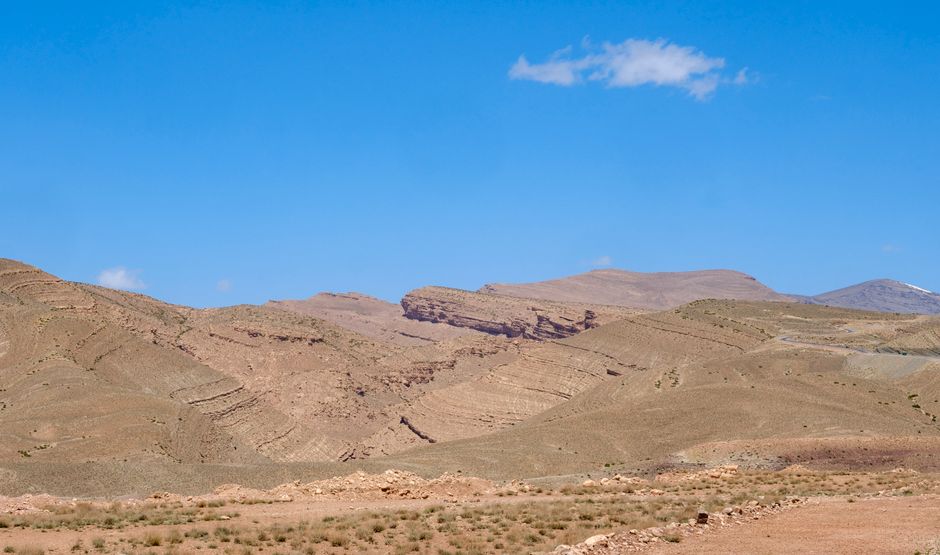
Best split: give Marrakech three nights and the Atlas at least one night if mountain scenery matters to you. A rushed day trip can show you a valley, but it cannot replace waking above the plain with snow peaks outside the window.
| Trip length | Marrakech | Atlas Mountains | Best use |
|---|---|---|---|
| 3 nights | 2 nights | 1 night | Fast first visit with one mountain stay |
| 4 nights | 3 nights | 1 night | Best balance for most travelers |
| 5 nights | 3 nights | 2 nights | More walking and weather flexibility |
| 7 nights | 4 nights | 3 nights | Slower route with valleys and villages |
Why Marrakech deserves the first nights
Starting in Marrakech gives you an easy landing after an international flight, access to food and cash, and time to adjust to Moroccan traffic and bargaining. The city also works as a weather buffer. If rain delays a mountain transfer, you can shift a market visit or palace tour without losing the core experience.
Why Imlil needs more than a photo stop
Imlil sits around 1,740 metres and takes roughly 1.5 to 2.5 hours from Marrakech by road, depending on traffic and the final transfer. The journey is short enough for a day trip, but staying overnight makes the mountain air, village paths, and changing light worthwhile. Mount Toubkal rises to 4,167 metres, so summit conditions are a separate matter from a comfortable valley walk.
What should you pack for Marrakech and the Atlas?
My recommendation is simple: pack for warm sun, cold stone, and wet mountain paths in the same bag. Late winter rewards a small layering system more than a bulky coat.
- Bring a breathable base layer, a fleece, and a light insulated jacket. The Patagonia Nano Puff is a practical example because it packs small and adds warmth without the bulk of a heavy parka.
- Use shoes with real grip. The Merrell Moab 3 Mid Waterproof is a sensible model to compare because its hiking construction and waterproof version suit muddy village paths better than smooth city sneakers.
- Carry a rain shell. The Columbia Watertight II is a packable example with a waterproof shell, useful when a dry Marrakech forecast does not match a wet mountain valley.
- Choose a compact main bag. The Osprey Farpoint 40 offers a 40-litre capacity, enough for a short city-and-mountain trip without forcing you into checked baggage.
- Pack sunglasses, sunscreen, lip balm, and a brimmed hat. Bright mountain light can feel intense even when the air is cold.
- Add a headlamp, refillable bottle, small first-aid kit, and cash in Moroccan dirhams for rural stops, where card terminals may not work.
Footwear is the item most travelers get wrong
City trainers are fine for Marrakech’s dry streets, but they become a liability on steep, wet paths with loose stone. Wear your hiking shoes before the trip, check the sole for grip, and avoid buying a new pair the day before departure. For a trip centreed on cafés and monuments, lightweight trail shoes beat stiff boots; for snow or a summit attempt, use equipment suited to that route and current conditions.
Layers beat one expensive winter jacket
A base layer, fleece, shell, and compact insulated jacket cover more situations than one thick coat. You can remove layers in the medina, add them in Imlil, and keep the shell ready for rain. None of the named gear is required; the useful specification is the system: packable warmth, weather protection, and soles that hold on wet ground.
When is an Atlas Mountains trip a bad idea?
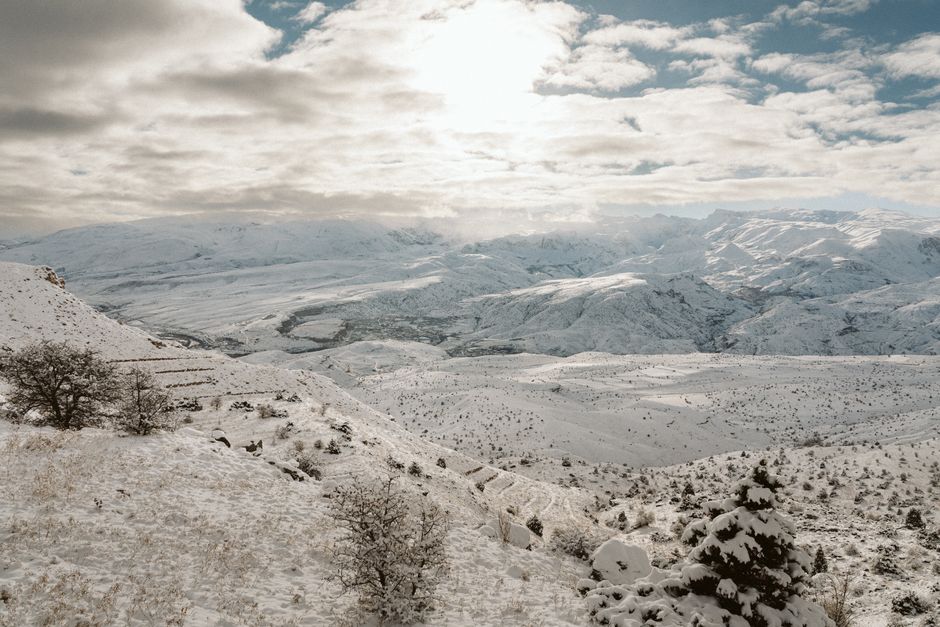
My verdict: skip the high Atlas portion when your itinerary cannot absorb a delay, when a storm has closed the access road, or when you expect a city break to feel like a guaranteed warm-weather holiday, because the mountain forecast can be several degrees colder than Marrakech and snow can change a short transfer into a long wait.
Do not book a summit attempt as a casual add-on to a three-day Marrakech visit, because Mount Toubkal requires altitude planning, a suitable guide or operator, proper equipment, and time to respond to headaches, nausea, exhaustion, or worsening weather instead of treating discomfort as part of the adventure.
Do not rely on a driver’s optimistic estimate when you have a fixed evening flight, because traffic leaving Marrakech, roadworks, livestock, rain, and mountain conditions can all stretch the journey, while a route that looks short on a map may include a slow final section with limited alternatives.
Choose a lower valley, a second Marrakech night, or a desert route instead when the mountains are icy, your group includes travelers who dislike steep paths, or you want guaranteed outdoor dining; missing the Atlas is less costly than turning a flexible holiday into a cold, stressful transfer day.
How much does late-winter Morocco actually cost?
Best budget choice: plan a mid-range trip rather than chasing the cheapest room or the most polished mountain package.
Where the budget quietly breaks
The expensive mistake is not one meal; it is stacking private transfers, last-minute rooms, and nonrefundable mountain plans while assuming the weather will cooperate. Keep one flexible night and confirm what a quoted transfer includes: hotel pickup, waiting time, luggage, tolls, and return travel.
Use card fees as part of the real cost
A foreign-transaction fee of 2–3% can add up, while a credit-card balance carrying a typical 24–30% APR can make a cheap trip expensive after you return. Use a card with no foreign-transaction fee when possible, pay it in full, and carry backup cash. This is not financial advice; it is a reminder to price the payment method, not only the hotel.
Which late-winter Morocco route is right for your trip?
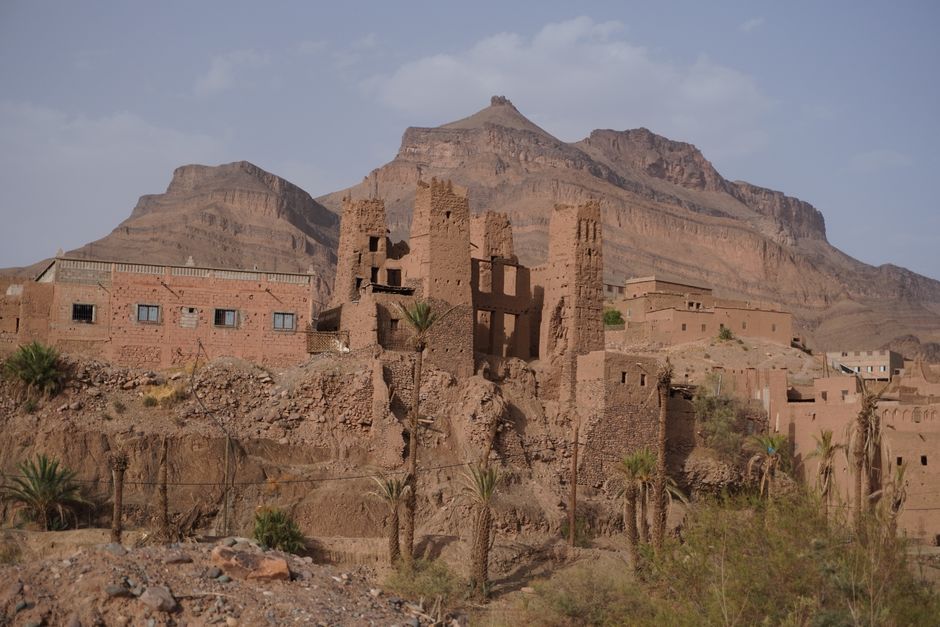
Use the route that matches your tolerance for cold, road delays, and walking, not the one that looks most dramatic in a photograph.
Is this best for a first Morocco visit?
Choose three Marrakech nights plus one night in Imlil if you want a clear introduction to souks, gardens, food, village life, and mountain scenery. This route has the strongest balance of comfort and contrast. It also leaves enough time to move the mountain night if heavy rain or snow affects the road.
What if the Atlas is the main reason for going?
Book two or three mountain nights, start with a lower valley walk, and treat a Toubkal summit as a separate objective. The strongest plan includes a local guide, an early weather check, and a backup village route. Snow on the peaks does not prove that a summit path is safe or open.
What if you want warmth and easy sightseeing?
Stay longer in Marrakech, add Essaouira or a lower-elevation cultural stop, and avoid promising yourself a high mountain trek. You still get winter sun, historic architecture, food markets, and Atlas views on clear mornings without making the trip depend on mountain access.
So, if you began by asking whether Marrakech and the Atlas can fit into one late-winter holiday, the answer is yes: make Marrakech your weather anchor, give the mountains a flexible overnight window, and pack for two climates instead of trusting one forecast.