 Michael Hardy
 You arrive at the rainforest viewpoint in June wearing sunglasses, hear a roar before you see the river, and then a gust of spray turns your phone screen useless. That is normal. Victoria Falls can still carry a huge wall of water in June, even after the March and April flood peak, but the spray is easing enough to reveal more of the 1,708-metre curtain.
My clear verdict: June is the best all-round month for a first visit if you want serious water power, clearer views, dry weather and comfortable daytime temperatures. It is not the best month for swimming at Devil’s Pool, and it is not the month for pretending that every activity runs on a fixed calendar.
Is Victoria Falls still high water in June?
Yes, but June is a moving target rather than a single water-level setting. The upper Zambezi responds to rainfall months earlier, so the river can remain immense after the local rainy season has ended. Early June and late June can feel like different trips: early June usually brings more spray and force, while late June often gives you cleaner sightlines across the gorge.
The river peaks before the calendar feels ready
The broad seasonal pattern is simple: the main flood usually peaks around March and April, then recedes through the dry season. A useful real-world check comes from the Zambezi River Authority flow record. In 2026, measured flow at Victoria Falls fell from 2,750 m³/s on June 1 to 2,371 m³/s on June 9, then reached 1,549 m³/s by June 30. Those figures show why a June 3 visit and a June 28 visit should not be planned from the same photograph.
What high water looks like from the path
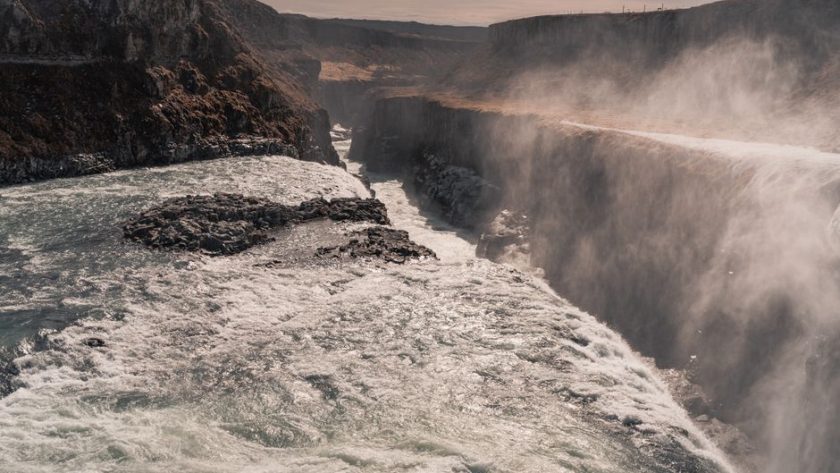
High water creates its own weather. Spray can blow sideways across the rainforest path, soak clothing, fog camera lenses and make a bright afternoon look grey. The falls remain loud enough to dominate conversation near the viewpoints, while the mist keeps the vegetation intensely green. The Zambia Tourism facts page lists the waterfall at about 108 metres high and 1,688 metres wide; that scale matters when spray hides sections of the curtain and makes the scene feel more like a storm than a scenic overlook.
Do not judge June by one travel video. Check the latest river-flow report, ask your accommodation about current spray conditions, and leave room to revisit the viewpoints after the wind changes.
June wins the power-versus-visibility trade-off
The best trade-off
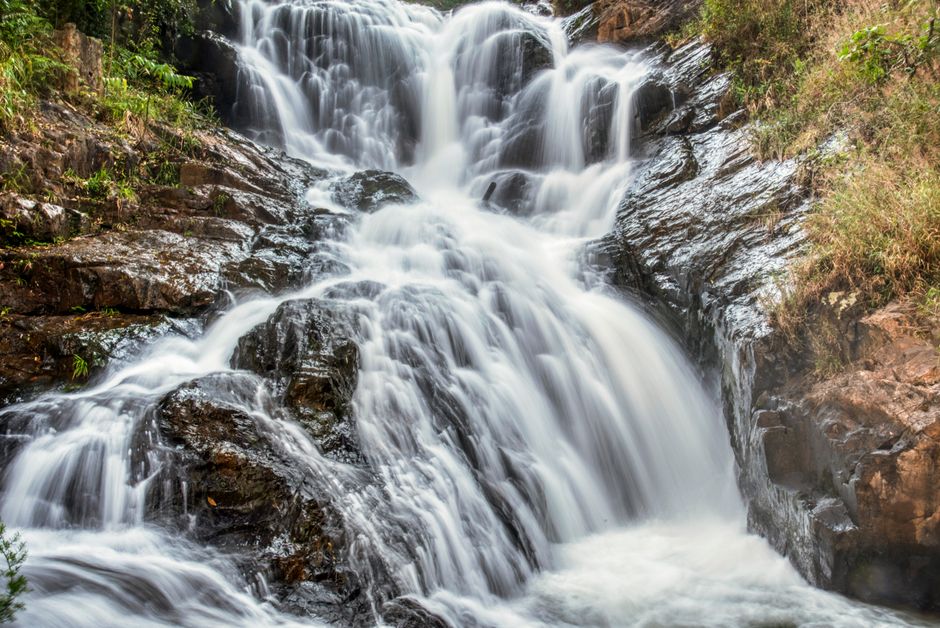
June is my pick for first-time visitors because it keeps enough water for the thunderous high-water experience while giving photographers a better chance of seeing separate cataracts, gorge walls and rainbows than they usually get during the wettest March and April weeks.
The non-negotiable
Do not book June because a brochure promises a fixed level of spray: the right plan leaves one flexible viewing block, uses a proper waterproof layer, and treats the exact opening of river activities as a safety decision made by local operators on the day.
| June timing | What you are likely to get | Best planning choice |
|---|---|---|
| June 1–7 | Stronger flow, heavier spray, wetter paths | Prioritise the main viewpoints and protect cameras |
| June 8–20 | High water with gradually improving visibility | Best balance for a first visit |
| June 21–30 | Still dramatic, often easier photography, cooler evenings | Add wildlife or river activities as flexible extras |
| Any June date | Conditions vary by rainfall upstream and daily wind | Check current flow and activity status before paying deposits |
The table is a planning guide, not a guarantee. The waterfall does not care what month is printed on your booking confirmation.
How I would build a three-day June itinerary
I would base a first trip around Victoria Falls town on the Zimbabwe side if the main goal is a long sequence of ground-level viewpoints. Then I would cross to the Zambian side for a different angle instead of trying to race across the border between two rushed tours.
A practical three-day shape
- Day one: Start at Victoria Falls National Park early, before the strongest crowds and afternoon glare. Walk the main rainforest route slowly, stopping at several viewpoints rather than treating the first overlook as the whole attraction. Return to town for a dry change of clothes, then go back late in the day if the light and wind improve.
- Day two: Visit Mosi-oa-Tunya National Park on the Zambian side if border rules, park access and river conditions fit your schedule. Allow extra time for immigration, transport and wet paths. The Knife-edge Bridge and eastern viewpoints can be spectacular, but high spray may make some sections uncomfortable or temporarily unsuitable.
- Day three: Keep this day flexible. Use it for a guided wildlife outing, a Zambezi sunset cruise, a scenic flight or a second waterfall visit. Choose only one major paid activity; stacking three weather-sensitive bookings creates a bad day when wind or river conditions change.
Where to base yourself
Choose Zimbabwe for the simplest first-time ground-viewing plan and Zambia for easy access to Livingstone, Mosi-oa-Tunya and activities connected with the upper river. Staying on one side and making one deliberate crossing is less tiring than changing hotels or crossing twice in a single day. If your passport allows it, the KAZA Univisa can simplify travel between Zimbabwe and Zambia, but eligibility and rules change, so confirm details through the official Zimbabwe eVisa guidance before departure.
What to pack for spray, cold mornings and slippery paths
Pack for a waterfall that creates its own weather, not for a normal sightseeing walk. June days can feel mild and dry away from the gorge, while the viewpoint path becomes cold, wet and slippery within minutes. I would rather carry one useful waterproof layer all day than ruin a camera, phone or passport because the morning looked sunny.
Clothing that earns its space
- A lightweight waterproof jacket with a hood. A disposable poncho is better than nothing, but it tears easily and leaves your legs and camera exposed.
- Quick-drying trousers or shorts, plus a warm mid-layer for early mornings and evenings.
- Closed walking shoes with real grip. Smooth fashion trainers become a liability on wet stone.
- One spare pair of socks in a sealed bag. Wet feet are a small problem until you still have three hours of walking left.
- A brimmed hat or cap, sunscreen and sunglasses for the dry stretches between viewpoints.
Protecting phones and cameras
Use a waterproof phone pouch for the walk, then take the phone out before shooting if condensation starts to form. Keep a small microfiber cloth in an inner pocket, not in the exposed camera bag. Zip bags are useful for passports, memory cards and batteries, but they are not a substitute for a genuinely waterproof pack. The most common mistake is opening a camera bag at the spray-heavy viewpoint and leaving it unprotected while trying to frame a rainbow.
Do not carry expensive equipment you will be afraid to use. A dry, simple camera setup beats a large kit that stays zipped away. Follow the marked path, keep behind barriers and treat slippery rocks as a real hazard; the Zimbabwe Parks visitor guidance specifically warns visitors about cliff edges and wet surfaces.
Which June activities should you skip or keep flexible?
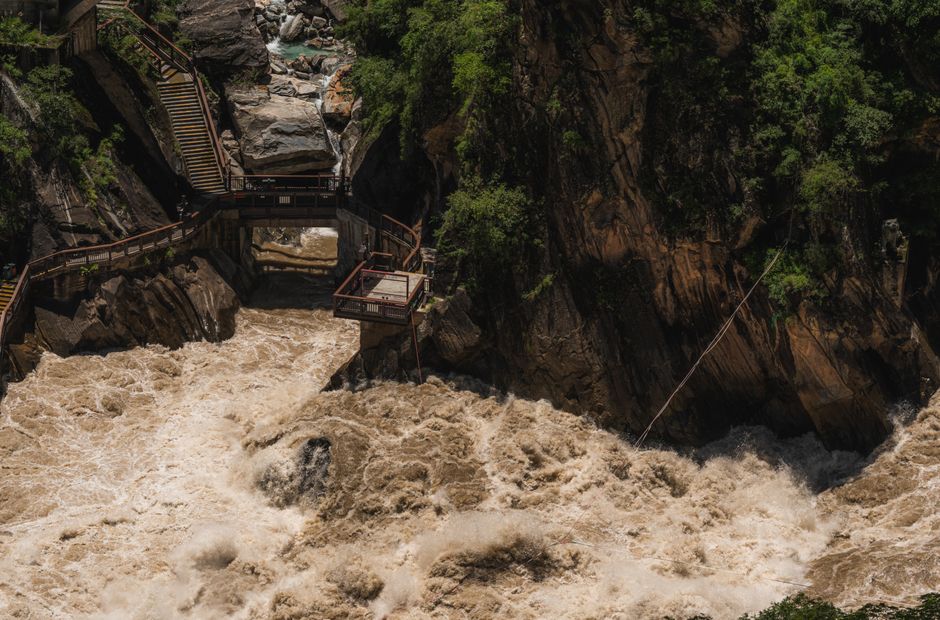
My June rule is simple: make the waterfall the fixed point and build the adventure activities around the river level. That keeps the trip satisfying even if one tour closes.
Can I swim in Devil’s Pool in June?
Do not plan your trip around it. Devil’s Pool is normally a lower-water-season activity, usually associated with roughly August through January and always subject to current safety checks. Zambia’s tourism guidance says access depends on water levels. In June, high flow can make the route unsafe or unavailable, so treat any online calendar as background information rather than a promise.
Should I visit both Zambia and Zimbabwe?
Yes, if you have at least two full days and your visa status is clear. The two sides do not produce identical views, and visiting both makes the border location part of the experience rather than a logistical annoyance. If you have only one rushed day, stay on one side and see the falls properly; a hurried crossing can cost more viewing time than it adds.
Is white-water rafting a good June bet?
Keep it optional. Rafting depends on river level, gorge conditions, operator decisions and safety restrictions, and the most reliable operating window is often later in the dry season. Book the waterfall visit first, then ask a licensed operator for the current June status. The same principle applies to flights, island trips and river cruises: reserve space only when the cancellation terms are clear.
That brings the plan back to the opening scene. In June, you may still step into a wall of spray with a useless phone screen and a soaked jacket, but with a spare viewing block, dry clothes and realistic activity plans, the surprise becomes the best part of the visit: Victoria Falls is still thundering, and now you can finally see it.