 Michael Hardy
 The best cruise I ever took cost $680 per person for 7 nights in the Caribbean. The worst one cost $1,400 per person for 5 nights — same region, similar ship class. The difference wasn’t the food, the entertainment, or the ports. It was every planning decision made in the 4 months before boarding. By the time you walk up the gangway, roughly 80% of your total trip cost is already locked in.
Here’s what actually matters — in the order it matters.
Picking the Right Cruise Line: A Straight Comparison
Most cruise guides list every line alphabetically and conclude with “it depends on your preferences.” That’s not useful. Here’s what each major line is actually built for — and who should skip it.
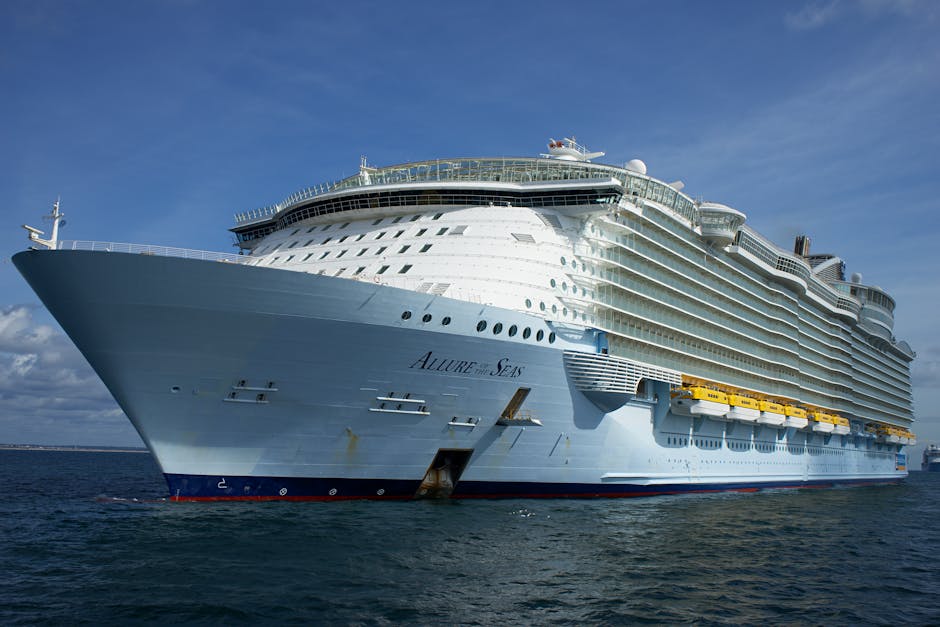
Royal Caribbean is the right call if you want the biggest ships with the most onboard activity. The Wonder of the Seas and Symphony of the Seas carry 6,000+ passengers and come equipped with rock climbing walls, surf simulators, go-kart tracks, and multiple pool decks. These ships are the destination. If you care less about the ports and more about having a full resort experience at sea, Royal Caribbean wins by a wide margin.
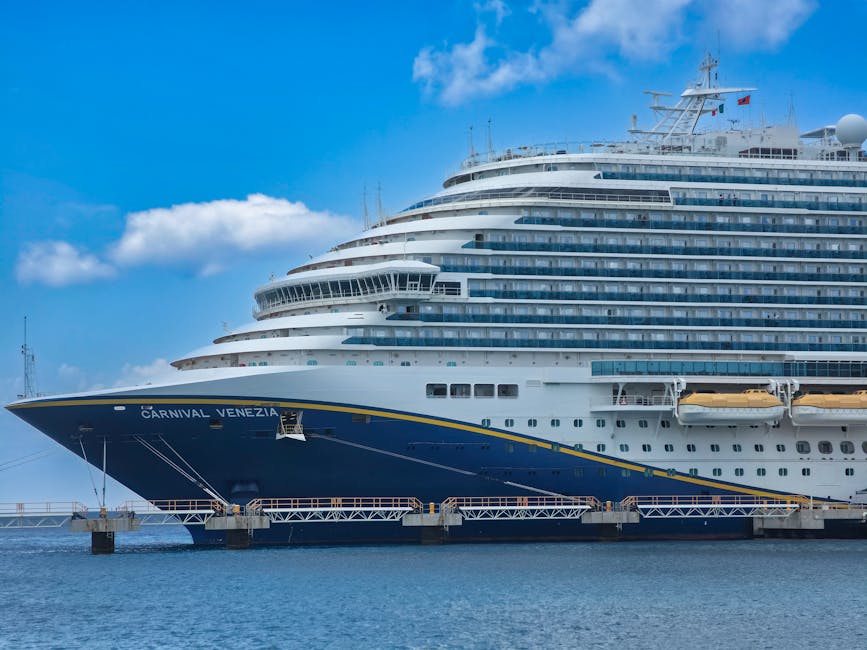
Carnival is the honest budget play. The Carnival Jubilee (launched late 2026) and Carnival Venezia both run solid Caribbean itineraries at prices that regularly undercut Royal Caribbean by $200–300 per person on comparable sailing dates. The trade-off is atmosphere — Carnival ships are louder, the crowds are younger and larger in feel, and the included dining is a step below. Not a dealbreaker. Just know what you’re buying before you book.
Norwegian Cruise Line sits in the sweet spot for couples and small groups. The Norwegian Bliss is the standout ship — clean design, good specialty restaurant selection, and Norwegian’s “freestyle” dining means no assigned dinner times. The Free at Sea promotion bundles drink packages and specialty dining credits into base fares during sale windows, which genuinely changes the total cost calculation.
| Cruise Line | Best For | 7-Night Caribbean (inside cabin, per person) | Flagship Ship | Skip If |
|---|---|---|---|---|
| Royal Caribbean | Families, activity seekers | $700–$1,100 | Wonder of the Seas | You want a quiet, port-focused trip |
| Carnival | First-timers, budget travelers | $500–$900 | Carnival Jubilee | You prioritize food quality or calm atmosphere |
| Norwegian | Couples, flexible dining schedules | $750–$1,200 | Norwegian Bliss | You want the absolute lowest base price |
| Celebrity Cruises | Adults, upscale experience | $1,100–$1,800 | Celebrity Beyond | Traveling with young children or on a strict budget |
| MSC Cruises | Mediterranean itineraries, value seekers | $600–$1,000 | MSC Seascape | You want US-style service and familiar menus |
Celebrity Beyond is the pick for adults who want genuinely good included food without paying luxury-line prices. The quality gap between Celebrity’s included dining and what Carnival or Royal Caribbean serves in their main dining rooms is noticeable. For Mediterranean itineraries specifically, MSC Magnifica punches well above its price point — and MSC’s European port selections in Greece and the Adriatic often beat what the American lines offer on comparable sailing dates.
When to Skip the Big Names Entirely
Don’t book a Royal Caribbean mega-ship if your actual goal is exploring ports in depth. When 6,000 passengers disembark at the same dock in Cozumel, every local tour operator, beach chair, and taxi fills up within an hour of arrival. Celebrity’s Millennium class ships (around 2,000 passengers) or MSC’s smaller European vessels give you a noticeably calmer port experience.
And skip ultra-luxury lines — Regent Seven Seas, Silversea, Seabourn — unless you’re comparing them to business-class flights and 5-star hotels, which is the correct comparison. At $5,000–8,000 per person for a week, they operate in a different category entirely. Great products, wrong frame of reference for most vacation budgets.
What a 7-Night Cruise Actually Costs in 2026
The advertised cabin price is roughly half of what most people actually spend. This isn’t deceptive pricing — it’s just how the industry structures costs. Every line separates out port fees, gratuities, and onboard spending. Here’s the full picture:
| Expense | Low | Mid | High | Notes |
|---|---|---|---|---|
| Cabin (per person) | $500 | $900 | $1,800+ | Inside vs. balcony vs. suite |
| Port fees and taxes | $80 | $130 | $210 | Added at checkout — not negotiable |
| Daily gratuities | $105 | $140 | $210 | $15–18/day, auto-billed to your account |
| Drink package | $0 | $490 | $700 | $70–100/day; worthwhile at 5+ drinks daily |
| Shore excursions | $100 | $300 | $600+ | Ship-booked vs. independent pricing varies widely |
| Specialty dining | $0 | $120 | $300 | $35–65 per person per meal |
| Onboard Wi-Fi | $0 | $120 | $175 | Per device, per cruise — not per day |
| Flights to embarkation port | $150 | $400 | $800+ | Varies by origin city and booking timing |
A couple booking a balcony cabin on Norwegian Bliss, adding one drink package between them, two specialty dinners, and a couple of shore excursions realistically lands at $3,400–$4,200 for the week — well above the $1,498 per couple headline number those deals advertise.
The drink package math is actually simple. A glass of wine runs $12–15 on most mainstream lines. Cocktails are $13–16. If you’ll drink fewer than 5 beverages per day combined, skip the package and pay individually. The break-even math rarely works out in the cruise line’s favor unless you’re genuinely a high-volume drinker on vacation. Norwegian’s Free at Sea deal sometimes bundles the package at a meaningful discount — that’s the only time the numbers reliably tip toward buying it.
The Cabin Decision Is Already Made Before You Realize It
Book an inside cabin for your first cruise. Full stop.
First-time cruisers consistently underestimate how little time they spend in the cabin. You’re at the pool, at dinner, at shows, at ports, at the bar. A windowless inside cabin where you sleep 7 hours costs $300–450 less per person than a balcony cabin on the same sailing. That’s $600–900 for a couple — money that funds actual experiences rather than a view you see for 20 minutes before falling asleep.
When the Balcony Upgrade Actually Pays Off
Alaska sailings. Norwegian fjords. The Inside Passage. Any route where dramatic scenery unfolds while the ship is moving — that’s when a balcony pays for itself. Watching a glacier calve from your private outdoor space on Holland America’s Koningsdam is a different experience than watching it through a porthole. For Caribbean beach loops, the upgrade is mostly wasted.
Ocean view cabins — the mid-tier with a fixed window — are consistently the worst value in the cabin hierarchy. They cost $150–200 more per person than inside cabins, and on most ships, the window faces a lifeboat or a steel deck overhang. Skip this tier entirely. Choose inside (save money) or go balcony (get something you’ll actually use).
Suite Pricing on Mainstream Lines
On Royal Caribbean’s Wonder of the Seas, a Sky Class suite with concierge service and reserved show seating runs $2,200–2,800 per person for a 7-night Caribbean sailing. For two people, that’s $4,400–5,600 for the cabin alone. The same budget spent on a balcony cabin on Celebrity Beyond — a premium line with better included food and a quieter experience — gets you a fundamentally different kind of trip, and probably a better one if your priority is the overall experience rather than bragging rights.
The Booking Windows That Determine Your Price
Cruise pricing runs on two systems that push in opposite directions. Both are real, and both produce genuine deals when used correctly.
- Book early for popular sailings. Caribbean peak season (December–March) and Alaska summer sailings (June–August) fill up 9–12 months out. Royal Caribbean’s Wonder of the Seas Christmas week departures for late 2026 are already priced and selling now. If you want a specific ship, specific date, and a balcony cabin, booking 10+ months ahead is not paranoid — it’s just how demand works on sold-out sailings.
- Book late for flexible travelers. Genuine last-minute deals appear 30–90 days before departure when ships haven’t filled. These discounts are real — often 30–40% below the original price. The catch is limited cabin selection. You’re usually choosing between inside cabins and whatever’s leftover.
- Watch wave season. January through March is when cruise lines release their most aggressive promotions — free drink packages, onboard credits, reduced deposits. Norwegian’s Free at Sea and Royal Caribbean’s Key program both run heavier discounts during this window than at any other time of year.
- Repositioning cruises are the hidden value in the whole industry. When ships move between regions — Caribbean to Europe each April, Europe back to Caribbean each October — lines discount heavily to fill one-way routes. A 14-night transatlantic crossing on Celebrity Edge regularly runs $700–900 per person. The trade-off: you need one-way flights on both ends, which erodes the savings if you’re not careful.
- Avoid holiday pricing windows. Spring break (mid-March through April), peak summer (June–August Caribbean), and Christmas to New Year’s week carry 20–40% price premiums on nearly every mainstream line compared to the same itinerary sailing 2–3 weeks earlier or later.
The best single booking window for Caribbean value: a January departure, booked the previous October. You’re in shoulder season, post-holiday pricing, and just before wave season promotions inflate demand. That combination consistently produces the best per-person rate on Caribbean 7-night sailings.
Shore Excursions: Stop Booking Through the Ship
For most ports, booking excursions directly through the cruise line means paying 40–80% more than the same activity costs from a local operator at the dock.
- A snorkeling tour at Royal Caribbean’s private island CocoCay costs $79/person through the ship. Comparable tours run by local Bahamian operators at Nassau dock: $35–45/person.
- In Cozumel, the cruise line jeep tour runs $130–145/person. Independent operators at the Punta Langosta pier charge $55–75 for comparable routes.
- In Dubrovnik on a Mediterranean itinerary, the ship’s guided walking tour is $65/person. Walking the city walls yourself costs €35 in admission — and you move at your own pace with no group of 30 people blocking your view.
- In Nassau, the ship’s Atlantis day pass runs $169/person. The same pass bought directly from Atlantis: $135.
There’s one legitimate exception: when the excursion involves long-distance transportation and the cruise line offers a guaranteed return policy. If your independently booked tour runs late and the ship leaves without you, you’re covering your own flights home. For remote activities — zip-lining in Roatán, ATV tours into the Cozumel jungle, waterfall hikes in St. Lucia — the ship’s “we won’t leave without you” coverage is worth the markup. For anything within walking distance of the dock, book independently.
Private Island Days: Budget Before You Board
Royal Caribbean’s CocoCay and Norwegian’s Great Stirrup Cay are technically included in your fare to visit — but neither is actually free once you’re there. Premium beach chair sections at CocoCay run $30–60/day. The Thrill Waterpark adds $79–109/person. Cabana rentals start at $300/day. None of this appears in the original fare. It’s fine to spend money on these things. Just budget for them in advance so the charges don’t surprise you on the final onboard statement.
The Free Port Day Is Underrated
Plan at least one port day with no booked activity. Walk the town. Find a local restaurant. Pay $4 for a taco instead of $18 at the ship buffet. Most Caribbean ports — Nassau, Grand Cayman, St. Maarten, Curaçao — have walkable town centers within 10 minutes of the dock. You don’t need to buy structured activity to have a genuinely good port day.
Cruising in 2026 covers more ground than it ever has — Antarctic expedition voyages on Ponant and Hurtigruten, Southeast Asia itineraries through Vietnam and Indonesia, and river cruises through the Mekong and Danube that bear no resemblance to the Caribbean loop most people picture. The range of what “cruise vacation” means has expanded dramatically. The people who plan well — who understand the full cost picture, pick the right ship for their actual travel style, and don’t hand 40% markups to the cruise line on every excursion — are having fundamentally different trips than those who grabbed the headline fare and figured they’d sort out the rest onboard.