 Michael Hardy
 Planning a Goa trip usually means Calangute Beach pops up first. It’s plastered across travel guides, search results, everything. Then the warnings start: ‘Too many people,’ ‘Overpriced,’ ‘Just for package tourists.’ You’re left wondering if it’s even worth the hassle, or if you should just skip it entirely for something ‘more authentic.’ This confusion is exactly the problem.
Here’s the deal: Calangute Beach is famous for a reason. It’s also infamous for reasons. The trick isn’t to avoid it, it’s to understand it. Dismissing Calangute outright is a rookie mistake, often based on outdated perceptions or visiting at the wrong time. This isn’t about finding a hidden gem; it’s about navigating a known entity efficiently. You don’t need to love it, but you need to know how to use it.
Calangute Beach: It’s Not What You Think
Everyone hears “Calangute” and immediately pictures wall-to-wall crowds, hawkers everywhere, and no space to breathe. That’s a misrepresentation, or at best, only half the story. Calangute is massive. It’s the longest beach in North Goa, stretching for miles. Yes, certain sections, particularly near the main market road, get incredibly busy. But that’s not the whole beach. Thinking Calangute is just one chaotic strip is like saying Mumbai is just one crowded railway station. It’s not. The beach adapts, and so should your strategy.
The “Overrated” Myth, Debunked
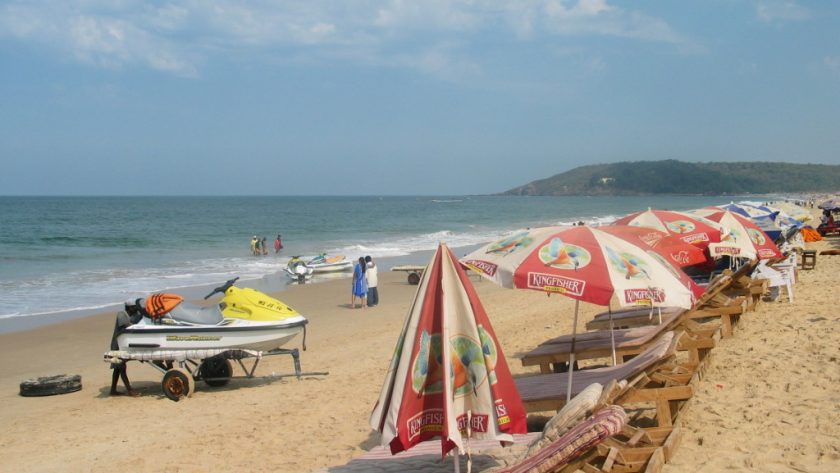
The “overrated” label usually comes from people expecting a serene, untouched paradise. Calangute stopped being that in the 1970s. It’s a commercial beach. It’s developed. It’s got infrastructure: hotels, restaurants, shops, water sports. That’s its function. It’s not overrated if you understand its purpose: a bustling, accessible hub for a classic Goa beach experience. For families, first-time visitors, or those who want everything on tap, it delivers. If you want quiet, go elsewhere. Simple as that.
Why the Crowds Exist
Crowds aren’t a flaw; they’re a symptom of accessibility and popularity. Calangute is easy to get to, offers budget and mid-range accommodation, and has a vast array of services. It’s often the first stop for tour groups and domestic travelers landing in Goa. This creates density, especially during peak season (November to February) and around major holidays like Christmas and New Year. Don’t blame the beach for doing what it’s designed to do: serve a large number of visitors efficiently. The issue isn’t the crowd itself, it’s your expectation of solitude. Adjust that, and Calangute works.
Navigating Calangute: Your Action Plan
To truly experience Calangute without the typical tourist headaches, you need a plan. Don’t just show up and expect magic. This is about smart travel, not blind luck. Understand the rhythms of the beach and you’ll find pockets of calm, even amidst the bustle. It’s about strategic timing and knowing where to position yourself. This isn’t a complex operation; it’s just basic common sense applied to a popular destination.
Best Times to Visit (and Avoid)
Peak Season (November-February): Avoid midday. Seriously. From 11 AM to 4 PM, it’s a zoo near the main access points. Instead, hit the beach before 9 AM for peaceful walks and sunrise views. Come back after 4 PM for sunset. Evenings are lively but manageable. If you must be there during peak hours, walk further north towards Baga or south towards Candolim – the crowds thin out considerably within a 15-minute walk from the main Calangute roundabout.
Shoulder Season (March, October): This is arguably the sweet spot. Less intense crowds, slightly lower prices, and still excellent weather. You get more space. Avoid the monsoon (June-September) unless you’re specifically seeking a different, rain-soaked Goa experience. Most shacks are closed then anyway.
Getting Around: Taxis, Scooters, or Walk?
Forget walking long distances in the heat. It’s just not practical. For short hops along the main Calangute-Baga-Candolim road, you have options.
- Scooters (Rentals): This is your best bet for independence. Expect to pay around INR 300-500 per day for a Honda Activa or similar. Bargain hard. Always wear a helmet. Police do fine, and accidents happen. Don’t cheap out on fuel – fill up at proper petrol pumps, not roadside bottles.
- Taxis: Overpriced. Always. Expect flat rates for short distances, often INR 150-250 for a 2km ride. For longer trips, negotiate aggressively or use ride-hailing apps like Goa Miles (though availability can be spotty).
- Walking: Fine for beach strolls or between adjacent shacks. Not for getting from your hotel to the market if it’s more than 10 minutes. The heat and traffic make it unpleasant.
Eating & Drinking: Beyond the Obvious
Calangute has hundreds of places to eat. Most beach shacks serve decent, if uninspired, fare: Goan curries, fresh seafood, pasta, pizzas. Prices are reasonable, typically INR 500-800 for a meal with a drink. Don’t expect Michelin stars. For genuinely good food, you often need to step off the beach.
- Shacks: Pick one that looks clean and has a decent crowd. Try Victor’s or Souza Lobo for established names, but many smaller ones are perfectly fine.
- Restaurants off the beach: Look for places on the main roads like Infantaria for breakfast and baked goods, or Chelsea Beach Shack for reliable seafood a bit further from the core chaos. Don’t be afraid to try a local thali joint for cheaper, authentic Indian food away from the tourist strips.
Essential Calangute Experiences: Skip the Fluff
You’re here, so do something. Don’t just sit there lamenting the crowds. Calangute offers classic beach activities. Focus on what’s good, ignore the rest. This isn’t a place for introspection; it’s a place for activity or simple relaxation, depending on your goal.
Water Sports: What’s Legit, What’s Not
Calangute is a hub for water sports. They’re everywhere. Prices are generally standardized, but always confirm before you agree. Bargaining is expected, especially if you’re doing multiple activities. Don’t pay full price upfront.
- Parasailing: A classic. Expect around INR 800-1200 for a 5-10 minute ride. Offers great views.
- Jet Skiing: Quick, adrenaline-filled. INR 500-800 for a short ride. You’ll likely have an instructor with you.
- Banana Boat/Bumper Ride: Fun for groups. INR 300-500 per person. Expect to get wet, potentially tossed off.
- Avoid: Anything that looks suspiciously cheap or unregulated. Stick to the main operators with visible life jackets and proper equipment.
Shopping Smart: Avoid Tourist Traps
The main Calangute market road is full of shops selling everything from souvenirs to beachwear. Most of it is mass-produced. If you want something genuinely unique, look elsewhere. For practical items, it’s fine. For anything else, be discerning.
- What to Buy: Beach sarongs (INR 200-500), basic flip-flops, local cashew nuts (look for reputable stores, not roadside vendors), Feni (local liquor, buy from licensed shops).
- What to Ignore: “Designer” knock-offs, cheap jewelry that will tarnish immediately, overly aggressive touts trying to sell you anything. Walk away if you feel pressured.
- Better Alternatives: For better quality and more unique items, head to the Saturday Night Market at Arpora (seasonal) or the Anjuna Flea Market (Wednesday, seasonal).
Evening Vibes: Shacks, Music, and Sunsets
Evenings on Calangute are about the atmosphere. The shacks light up, music starts, and it’s generally a good vibe. Grab a beer, some seafood, and watch the sunset. It’s simple, but effective.
- Sunset Spots: Any shack with an unobstructed view of the horizon. The further you walk from the main entrance points, the less crowded your sunset view will be.
- Music: Expect a mix of Bollywood, pop, and some live music at larger shacks. It’s usually background noise, not a full-on concert.
- Dining: Stick to grilled fish and prawns – they’re generally fresh and well-prepared. Prices go up slightly in the evening.
Calangute vs. Its Neighbors: Where to Anchor Your Trip?
Calangute isn’t an island. It’s part of a larger coastal strip, each beach with its own personality. Understanding the differences is crucial for picking your base or deciding where to day-trip. Don’t just default to Calangute because it’s famous. It’s a spectrum, not a single option.
| Beach Name | Vibe & Main Attraction | Crowd Level (Peak Season) | Best For | Typical Cost (Shacks/Food) |
|---|---|---|---|---|
| Calangute Beach | Bustling, commercial, all-rounder | High (main areas) | First-timers, families, easy access to everything | Mid-range (INR 500-800/meal) |
| Baga Beach | Party, nightlife, water sports hub | Very High | Younger crowd, party-goers, late nights | Mid-range to High (INR 700-1000+/meal) |
| Candolim Beach | Relaxed, slightly upscale, quieter | Medium | Couples, those seeking comfort without chaos | Mid-range (INR 600-900/meal) |
| Anjuna Beach | Bohemian, trance, Wednesday Flea Market | Medium to High (market day) | Backpackers, alternative scene, market lovers | Budget to Mid-range (INR 400-700/meal) |
| Vagator Beach | Clifftop views, more serene, rave culture | Medium | Scenic views, chill vibe, music lovers | Mid-range (INR 600-900/meal) |
Baga Beach: The Party Hub
Right next to Calangute, Baga is where the party escalates. Think more crowded shacks, louder music, and a focus on nightlife. Titos Lane is the epicenter of clubs and bars. If you want to dance until 3 AM, Baga is your spot. Expect higher prices and more aggressive touts than Calangute. It’s for a specific energy. Don’t go there for a quiet evening.
Candolim Beach: The Quieter Alternative
South of Calangute, Candolim offers a distinctly calmer atmosphere. It’s still developed but feels less frenetic. The shacks are more spread out, and the crowd tends to be a bit older or families seeking a more relaxed pace. You get the same amenities as Calangute but with less noise. This is often a good compromise if Calangute feels too much but you still want easy access to North Goa.
Anjuna & Vagator: The Bohemian Edge
Further north, Anjuna and Vagator shift the vibe entirely. Anjuna is famous for its Wednesday Flea Market and a more bohemian, backpacker feel. Vagator, with its dramatic red cliffs and more secluded coves, has a reputation for trance parties and a chill atmosphere. These are for travelers who prioritize unique experiences and a distinct cultural scene over mainstream amenities. Don’t expect the same level of comfort or immediate access to everything you find in Calangute.
Common Calangute Headaches: Solved
Every popular destination comes with its quirks. Calangute is no exception. Knowing the common issues and how to tackle them makes your visit smoother. Don’t be caught off guard; anticipate and prepare. It’s about being informed, not paranoid.
Is Calangute safe for solo female travelers?
Generally, yes, but exercise common sense. Calangute is very tourist-heavy, which means safety in numbers during the day and early evening. However, late at night, especially after 11 PM, stick to well-lit areas. Avoid deserted stretches of beach. Don’t accept drinks from strangers. Use reputable taxi services if you’re out late. Many solo female travelers visit Calangute without issue, but awareness is key. This isn’t unique to Calangute; it’s standard travel advice anywhere.
How much should a Calangute trip cost, daily?
This varies wildly, but here’s a realistic breakdown for a mid-range traveler:
- Accommodation: INR 1500-3000 for a decent guesthouse or 3-star hotel.
- Food: INR 800-1500 per day (breakfast, lunch at a shack, dinner at a slightly nicer restaurant).
- Transport (Scooter Rental + Fuel): INR 500-700 per day.
- Activities (e.g., one water sport): INR 500-1000 if you do one per day.
Total Daily Estimate: Expect to spend around INR 3000-6000 ($35-$70 USD) per person for a comfortable, mid-range experience. You can do it cheaper, but quality drops. You can spend much more, easily.
What about the garbage problem often mentioned?
Goa, like many popular destinations, faces challenges with waste management. Calangute, due to its visitor numbers, can sometimes show it. You might see plastic bottles or general litter, especially early mornings before the beach cleaning crews get to work, or after a particularly busy night. The government and local authorities are making efforts, but it’s a persistent issue. It’s not omnipresent filth, but it’s there. Manage your expectations. It shouldn’t ruin your trip, but don’t expect pristine, untouched sand everywhere. Use dustbins, don’t litter yourself. Be part of the solution.