 Michael Hardy
 I’ve been traveling through Indonesia on and off for the last six years. My first trip was the standard route — Bali, Gili Islands, a quick stop in Yogyakarta. It was fine. But it wasn’t until I ditched the guidebook and started asking locals where they’d go on a weekend that I found the real Indonesia. The one that makes you cancel your flight home.
This list isn’t about sunset cocktails in Seminyak. It’s about the things I’d actually do again, the places that left me speechless, and the mistakes I made so you don’t have to.
1. The One Mistake Almost Everyone Makes (And How To Avoid It)
Here’s the thing nobody tells you: Indonesia is huge. It’s not an island, it’s an archipelago of over 17,000 islands. Trying to do Java, Bali, Lombok, and Sumatra in two weeks is a recipe for spending your entire vacation on a plane or a ferry.
I did this. I spent 14 days hopping between five islands. I saw more airport terminals than temples. By day 10, I was exhausted, sunburnt, and genuinely annoyed that I’d spent $400 on internal flights just to check boxes.
The fix: Pick one region and stay there. If you have 10-14 days, choose either Java + Bali or Sumatra + Lake Toba. That’s it. You’ll see more, spend less, and actually relax.
Another mistake? Booking everything in advance. Indonesia’s infrastructure is fluid. Ferries get cancelled, roads get washed out. I now book my first 2-3 nights, then figure the rest out once I’m there. It’s saved me more than once.
2. Komodo National Park: Worth The Hype, But Do It Right
I was skeptical about Komodo. “Just big lizards?” I thought. Then I stood five meters from a dragon that had taken down a water buffalo the day before. I’ve never felt smaller.
Komodo National Park is one of the few places on earth where you’re genuinely not at the top of the food chain. The rangers carry wooden sticks with a forked end — that’s it. No guns. No tranquilizers. Just a stick and decades of knowing exactly how close is too close.
How to visit without the crowds
Most tourists do the day trip from Labuan Bajo. It’s fine, but you’ll be on a boat with 30 other people, rushing through the trek. Instead, take a liveaboard tour. I booked a 3-day, 2-night trip with Wicked Komodo Tours ($350 per person, including meals and snorkeling gear).
You get to see the dragons at sunrise — when they’re most active — and you also hit the best snorkeling spots around Padar Island and Pink Beach. Manta rays, sea turtles, healthy coral. The boat sleeps about 12 people. It’s basic but clean.
What to avoid
Don’t touch the dragons. Obvious, yes, but I watched a guy try to get a selfie within arm’s reach. The ranger yelled at him in three languages. Also, don’t wear red — Komodo dragons can see color and red triggers their prey drive. I wore a dark blue shirt and was fine.
3. Raja Ampat: The Best Diving You’ve Never Heard Of
If you dive or snorkel, Raja Ampat is non-negotiable. It’s consistently ranked as having the highest marine biodiversity on the planet. More fish species than the entire Caribbean. More coral species than anywhere else.
Getting there is a pain. You fly to Sorong (from Jakarta or Makassar), then take a 2-hour speedboat to your resort or liveaboard. But that’s the point — the difficulty filters out 90% of tourists.
Liveaboard vs. resort
I’ve done both. Here’s the breakdown:
| Option | Cost (per person, 5 days) | Pros | Cons |
|---|---|---|---|
| Liveaboard (e.g., Samambaia) | $1,200 – $1,800 | Access to remote dive sites, all-inclusive, 3-4 dives/day | Small cabin, no land time, seasickness risk |
| Resort (e.g., Raja Ampat Dive Lodge) | $800 – $1,200 | Private room, land excursions, better food | Limited to nearby sites, fewer dives per day |
I preferred the liveaboard. The Samambaia boat is a traditional Phinisi schooner, beautifully restored, with 8 cabins. The dive sites at Misool and Wayag are world-class — I saw a wobbegong shark, pygmy seahorses, and a school of barracuda so dense it blocked the sun.
If you don’t dive, you can still snorkel. The house reef at Kri Island is accessible from the shore and has better visibility than most Caribbean dives I’ve done.
4. Yogyakarta: The Cultural Heart That Bali Used To Be
Bali is overrun. Ubud’s main street is a traffic jam of scooters and Instagrammers. Yogyakarta (often called Jogja) feels like Bali did 20 years ago — before the villas and the vegan cafes.
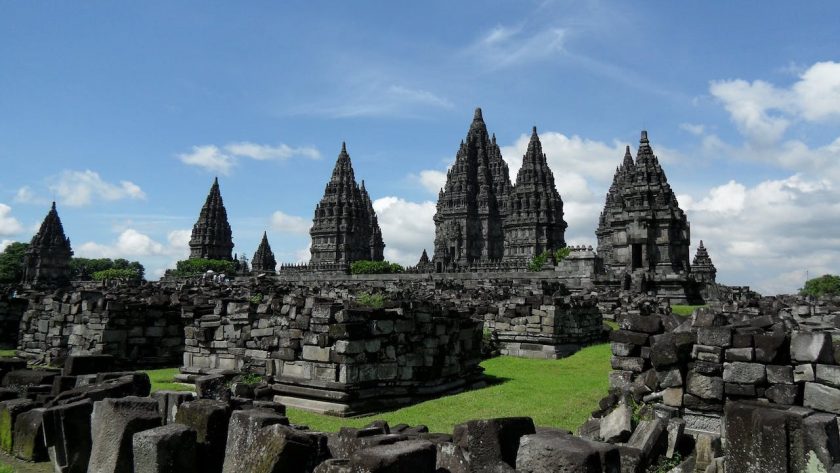
This is the cultural center of Java. It’s where you find Borobudur (the largest Buddhist temple in the world) and Prambanan (a stunning Hindu temple complex). Both are UNESCO sites. Both are worth waking up at 4 AM for.
Sunrise at Borobudur
I booked the sunrise tour through my guesthouse ($40, including transport, entrance, and a guide). We left at 3:30 AM. The temple is pitch black when you arrive. Then the sun comes up over the misty rice fields, and the stupas glow orange. I’m not a spiritual person, but I sat there for 30 minutes without saying a word.
Pro tip: Buy the Borobudur Climb ticket ($25) which lets you walk up to the top levels. The standard ticket only lets you walk around the base. Most people don’t know this.
Where to eat in Jogja
Skip the tourist restaurants on Malioboro Street. Walk to Gudeg Yu Djum for the city’s signature dish — jackfruit cooked in coconut milk and palm sugar. It’s sweet, savory, and costs about $1.50. I ate there three times.
5. Mount Bromo: The Most Dramatic Sunrise On Earth
I’ve watched sunrise from Machu Picchu, Angkor Wat, and the Grand Canyon. None of them hit like Bromo.
Mount Bromo is an active volcano in East Java. The standard tour starts at midnight from Malang. You drive to Penanjakan viewpoint (2,770 meters), wait in the cold, and watch the sun illuminate a landscape that looks like the surface of Mars. The volcano is smoking. The sand sea below is gray and desolate. It’s surreal.
The practical stuff
I booked a private tour with Bromo Java Adventure ($60 per person, including jeep, entrance fees, and guide). The jeep is a colorful Toyota Land Cruiser from the 1980s — they’re all painted neon colors, which is part of the charm.
Bring a winter jacket. I’m not kidding. It’s 5-10°C at the viewpoint before sunrise. I wore a fleece and was still shivering. Also, bring a face mask — the ash from the volcano gets everywhere.
Don’t skip the crater walk. After sunrise, the jeep takes you to the base of Bromo. You walk up 250 steps to the crater rim. You can hear the mountain rumbling beneath you. It’s active — last major eruption was 2016. I stood there for 10 minutes, just listening.
6. Tana Toraja: The Most Unique Funeral Culture In The World
This one’s not for everyone. But if you want to understand Indonesia beyond the beaches, go to Tana Toraja in South Sulawesi.
The Torajan people have a funeral culture that’s unlike anything else. They keep the deceased in their homes for months or even years while they save up for a proper ceremony. Then they hold a multi-day funeral with buffalo sacrifices, elaborate coffin houses, and cliffside burial caves.
I attended a funeral in Rantepao. It was loud, chaotic, and deeply moving. The family killed 12 buffalo (each costs $1,000-$3,000). The meat was distributed to the community. The deceased’s coffin was carried up a cliff and placed in a cave alongside generations of ancestors.
How to do it respectfully
You need a local guide. I used Toraja Trekking Guide ($50 for a full day). They’ll explain the customs, translate, and make sure you’re not being intrusive. Don’t take photos without asking. Don’t touch anything. And if you’re offered food, accept it — it’s a sign of respect.
This is not a tourist show. These are real funerals. The families welcome visitors because it’s part of their tradition to host guests, but you need to be quiet, observant, and grateful.
7. Lake Toba: The Volcano That Created A Sea
Lake Toba is a massive volcanic crater lake in North Sumatra. It’s about 100 kilometers long and 500 meters deep — it’s actually a supervolcano caldera. The eruption 74,000 years ago was one of the largest in Earth’s history.
In the middle of the lake is Samosir Island, where the Batak people live. It’s quiet, cool (about 20-25°C year-round), and feels completely disconnected from the rest of Indonesia.
I spent four days on Samosir. I rented a scooter ($5/day) and drove around the island, stopping at traditional Batak houses with their distinctive curved roofs. I ate grilled fish from a roadside stall for $2. I swam in the lake — it’s freshwater, clean, and surprisingly warm.
Where to stay
Carolina Cottages is the best budget option ($15/night for a lakefront bungalow). It’s basic — cold water, mosquito nets, no AC — but the view is unbeatable. For something nicer, Mas Cottage ($35/night) has hot water and a restaurant.
Don’t stay in the main town of Parapat. It’s grimy and loud. Take the ferry directly to Samosir (30 minutes, $1).
8. The Gili Islands: Which One Should You Actually Pick?
Everyone asks me which Gili island is best. The answer depends entirely on what you want.
- Gili Trawangan (Gili T): Party island. Loud bars, DJ sets, drunk Australians. I went there once, left after one night. Only go if you want to dance until 4 AM.
- Gili Air: The sweet spot. Quiet enough to relax, but with enough restaurants and bars to keep you entertained. Best for couples and solo travelers who want a balance. I stayed at Bale Sampan ($40/night) — a small guesthouse with a pool and a hammock on the beach.
- Gili Meno: Dead quiet. Honeymooners and people who genuinely want to do nothing. There’s one main road, a few restaurants, and a turtle sanctuary. I found it boring after two days.
My pick: Gili Air. It’s the most livable. Rent a bike ($3/day), cycle the island in 30 minutes, snorkel off the east coast at sunrise. The water is clear enough to see turtles from the shore.
9. When To Skip Indonesia Altogether
I’m going to be honest: Indonesia is not for everyone. And certain times of year will ruin your trip.
Rainy season (November to March) is brutal. I traveled through Java in January and spent three days stuck in a homestay because the roads were flooded. The rain isn’t a drizzle — it’s a wall of water that lasts for hours. Ferries get cancelled. Flights get delayed. If you only have two weeks, don’t risk it.
Ramadan (dates vary) is also tricky. Restaurants close during the day. Public transport runs on reduced schedules. If you’re not Muslim, you can still find food in tourist areas, but the atmosphere is subdued. I actually enjoyed the quiet, but I wouldn’t recommend it for a first-timer.
If you hate humidity, skip the lowlands. Jakarta is a swamp. I’ve sweat through my shirt before 8 AM. Stick to the highlands — Bandung, Malang, Lake Toba, or the mountains of Flores.
10. The Budget Breakdown: What It Actually Costs
Here’s what I spent on a 14-day trip covering Java, Bali, and Komodo. This is for a mid-range traveler — private rooms, decent food, no luxury resorts.
| Category | Cost (USD) | Notes |
|---|---|---|
| Internal flights (3) | $180 | Jakarta-Lombok, Lombok-Labuan Bajo, Labuan Bajo-Bali |
| Accommodation (13 nights) | $260 | Average $20/night for private rooms on Booking.com |
| Food & drinks | $210 | $15/day — local warung meals ($3-5) plus a few nicer dinners |
| Komodo tour (3 days) | $350 | Liveaboard with Wicked Komodo Tours |
| Bromo sunrise tour | $60 | Private jeep + guide |
| Borobudur sunrise | $40 | Transport + entry + guide |
| Misc (scooter rental, tips, SIM card) | $60 | SIM card at airport: $10 for 30GB |
| Total | $1,160 | Excluding international flights |
You can do it cheaper if you stay in dorms ($5-8/night) and eat street food. I’ve done trips for $600. But for a comfortable, memorable vacation, budget $1,000-$1,500 for two weeks.
11. The Verdict: My Three Picks For Your First Trip
If you’re overwhelmed, here’s where I’d start:
- For culture and history: Yogyakarta + Borobudur. 4 days. You’ll see temples, eat incredible food, and experience Java without the crowds.
- For adventure and nature: Komodo National Park + Flores. 7 days. Dragons, diving, and landscapes that look like another planet.
- For the complete experience: Java loop (Jakarta → Yogyakarta → Bromo → Bali). 14 days. You hit the highlights without rushing.
Indonesia rewards the patient. The people who skip the Instagram spots and take the local bus. The ones who say yes to the homestay invitation. The ones who sit on a dock at 6 AM and watch the fishing boats come in.
That’s where the real Indonesia lives. Go find it.