 Michael Hardy
 You arrive in Sweden expecting one enormous national street party. Instead, Stockholm feels quieter than expected, restaurants have limited hours, and the celebration you wanted sits in a village several hours away. That surprise costs travelers time and money every June.
The biggest misconception is simple: Midsummer in Sweden is not one single festival. It is a nationwide holiday made up of family gatherings, public dances, village ceremonies, restaurant events, and outdoor meals. In 2026, Midsummer Eve falls on Friday, June 19, followed by Midsummer Day on Saturday, June 20. Pick the right setting before you book transport, and the holiday becomes much easier to enjoy.
When is Midsummer in Sweden and what actually happens?
Is Swedish Midsummer always on June 21?
No. Swedish Midsummer Eve always falls on a Friday between June 19 and June 25. The date follows the calendar rule for the holiday rather than the exact astronomical summer solstice. In 2026, the main celebration takes place on June 19, with many activities continuing on June 20.
That timing affects your whole trip. Shops, museums, restaurants, and transport services often run holiday schedules. Rural accommodation can sell out months in advance because many Swedish families travel to summer cottages. If you want to attend a public event, check its date and opening hours instead of assuming that every celebration happens on Saturday night.
What do Swedes do on Midsummer Eve?
People decorate and raise a flower-covered midsommarstång, then dance around it while singing songs such as Små grodorna, the little frogs. Guests often wear flower crowns, play outdoor games, and eat a long lunch of pickled herring, new potatoes, sour cream, dill, bread, and strawberries. Adults may drink beer or snaps, but the meal matters as much as the dancing.
The seven-flower pillow custom belongs to folklore, not a promise that a dream will reveal your future spouse. A person traditionally picks seven different flowers in silence and places them under the pillow. Modern celebrations mix this old belief with family games, music, swimming, and late-night conversation. The best verdict for first-time visitors: treat Midsummer as a community meal with music, not as a ticketed concert.
Which Swedish destination gives you the right Midsummer?
Choose the setting before choosing the city
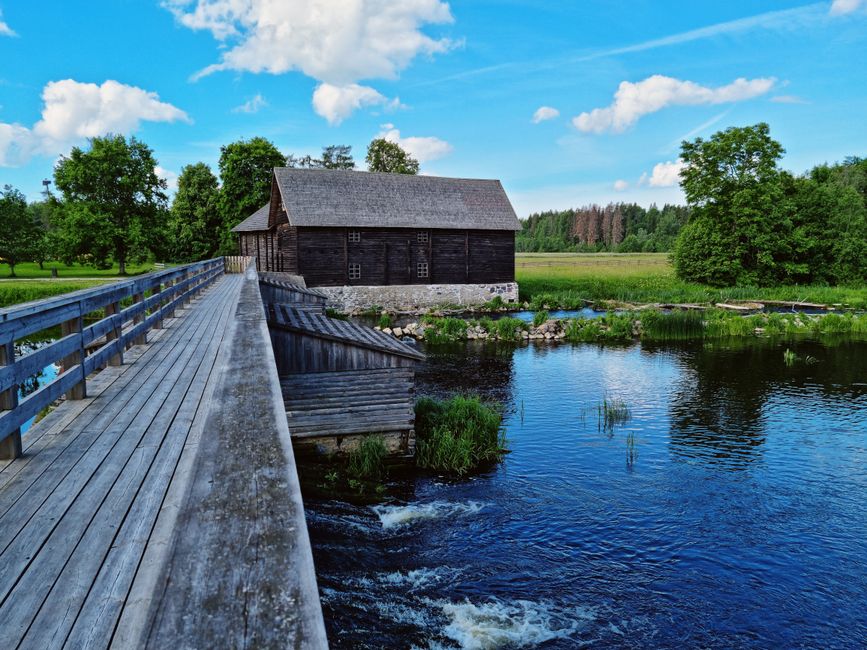
The most authentic choice depends on the kind of memory you want. Dalarna gives you the strongest traditional imagery, Stockholm gives you reliable public access, Gothenburg adds a coastal setting, and Swedish Lapland offers unusual light rather than the classic village atmosphere.
| Destination | Best for | What you will see | Main trade-off |
|---|---|---|---|
| Leksand, Dalarna | Traditional Swedish Midsummer | Folk costumes, fiddlers, church boats, a large maypole, and ring dances | Accommodation and transport fill quickly |
| Skansen, Stockholm | First-time visitors without a private invitation | Public dancing, crafts, music, flowers, and an open-air museum setting | Large crowds and an admission fee |
| Slottsskogen, Gothenburg | Families and city travelers | Park celebrations, singing, games, and easy tram access | Less rural than Dalarna |
| Gothenburg Archipelago | Sea views and a slower weekend | Island villages, seafood, granite shorelines, and local gatherings | Ferries require careful planning on a holiday weekend |
| Riksgränsen or Swedish Lapland | Midnight sun and unusual scenery | Bright night skies, mountain views, and outdoor activities | It feels more adventurous than traditional |
My clear pick for different travelers
Choose Leksand if the maypole, folk music, and regional traditions matter most. Choose Skansen if you are traveling alone, visiting Stockholm, or need a public event that does not require a local invitation. Gothenburg wins for travelers who want a city base with quick access to the sea.
Do not book Lapland simply because the sun barely sets. The light is spectacular, but the experience may include more hiking and outdoor adventure than communal dancing. Dalarna remains the strongest overall choice for a traveler who wants the postcard version of Swedish Midsummer.
How can visitors join a public celebration without looking lost?
The practical plan
A public celebration needs less cultural knowledge than good timing. Follow this order:
- Confirm the date and venue. Public events may take place on Midsummer Eve, the day before, or several days around the holiday. Read the local organizer’s page before booking a hotel.
- Arrive before the maypole ceremony. The pole raising often marks the main moment of the day. Arriving late can leave you outside the best viewing area.
- Bring a picnic or buy food early. Herring, potatoes, strawberries, bread, and soft drinks may sell out at small events. Rural stores can close or keep short hours.
- Wear practical summer clothes. Pack a light waterproof layer, comfortable shoes, sunscreen, and insect repellent. Swedish June weather can move from warm sunshine to cold rain within hours.
- Join the dances when people invite the circle. You do not need to know every Swedish lyric. Watch the first round, copy the movements, and let children set the pace.
- Plan your return before drinking. Late buses and ferries run less often during a public holiday. Save the final departure in your phone and keep enough battery for navigation.
Mistakes that ruin the day
Do not pick flowers from private gardens, assume every restaurant serves a Midsummer menu, or treat a village ceremony as a performance staged only for tourists. Many events rely on volunteers and welcome guests who behave like participants rather than spectators.
Also avoid packing the day with several distant attractions. A Midsummer event often takes longer than its advertised program because people eat, talk, sing, and wait for the next dance. The best first-timer strategy is one celebration, one nearby meal, and one flexible evening.
What should you book for a 2026 Midsummer trip?
My recommendation: pay for access in Stockholm, not for a packaged Midsummer tour
If you lack a private invitation, Stockholm offers the simplest plan. Book accommodation near a public transport connection, reserve your main event, and keep the rest of the day open. A packaged tour can remove planning work, but it may also lock you into a rushed schedule and a generic meal. For most independent travelers, buying a venue ticket and using local transport gives better control.
Skansen is the clearest paid option in the capital. Its summer adult admission is listed at SEK 285, with children aged four to fifteen listed at SEK 85. The ticket covers the open-air museum, the Baltic Sea Science Centre, and the children’s zoo, so it works better for families than a short evening concert. Buy ahead because summer crowds can slow entry.
Use transport products only when their numbers fit your plan
The SL 24-hour ticket costs SEK 180 for an adult and makes sense if you will combine the metro, buses, trams, commuter trains, and some local ferry travel around Stockholm. It does not automatically solve long-distance travel to Dalarna, so do not confuse a city pass with an intercity ticket.
In Gothenburg, a Västtrafik Zone A single ticket costs SEK 38 and remains valid for 90 minutes. It covers the city’s buses, trams, and boats within the zone, which makes a park-and-archipelago plan practical. Buy through the Västtrafik To Go app or tap a contactless card where accepted. Check the current fare before departure because regional prices can change.
Skip all three paid options if your plan is a free village event within walking distance of your accommodation. The mistake is not choosing the wrong brand; it is paying for transport or admission you will not use. For a city weekend, my verdict is Skansen plus an SL ticket in Stockholm, or Västtrafik single tickets in Gothenburg when your movements stay inside Zone A.
Which Midsummer celebration should you choose?
The shortest honest answer
Choose Dalarna for tradition, Stockholm for certainty, Gothenburg for the coast, and Lapland for the midnight sun. None of these options recreates a private Swedish summer cottage, but each solves a different visitor problem.
Travelers often distrust destination guides that call every place equally authentic. They should. A crowded museum event and a small village dance offer different experiences, and a remote northern trip can cost more while delivering fewer classic rituals. Match the destination to the experience you actually want, then build the trip around the holiday timetable.
Final comparison for your booking decision
| If you want… | Book… | Why it wins | Avoid it when… |
|---|---|---|---|
| The classic Swedish picture | Leksand or another Dalarna village | Strongest mix of folk music, costumes, maypole traditions, and local history | You need last-minute rooms or simple city transport |
| The safest first visit | Skansen in Stockholm | Clear public access, reliable facilities, and a full cultural setting | You dislike crowds or admission fees |
| A sea-focused holiday | Gothenburg and its archipelago | Easy city logistics combined with islands, seafood, and coastal light | You want a deep rural tradition |
| Something genuinely unusual | Riksgränsen or Swedish Lapland | Midnight sun, mountains, and an outdoor version of Midsummer | You mainly want folk dancing and village ceremonies |