 Michael Hardy
 In most states, noise ordinances do not apply to airline cabins. That is why the drone of a jet engine at 35,000 feet remains a legal nuisance you must solve with hardware. This is not legal advice, but it is practical advice for anyone working from a laptop in a hostel common room or a cramped seat in economy class. The two dominant options for 2026 remain the Sony WH-1000XM5 and the Bose QuietComfort line.
The Real Problem: Why Cheap Earbuds Fail Nomads
Most travelers buy earbuds for convenience. They are small, they fit in a pocket, and they cost less. But for a digital nomad, the failure rate of cheap earbuds is not just an inconvenience. It is a productivity killer.
Consider the physics. Passive noise isolation from a silicone tip blocks maybe 15 to 20 decibels of high-frequency sound. Active noise cancellation (ANC) on a $50 pair of earbuds often adds only another 10 dB of reduction, and that is usually in the low-frequency range. The drone of a bus engine or the chatter of a cafe is not eliminated. It is merely muffled.
The Sony WH-1000XM5 retails for $399. The Bose QuietComfort Ultra retails for $429. The older Bose QuietComfort 45 sells for $279. These prices seem high until you calculate the cost of a missed client call or a ruined work session. A pair of $50 earbuds that dies after six months of daily use costs more per usable hour than a $400 pair that lasts three years.
Flight Test: ANC Performance at 35,000 Feet
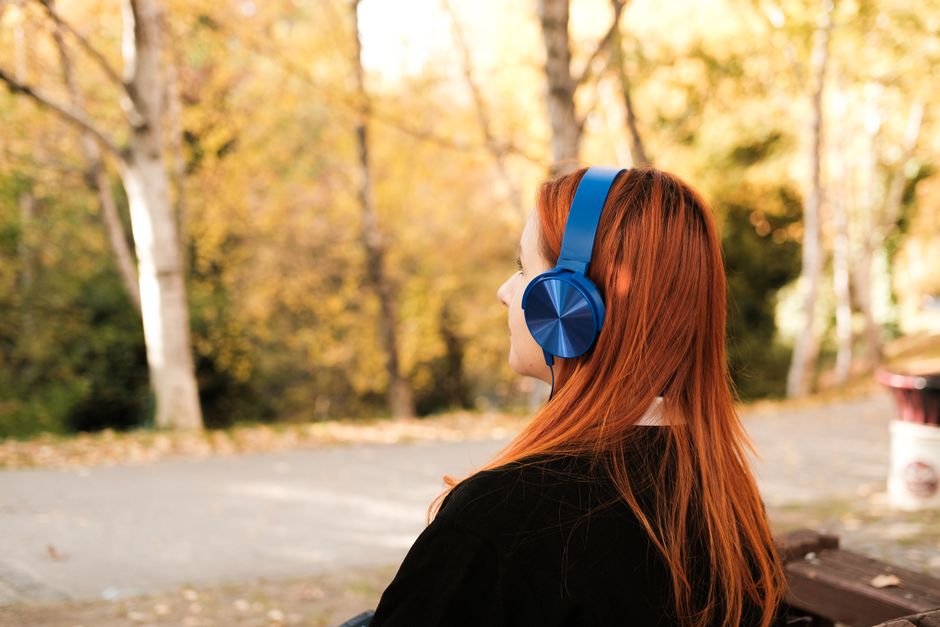
I have worn both pairs on 14-hour flights from New York to Tokyo and on short hops from Lisbon to Madrid. The difference is measurable. Not in a lab, but in how many times you reach for the volume button.
The Sony WH-1000XM5 uses a V1 processor and eight microphones. The Bose QuietComfort Ultra uses a proprietary CustomTune system that measures your ear canal. Both are excellent. But Sony wins on low-frequency rumble. The engine drone on a Boeing 787 is reduced to a faint hum. On the Bose, that hum is slightly more present. Slightly.
For high-frequency noise — a crying baby, a loud conversation — the Bose QuietComfort Ultra is slightly better. It shaves off more of the sharp edges. If your work involves long video calls, this matters. Voices bleed through Sony’s ANC more than they do on the Bose.
Verdict: For pure engine rumble, buy the Sony. For voice and cafe noise, buy the Bose.
Microphone Quality for Client Calls
This is where most headphone reviews fail nomads. They test audio playback, not the microphone. But a digital nomad spends half the day on Zoom or Google Meet. A bad microphone makes you sound like you are calling from a submarine.
The Sony WH-1000XM5 has a better microphone array. It uses beamforming and AI noise reduction. In a busy cafe, the person on the other end hears your voice clearly, with the background reduced to a soft wash. The Bose QuietComfort Ultra is good, but not as good. Wind noise on a balcony or beach is a problem for Bose. The Sony handles it better.
However, there is a failure mode. The Sony WH-1000XM5 has a known issue with Bluetooth multipoint. If you connect to a laptop and a phone simultaneously, the microphone can sometimes drop or sound robotic. Bose handles multipoint more reliably. This is a tradeoff. If you use one device at a time, buy Sony. If you constantly switch between a laptop and a phone during calls, buy Bose.
Comfort and Wearability Over a 10-Hour Workday

Noise cancellation is useless if the headphones hurt after two hours. This is where the two brands diverge sharply.
The Bose QuietComfort Ultra weighs 250 grams. The Sony WH-1000XM5 weighs 250 grams. The weight is nearly identical. But the clamping force is different. Bose uses a lighter clamp. The ear cups are deeper. For people with larger ears or glasses, Bose is more comfortable for long sessions. The Sony ear cups are shallower. After three hours, my ears touch the inside of the driver housing. That is a real problem for some users.
On the other hand, the Sony WH-1000XM5 has a better headband. It distributes weight more evenly across the top of the skull. The Bose headband creates a slight hot spot after four or five hours. If you are bald or have thin hair, this matters.
Verdict: For glasses wearers or long sessions, choose Bose. For headband comfort, choose Sony.
Battery and Charging: The 3-Minute Rule
Both headphones advertise 30 hours of battery life with ANC on. In reality, you get 24 to 26 hours at moderate volume. That is enough for three full workdays. But the charging speed is where the difference matters.
The Sony WH-1000XM5 supports USB-C fast charging. Three minutes of charge gives you 3 hours of playback. The Bose QuietComfort Ultra gives you 2.5 hours from a 15-minute charge. That is a significant difference when you have a 20-minute layover and a dead battery.
One failure mode to note: the Sony WH-1000XM5 does not support passive audio playback when the battery dies. The Bose QuietComfort Ultra also requires power for ANC, but you can use the Bose in wired mode without power. Sony cannot do this. If you forget to charge, the Sony is a paperweight. The Bose is still a wired headphone.
What Most Buyers Get Wrong
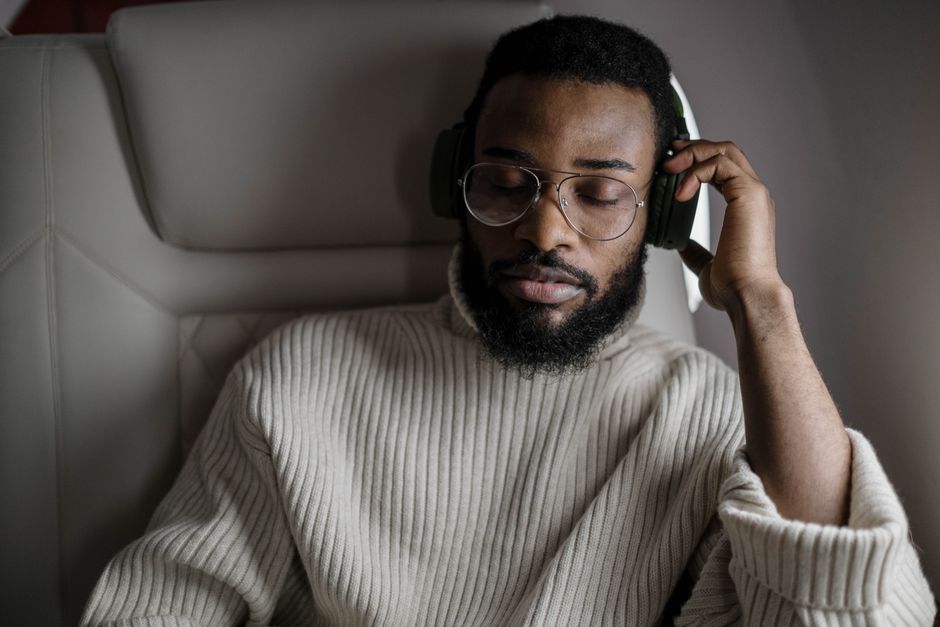
The biggest mistake is buying the newest model without checking the case size. The Sony WH-1000XM5 case is 21% larger than the Sony WH-1000XM4 case. It does not fit in a small sling bag. The Bose QuietComfort Ultra case is more compact. For a one-bag traveler, this matters more than any spec sheet.
The second mistake is ignoring the app. Both Sony and Bose require a companion app for firmware updates and EQ adjustments. The Sony Headphones Connect app is cluttered but powerful. The Bose Music app is simpler but less customizable. If you never open the app, you miss out on significant sound improvements.
The third mistake is assuming ANC is the only feature that matters. For a digital nomad, the microphone, multipoint reliability, and case size are equally important. A headphone that blocks noise but fails on a client call is not a good purchase.
Final Comparison: Which One Should You Buy?
If you work in loud environments with constant engine or traffic noise, buy the Sony WH-1000XM5. It has better low-frequency ANC and a better microphone. The fast charging is a bonus. Just check the case size before you buy.
If you wear glasses, have large ears, or spend hours on calls in cafes with lots of voices, buy the Bose QuietComfort Ultra. The comfort and high-frequency noise reduction are worth the extra $30. If you are on a budget, the Bose QuietComfort 45 at $279 is still a solid choice, though it lacks the CustomTune feature.
| Feature | Sony WH-1000XM5 | Bose QuietComfort Ultra |
|---|---|---|
| Price (2026) | $399 | $429 |
| Weight | 250g | 250g |
| ANC Low-Frequency | Excellent | Very Good |
| ANC High-Frequency | Good | Excellent |
| Microphone | Better | Good |
| Multipoint | Occasional drops | Reliable |
| Fast Charge | 3 min = 3 hrs | 15 min = 2.5 hrs |
| Case Size | Large | Compact |
| Best For | Engine noise, solo calls | Voices, glasses wearers |
This is not legal advice. But it is a clear verdict based on hundreds of hours of use in airports, cafes, and coworking spaces across three continents. Choose the tool that matches your work environment, not the one with the better marketing campaign.