 Michael Hardy
 Many visitors assume spring skiing around Banff means soft snow, warm afternoons, and easy conditions every day. That picture misses half the story. March can bring winter powder, April can deliver perfect corn snow or hard morning ice, and early May often feels like two different seasons in one afternoon. The best trip depends less on finding one perfect resort and more on matching your dates, ability, and schedule to the mountain.
My clear verdict: late March through the first half of April gives most visitors the best balance of snow coverage, daylight, open terrain, and manageable temperatures. Sunshine Village usually offers the safest late-season bet for snow, Lake Louise gives the broadest terrain choice, and Mount Norquay works best for a short day close to Banff.
What spring skiing around Banff actually feels like
Morning snow and afternoon snow are different sports
Spring skiing starts early. On a clear night, the surface freezes and creates firm corduroy or hardpack at opening time. That can feel fast and unforgiving, especially on steep sections. After the sun warms the slope, the top layer softens into the smooth, grippy snow that skiers call corn. The timing changes with aspect: south-facing runs soften first, while shaded north-facing terrain can stay firm until midday.
A good spring day often means skiing groomed runs early, moving toward softer aspects later, then stopping before the snow becomes deep, sticky piles. Wax matters more than many visitors expect. A warm-temperature ski wax helps skis glide when the surface turns wet. Without it, flat sections can feel like they have invisible brakes.
Why spring can still look and feel like winter
Banff sits in a high mountain environment. Storms can still arrive in March and April, and temperatures can drop below freezing overnight even when the town feels mild. Wind can close exposed lifts, while fresh snow can hide firm patches and uneven surfaces. Pack for winter, but plan your day around spring sun.
The strongest choice for mixed groups is a flexible itinerary: reserve two or three ski days, then choose the resort after checking overnight temperatures, wind, grooming reports, and lift status. That approach beats locking every day to one mountain.
March, April, or May: which month wins?
The short answer
Choose late March for the safest all-mountain trip. Choose April for softer snow, longer daylight, and better value, but accept more variation. Choose early May only if you care about warm-weather laps and a smaller open-terrain map more than deep coverage.
| Period | Typical strength | Main risk | Best for |
|---|---|---|---|
| March 15–31 | Strong coverage and winter storms | Cold mornings and firm snow | Mixed ability groups |
| April 1–20 | Long daylight and corn snow | Freeze-thaw changes | Confident intermediates |
| April 21–May 3 | Warm laps and quieter slopes | Reduced terrain at some resorts | Flexible travelers |
| May 4 onward | Summer-like town weather | Winter operations may end | Hiking and sightseeing combinations |
Lake Louise Ski Resort lists its 2026/26 winter season through May 3, 2026, but closing dates and terrain can change with snow, weather, and operating plans. The official calendar matters more than a generic travel article. Spring conditions reward visitors who can move their ski day by 24 hours.
Sunshine, Lake Louise, or Norquay: where should you ski?
Pick Sunshine Village for the strongest late-season odds
Banff Sunshine Village is my choice after mid-April because its high alpine base and long season usually protect snow better than lower mountain areas. That pass only makes sense for several ski days, but it shows how strongly Sunshine targets the spring market. Check the official Sunshine spring pass details before booking because prices and availability can change.
Pick Lake Louise for terrain and a better family split
Lake Louise wins for groups with different abilities. The resort has broad beginner areas, long intermediate routes, and more demanding alpine terrain. The price is attractive, but ticket levels vary by date and availability. Lake Louise is the better single-resort choice when one person wants gentle groomers and another wants steeper terrain. See the Lake Louise ticket calendar before paying.
Pick Norquay for convenience, not snow insurance
Mount Norquay sits close to Banff and works well for a half day, a lesson, or a first ski after a long flight. Its lower elevation makes spring softness arrive earlier, but it also makes coverage more vulnerable during warm spells. Norquay is my clear pick for convenience: stay in Banff, ski a few hours, and spend the afternoon in town. It is not my pick for a trip built around maximum late-season terrain.
How to plan a strong spring ski day
Use this five-step schedule
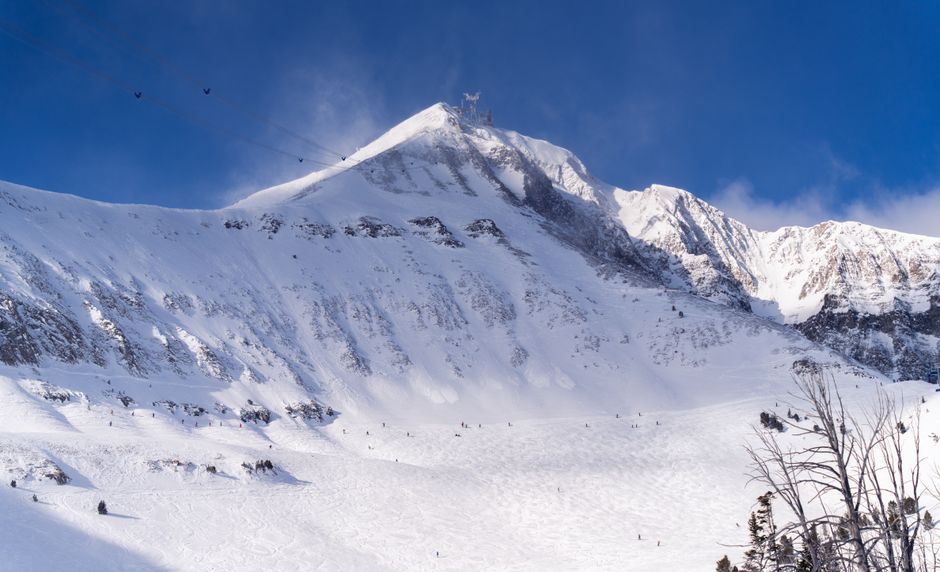
- Check the overnight low, wind forecast, grooming report, and lift status before leaving Banff. A warm night can create soft snow early; a cold clear night can create a firm surface that needs time to soften.
- Arrive early enough to ski the first groomed runs before crowds and sun exposure change the surface. On a sunny weekend, aim to reach the lift line before opening.
- Start with controlled turns on moderate groomers. Do not begin the day on a steep icy pitch simply because the snow looks smooth.
- Move toward slopes that receive direct sun once the surface softens. If your skis start sinking deeply or sticking on flatter ground, change wax, change aspect, or stop for lunch.
- Finish before fatigue turns soft bumps into a safety problem. Spring snow can hide holes, exposed rocks, and uneven piles near the edge of runs.
Layering matters. Wear a moisture-wicking base layer, a light insulating layer, a shell, waterproof gloves, goggles for bright sun, and sunscreen with strong UVA and UVB protection. Carry water and a small snack. Warm air makes people underestimate dehydration, while high elevation increases the cost of ignoring it.
The best spring equipment choice is adjustable clothing, not the heaviest jacket you own. You need to remove a layer without exposing yourself to wind on a chairlift.
Spring skiing mistakes that ruin good trips
Do not trust the town thermometer
Banff can feel warm while the top of the mountain remains cold, windy, and icy. The town forecast does not tell you what the upper lifts will feel like. Check the resort’s mountain report, webcams, wind readings, and recent grooming notes. A sunny icon beside a 40-kilometre-per-hour alpine wind does not describe a relaxed ski day.
Do not schedule your only ski day after a long scenic drive or an evening arrival. Fatigue affects balance, reaction time, and decision-making, and spring conditions punish tired legs. If your flight arrives late, ski Norquay the next morning or reserve a later Lake Louise start instead of forcing a full alpine day.
Do not book a pass before checking the math
Spring passes look attractive because they cover a long date range, but many visitors ski only two days. Buy it only when your itinerary includes enough ski days and you accept that weather can close lifts or reduce terrain.
Do not treat soft snow as beginner snow. Heavy afternoon piles can catch a beginner’s skis, while firm morning surfaces can make stopping difficult. Beginners should take a lesson, stay on groomed terrain, and ski with a partner. Strong intermediates should avoid following a confident local into a run they cannot inspect from above.
The largest failure comes from treating every spring day as interchangeable. A freeze, a storm, a wind event, or a warm spell can change the mountain in hours. Build one non-ski day into the trip so a poor forecast does not turn into wasted money.
Questions to answer before you book
Is spring skiing good for beginners?
Yes, if beginners start early on groomed terrain and take a lesson. Late morning often provides the most forgiving surface, but deep afternoon slush can become tiring. For a first day near Banff, Mount Norquay is the most practical choice because short travel leaves more energy for learning.
Is late March better than April?
Late March is the safer choice for coverage and winter-like conditions. April is the better choice for visitors who want long daylight, milder temperatures, and a chance at smooth corn snow. My pick for a first Canadian Rockies ski trip is March 20 to April 10 because that window balances coverage with spring comfort.
Should you stay in Banff or Lake Louise?
Stay in Banff if you want restaurants, nightlife, and access to Sunshine and Norquay. Stay in Lake Louise if Lake Louise Ski Resort is your main objective and you want a shorter morning commute. Banff wins for most travelers because it gives the itinerary more options when weather changes.
Spring skiing around Banff rewards flexible planning. Choose late March or early April, check the mountain rather than the town forecast, and keep one backup day for weather. That is enough structure to protect the trip without trying to predict every turn of the season.