 Michael Hardy
 Cherry blossom travel is a timing problem wrapped inside a transport and booking problem. The strongest plan uses flexible dates, a northbound backup route, and reservations that still work if the first forecast changes. This is not legal advice — consult a licensed attorney.
1. When should you go for cherry blossoms in Japan?
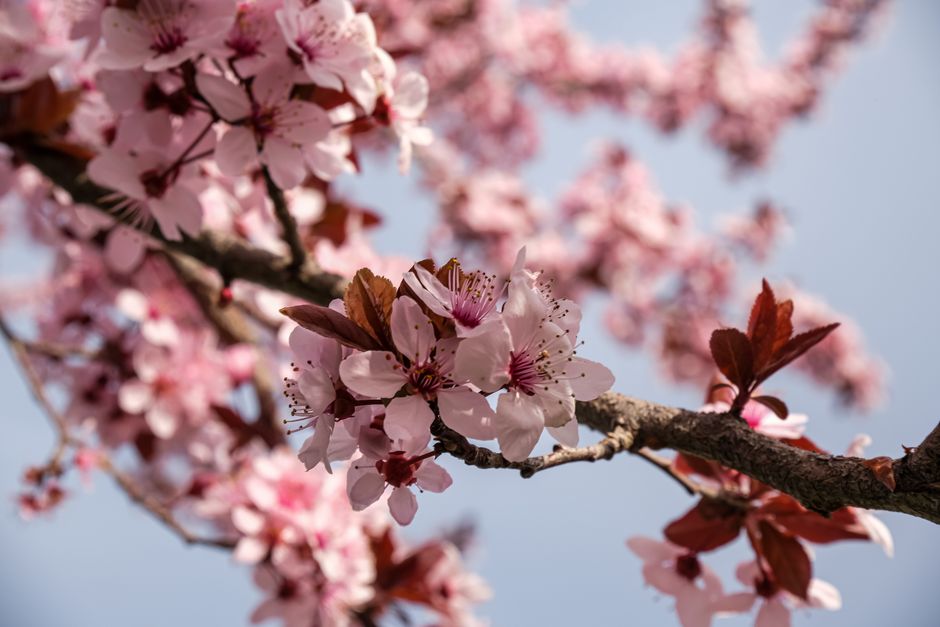
The best date depends on the city, the tree variety, and the weather during the week before your visit. Somei-Yoshino trees, the pale pink variety seen across many famous parks, usually hold peak colour for only several days before wind and rain thin the display. That makes a fixed two-week itinerary risky if every hotel night depends on one city reaching full bloom.
Use the forecast as a range, not a promise
The Japan National Tourism Organization recorded the 2026 first-bloom date for Chiyoda in Tokyo as March 19, Osaka as March 26, Aomori as April 13, and Sapporo as April 19. First bloom does not mean full bloom. In most cases, travelers need several additional days for the strongest viewing period, and a cold snap or heavy rain can shift the practical window.
Match the route to the bloom front
| Destination | 2026 first bloom reference | Useful planning window |
|---|---|---|
| Tokyo | March 19 | Late March |
| Osaka and central Kansai | March 26 | Late March to early April |
| Sendai | March 31 | Early to mid-April |
| Aomori | April 13 | Mid to late April |
| Sapporo | April 19 | Late April to early May |
The official forecast warns that dates can change with weather conditions. Check the JNTO cherry blossom forecast close to departure, then keep one flexible day in your schedule. For a first trip, late March through the first week of April gives the best odds for Tokyo, Kyoto, and Osaka together. For a later trip, choose Tohoku or Hokkaido instead of forcing Kyoto to fit the calendar.
2. How do you build a six-day or ten-day sakura route?
Build around two bases, not six hotel changes. Japan rewards movement, but cherry blossom season punishes rushed checkouts, crowded platforms, and luggage transfers. A short route should give you one major city, one cultural base, and one morning with no fixed booking.
A practical six-day structure
- Days 1–3: Stay in Tokyo. Use one morning for a major park, one afternoon for a neighborhood walk, and one day for a flexible weather swap.
- Days 4–5: Stay in Kyoto. Reserve one temple or garden visit early in the day, then leave the afternoon open for riverside viewing.
- Day 6: Finish in Osaka for food and an easier airport connection, or return to Tokyo if your flight requires it.
A better ten-day structure
- Days 1–3: Tokyo and one nearby excursion.
- Days 4–6: Kyoto, with Nara or Osaka as a day trip rather than another hotel move.
- Days 7–10: Choose one direction. Go north to Sendai or Aomori for later blossoms, or stay in Kansai for gardens, historic streets, and a slower pace.
Keep travel days below four hours when possible. Put the most weather-sensitive viewing on the first half of the day, when parks are quieter and rain has had less time to damage the petals. A generic tip with real value: book lodging near a station, but not directly beside the busiest attraction. Ten extra minutes on foot can reduce both room prices and morning congestion.
Another useful rule is to plan one anchor activity per day. A trip filled with six reservations can look efficient on paper and fail in practice when a train delay, rainstorm, or tired travel companion breaks the sequence.
3. What should you book before the sakura forecast is certain?
The correct booking order protects the parts of the trip that disappear first. Flights and central hotels usually become expensive before the forecast becomes precise. Famous tea ceremonies, popular restaurants, and limited-capacity gardens may also sell out while the trees are still bare. The solution is not to wait for perfect information. It is to separate fixed decisions from flexible ones.
Lock the scarce items first
Start with international flights, then reserve accommodation with free cancellation where the terms are clear. Read the cancellation deadline in local Japanese time, not only the date shown in your booking app. During sakura season, some properties impose nonrefundable deposits, minimum stays, or special cancellation rules. Save the confirmation page and the exact deadline.
Next, reserve any activity that has a fixed entry time. Pick one major experience per city and leave the surrounding hours open. A garden visit can move from Tuesday to Thursday if the forecast shifts. A prepaid, nonrefundable dinner usually cannot.
Use a forecast decision rule
Set a simple rule before emotions take over. If the official forecast places your destination within three days of full bloom, keep the booking. If it moves more than five days away, switch the flexible day to another city or a later-blooming region. This prevents the common mistake of checking five forecasts every hour and rebuilding the entire trip.
Protect the trip from ordinary failures
- Choose at least one hotel night that can be canceled without a penalty.
- Keep luggage below the size you can carry up station stairs if an elevator is crowded or unavailable.
- Save offline maps, reservation numbers, and the hotel address in Japanese characters.
- Carry a light rain shell and shoes with grip. Spring weather can change within a single afternoon.
- Leave one unscheduled morning after a long international flight.
These choices may feel less exciting than adding another landmark, but they solve the real problem: preserving options when the season refuses to follow the itinerary.
4. Which transport plan works best for your route?
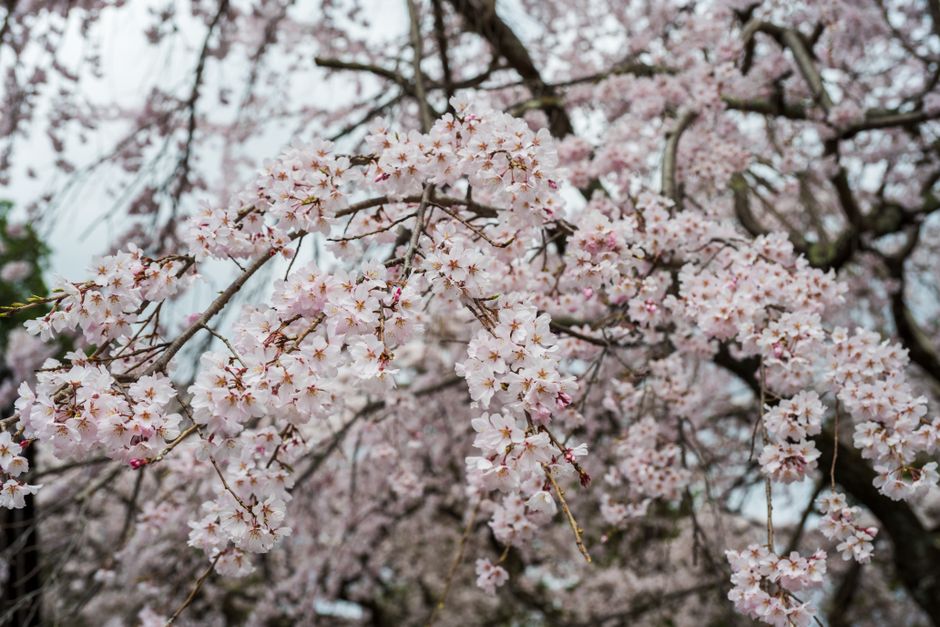
For a Tokyo–Kyoto–Osaka trip, buy local transit as you go and skip the nationwide pass unless your route includes several long-distance rail days. That is the clearest value judgment because the current JAPAN RAIL PASS price is high enough to punish a light itinerary.
Compare the main choices
Know when not to buy the national pass
The seven-day pass is a poor fit for a trip that spends three days in Tokyo, two in Kyoto, and one in Osaka. Local trains, subway rides, and one intercity transfer may not reach the pass price. The official Japan Rail Pass price page also states that travelers need an additional special ticket to use Nozomi or Mizuho trains with the pass. For central Tokyo, the Tokyo Subway Ticket can save money when you make many subway trips in 24, 48, or 72 hours. For a Narita arrival, compare the Narita Express with the Keisei route based on your hotel location, not just the headline fare. The verdict is simple: buy the pass only after adding the actual long-distance fares for your planned route.
6. What should you do if the blossoms miss your dates?
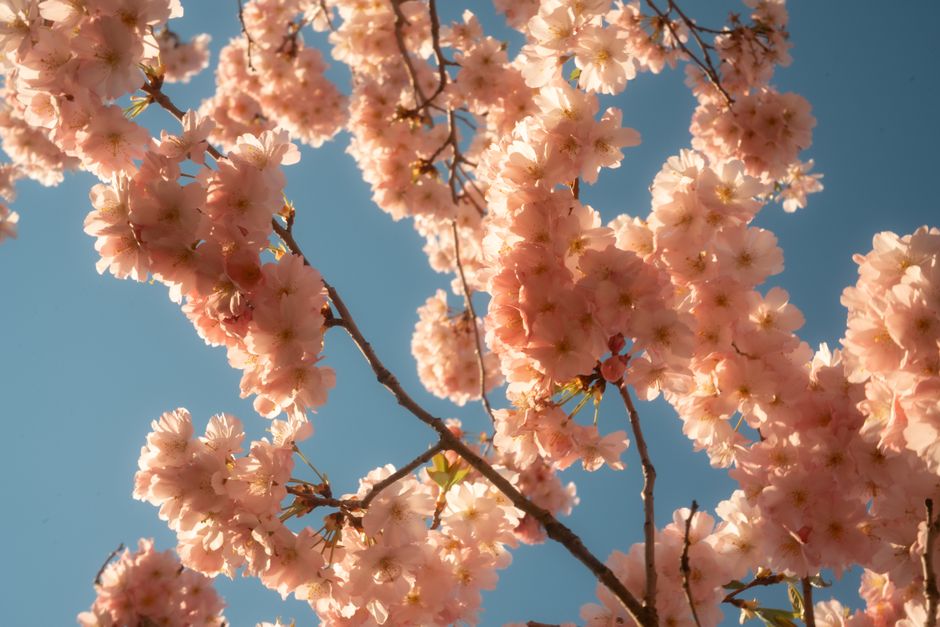
Choose the bloom front, not the postcard city. If Tokyo and Kyoto finish early, travel north. If your arrival is late April or early May, Aomori, Kakunodate, Hakodate, and Sapporo offer a stronger case than chasing bare branches in central Japan.
Use late-blooming regions as a real alternative
JNTO describes the season as moving from southern Japan toward cooler northern areas from mid-March through early May. Aomori gives you Hirosaki Castle Park, with more than 2,500 cherry trees and a setting that includes castle walls, moats, and evening lighting. Kakunodate combines flowering trees with preserved samurai residences. Hakodate adds Goryokaku Park, where more than 1,600 trees line the moat.
Know the tradeoff before you switch
Northern routes require extra rail or air time, cooler clothing, and more planning around limited regional accommodation. They also offer a better chance of seeing fresh blooms when the classic Golden Route has already passed peak. A traveler with only six days should not add Aomori after landing in Osaka unless the blossoms are the main purpose of the trip. In that case, replace a city rather than adding another transfer.
For most first-time visitors, the strongest recommendation is a seven-to-ten-day route with Tokyo and Kyoto as the core, one flexible viewing day, and a northern backup only when the forecast supports it. Book cancellable rooms, verify the bloom forecast shortly before departure, and choose transport based on real train usage. That plan gives you the best chance of seeing fresh sakura without allowing one early bloom date to control the entire trip.