
 Michael Hardy
 You land in Chiang Mai expecting sweater weather, then step into a sunny afternoon that feels like summer. The fix is simple: book the cool-season window from mid-November through late January, plan mountain trips for the morning, and check air quality before committing to February dates. Chiang Mai is at its most comfortable when dry weather, clear mountain views, and manageable daytime heat overlap. That overlap does not last all winter.
When Is Chiang Mai Cool Season Actually Cool?
Thailand’s northern cool season runs roughly from November through February, but the city does not feel the same throughout those four months. The Tourism Authority of Thailand describes November as the clear start of the cool season, while February marks the transition toward hotter weather. The official November travel guidance highlights cooler mountain conditions and seasonal festivals. That makes November and December the safest picks for visitors who want crisp mornings without giving up comfortable afternoons.
November brings the first reliable cool mornings
November usually gives Chiang Mai dry streets, lower humidity, and pleasant temperatures for temple walks. Dawn can feel chilly, especially near Doi Suthep and on higher roads, but most city afternoons remain warm enough for a T-shirt. Lantern and Loi Krathong events can make accommodation scarce, so event dates matter more than a simple month label.
December has the strongest weather balance
December is my clear weather pick. The city is dry, mountain viewpoints are more likely to be visible, and early starts do not feel punishing. Doi Inthanon can be genuinely cold before sunrise, while the old city may reach the high 20s Celsius later in the day. Pack layers instead of a heavy winter coat.
January stays comfortable but gets busier
January keeps the dry, mild pattern, with cooler nights and strong demand around New Year. Chiang Mai’s northern winter averages are much milder than a European winter, but high-elevation parks create a different climate within the same province. The Thai Meteorological Department climate summary records a much cooler northern winter profile than Thailand’s central and southern regions.
What Should a Five-Day Cool-Season Itinerary Include?
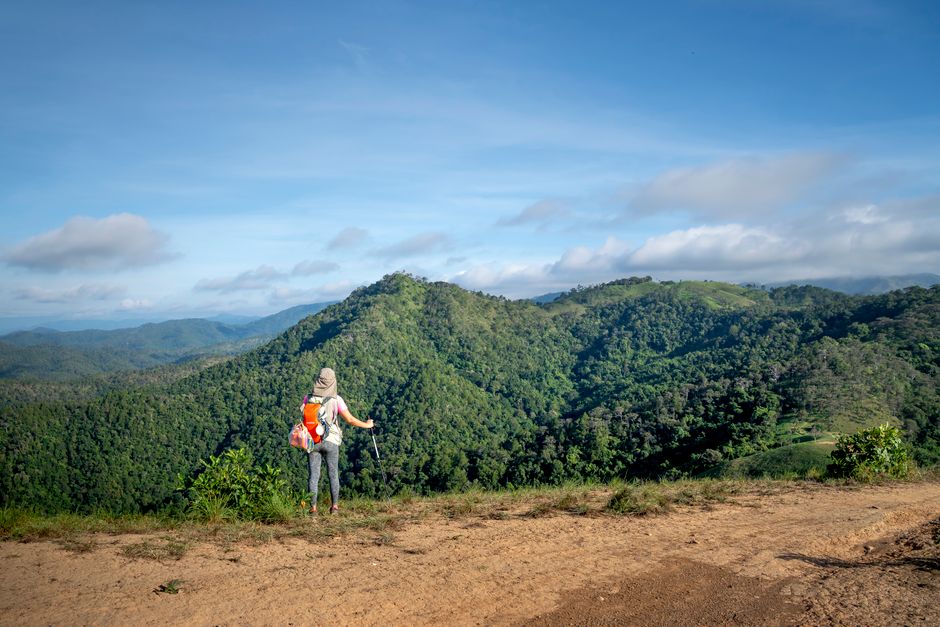
A five-day trip works best when you group nearby sights and reserve one flexible day for mountain weather. Do not schedule Doi Inthanon, an elephant sanctuary, a cooking class, and a long old-city walk on consecutive fixed bookings. The best itinerary protects the first and last mornings for changes.
| Day | Plan | Best timing | Why it works |
|---|---|---|---|
| 1 | Old City temples, Tha Phae Gate, Sunday Walking Street if available | 08:00-18:00 | Easy arrival day with short transfers |
| 2 | Doi Suthep, Wat Pha Lat, Nimman cafés | 07:00-16:00 | Mountain views before haze or heat builds |
| 3 | Doi Inthanon National Park | 05:30-17:30 | Uses the clearest and coolest hours |
| 4 | Cooking class, markets, or an ethical elephant visit | 09:00-17:00 | Flexible indoor and outdoor mix |
| 5 | Mae Kampong or a slow city day | 07:00 onward | Easy to shorten if weather changes |
Why this order beats a packed checklist
Put the longest drive on day three, after you have recovered from the flight but before the final departure rush. Doi Inthanon is about 1.5 to 2 hours from central Chiang Mai by road, and traffic can turn a scenic day into a tiring one. Start before sunrise if you want the summit, waterfalls, and twin pagodas in one trip.
How to keep one day flexible
Leave day four partly open. If skies are clear, move a second mountain outing into that space. If air quality drops or rain arrives early, switch to the Lanna Folklife Museum, a cooking class, café time, and the market. A flexible day has more value than a fifth prepaid excursion.
Is December Really the Best Month to Visit Chiang Mai?

Yes: for most first-time visitors, December is the strongest choice because it offers the best balance of dry roads, cool mornings, comfortable afternoons, and clearer mountain views. Choose November if festivals and early-season greenery matter most, choose January if you prefer reliably dry sightseeing, and avoid treating February as a guaranteed cool month. The final answer depends less on the calendar label than on your tolerance for heat, crowds, and smoke risk, but December gives the widest margin for a successful five-day plan.
How Should You Plan Around Chiang Mai Smoke Season?
Smoke is the issue that turns a perfect-looking winter forecast into a disappointing trip. Northern Thailand’s burning season varies by year, weather, wind, and local fire activity. It often becomes a bigger concern from late January through March, although poor air can appear earlier. A clear temperature forecast does not prove that the mountain view will be clear. Check the Pollution Control Department’s Thai air-quality dashboard before booking long outdoor excursions and again each morning during your stay.
What the air-quality check should include
Look at PM2.5, not only a general weather icon. Compare the city station with the area you plan to visit because readings can differ across Chiang Mai province. Check a trend over several hours rather than reacting to one isolated number. If the index rises, reduce strenuous outdoor activity, move temples and markets into shorter visits, and keep an indoor backup ready.
Who should change the travel dates?
Travelers with asthma, cardiovascular disease, respiratory sensitivity, young children, or pregnancy should take smoke forecasts seriously and discuss personal precautions with a clinician. A high mountain drive does not guarantee cleaner air; fires and stagnant conditions can affect rural valleys as well as the city. Carry well-fitting N95 or equivalent respirators for unavoidable outdoor exposure, but do not treat a mask as permission to spend all day exercising outside.
When February is still worth considering
February can work for visitors who care more about dry roads, lower rain risk, and cooler evenings than perfect visibility. Build cancellation flexibility into mountain tours and avoid paying for nonrefundable activities too early. If clear landscapes are the main reason for the trip, move the visit toward mid-November through early January. The official pollution record notes that open burning has affected upper northern provinces during the dry months, so this is a planning risk, not a minor footnote.
Which Bookings Reduce Cool-Season Trip Risk?

The best booking strategy is a flexible base near the old city or Nimman, followed by short day trips. For flights, Thai Airways currently lists Bangkok-Chiang Mai round trips from about THB 2,773 for selected December 2026 dates, while AirAsia often competes on the same route; fares change with baggage, dates, and demand. Confirm the final fare before treating it as a budget number.
Accommodation that matches the trip
U Nimman Chiang Mai suits travelers who want cafés, restaurants, and easy evening transport, with typical high-season planning rates often around THB 3,000-5,500 per night. Anantara Chiang Mai Resort is the stronger comfort choice near the river, but its planning range can exceed THB 8,000 per night during busy dates. Those figures are estimates, not quotes. For a lower-cost base, compare central guesthouses with air conditioning, a lift if needed, and recent reviews that mention noise and hot water.
When travel insurance earns its place
Insurance matters most when you prepay flights, tours, or expensive accommodation and would struggle to absorb a medical bill or cancellation. Products such as Allianz OneTrip Prime can be compared with other plans for medical, trip interruption, baggage, and cancellation terms. Read exclusions for adventure activities, scooter use, pre-existing conditions, alcohol-related incidents, and government travel warnings. AM Best ratings can help you judge an insurer’s financial strength, while available J.D. Power service scores can provide a separate customer-service signal. Neither replaces the policy wording. Premiums vary by state and individual factors, and U.S. travel insurance has no universal state minimum coverage requirement; state rules can affect availability and sale.
What Mistakes Ruin a Chiang Mai Cool-Season Trip?
The most common failure is planning around an imaginary version of winter: cold all day, clear every day, and empty attractions. Chiang Mai is warmer than that. The second failure is locking every excursion before checking smoke, festival crowds, and mountain conditions. Keep one flexible day, book cancellable rooms when the price difference is reasonable, and get multiple insurance quotes if you decide that protection fits the trip. This consumer comparison approach matters because premiums, exclusions, and cancellation rules vary by traveler and state.
Quick decision summary
| Traveler priority | Best timing | Main tradeoff | Clear recommendation |
|---|---|---|---|
| Best all-round weather | December | Higher demand around holidays | Choose December for a first visit |
| Festivals and cooler starts | Mid-November | Event dates can raise room prices | Book early if Yi Peng is central to the trip |
| Dry roads and cooler evenings | January | Smoke risk starts becoming more relevant | Check PM2.5 before mountain tours |
| Lower rain risk with flexible plans | Early February | Hotter afternoons and less reliable visibility | Go only with air-quality and cancellation flexibility |
For most visitors, December wins because it gives the itinerary the most room to work. Pack layers, start mountain days early, and let the air-quality check decide how ambitious the outdoor schedule should be.