 Michael Hardy
 New Zealand’s Abel Tasman Coast Track runs 60 km one way, yet the South Island lets you pair its golden beaches with glaciers, fiords, and alpine passes in a single two-week loop. January gives you long daylight hours and generally milder driving conditions, but it also brings peak-season crowds, full campsites, and higher rental prices. The best South Island road trip in January uses a fixed route, leaves space for weather changes, and treats Milford Sound and the West Coast as separate travel days rather than quick photo stops.
What is January weather like on the South Island?
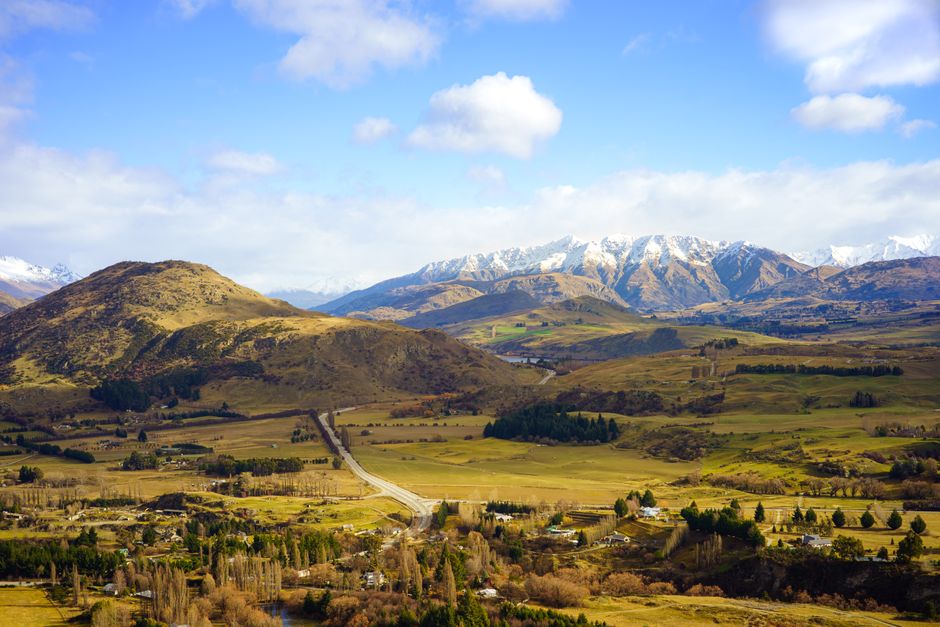
January is the easiest month for a first South Island road trip, but it is not reliably dry. Christchurch, Nelson, and the Mackenzie Basin can feel hot in the afternoon, while Fiordland and the West Coast can turn wet within hours. Pack for four seasons: a light insulating layer, waterproof shell, sun hat, sunglasses, and shoes that can handle mud. Expect bright sun to feel stronger than the temperature suggests, especially around Aoraki/Mount Cook and the lakes.
Long summer evenings make it tempting to drive after dinner. Resist that habit on unfamiliar roads. Use daylight for mountain passes, forested West Coast sections, and the Milford Road. Start early, stop before fatigue builds, and keep one unscheduled morning for rain. A wet Milford Sound cruise can still be spectacular because waterfalls multiply, but a flooded track or closed pass can change the order of your route.
Sun, wind, and rainfall
January is peak summer, not a guarantee of beach weather. Nelson and the northern coast are your best bets for warm outdoor days. Fiordland receives heavy rainfall throughout the year, so do not cancel the region because the forecast shows showers.
What to pack in the car
Carry drinking water, snacks, a paper road map, a headlamp, sunscreen, insect repellent, and one dry change of clothes per person. Keep valuables out of sight at trailheads. Download maps before leaving town because mobile coverage disappears on parts of the West Coast, Haast Pass, and Milford Road.
How should you divide 14 days?
The itinerary below is a practical first loop. Driving times are approximate clear-weather estimates and exclude stops. Book the nights in Kaikōura, Abel Tasman, Queenstown, Te Anau, and Aoraki/Mount Cook before booking less important stays.
A day-by-day route
| Day | Route | Overnight | Main plan |
|---|---|---|---|
| 1 | Arrive in Christchurch | Christchurch | Collect the car only after resting; walk the central city. |
| 2 | Christchurch to Kaikōura, 2.5 hours | Kaikōura | Coastal walk, seal colony, or whale excursion. |
| 3 | Kaikōura to Nelson, 4.5 to 5 hours | Nelson | Use the afternoon for groceries and laundry. |
| 4 | Nelson to Mārahau, about 1 hour | Nelson or Mārahau | Water taxi or day walk in Abel Tasman National Park. |
| 5 | Nelson to Punakaiki, about 4 hours | Punakaiki | Visit the Pancake Rocks near low tide. |
| 6 | Punakaiki to Franz Josef, about 3 hours | Franz Josef or Fox Glacier | Take a short valley walk; check glacier access locally. |
| 7 | Franz Josef to Wānaka, 4.5 to 5.5 hours | Wānaka | Drive the Haast Pass route with frequent stops. |
| 8 | Wānaka to Queenstown, 1 to 1.5 hours | Queenstown | Lakefront afternoon and a proper rest evening. |
| 9 | Queenstown | Queenstown | Reserve one activity and leave the rest flexible. |
| 10 | Queenstown to Te Anau, about 2 hours | Te Anau | Buy food and prepare for the Milford day. |
| 11 | Te Anau to Milford Sound and back | Te Anau | Leave before sunrise; allow a full day. |
| 12 | Te Anau to Aoraki/Mount Cook, 4.5 to 5 hours | Mount Cook Village or Twizel | Stop at Lake Pukaki and complete a short walk. |
| 13 | Aoraki/Mount Cook to Christchurch, 4 to 4.5 hours | Christchurch | Use the morning for Hooker Valley or Tasman Lake. |
| 14 | Christchurch departure | — | Return the vehicle with fuel and extra time. |
This route is ambitious but balanced. Add two nights if you want a multi-day Abel Tasman walk or a longer stay in Fiordland. Remove Franz Josef rather than Queenstown if you need to shorten it; the road distance remains difficult to compress.
Should you rent a car or campervan?
Rent a small car for this route unless sleeping in campsites is the main reason for your trip. A car gives you more accommodation choices and makes the Haast Pass, Milford Road, and Queenstown streets less stressful. A campervan can reduce hotel costs, but January campgrounds fill quickly and large vehicles use more fuel on long climbs.
Car versus campervan
What the insurance wording changes
Check the excess, windscreen cover, tyre cover, and rules for gravel roads before paying. Many rental contracts restrict unsealed roads, and some scenic access roads are not covered even when they appear on a normal map. Photograph the vehicle at pickup, including wheels and roof edges. Keep the contract and emergency number offline.
When not to choose a campervan
Do not choose one to save money if you will stay in paid holiday parks every night and dislike cooking in rain. A Corolla Hybrid plus simple motels often wins for two people. Choose the Hiace when the daily rhythm of campsite living matters more than speed, storage, and comfort.
What safety gear actually helps on remote roads?
Install the eSIM before the flight, but keep a second option if your phone supports dual SIMs.
For most travelers: phone data and downloaded maps
Use Google Maps for the broad route, then download each region for offline use. CamperMate is useful for campsite information, but verify every site on the official DOC page because listings and rules change. Keep your phone charged from the car and carry a small power bank. This setup handles the majority of a normal road loop.
For hikes beyond cell coverage
It is the better pick for travelers who want two-way messaging, location tracking, and a dedicated SOS button.
The failure that catches people out
Buying a satellite communicator at the airport does not create a safety plan. Charge it, activate the subscription, test a message outside, and tell someone at home your route. Carry water and warm clothing even for a short walk. Weather can close a trail faster than a phone can warn you.
Which stops deserve extra time?
Should you spend more time in Abel Tasman?
Yes, if beaches, swimming, kayaking, and easy walking matter most. A day trip shows the park, but two nights let you use a water taxi and walk one section without racing the tide. For a shorter visit, base yourself in Mārahau and take a day water taxi to Anchorage.
Is Milford Sound worth a full day?
Yes. The road from Te Anau to Milford Sound takes around two hours without stops, but you should stop at Mirror Lakes, the Chasm, and viewpoints along the way. A cruise adds the essential water-level view of waterfalls and peaks. Rain does not ruin the experience; it often makes the waterfalls more dramatic. The clear verdict is to sleep in Te Anau and drive early rather than pay for a Queenstown return transfer unless you strongly prefer not to drive.
Should you choose Mount Cook or extra Queenstown nights?
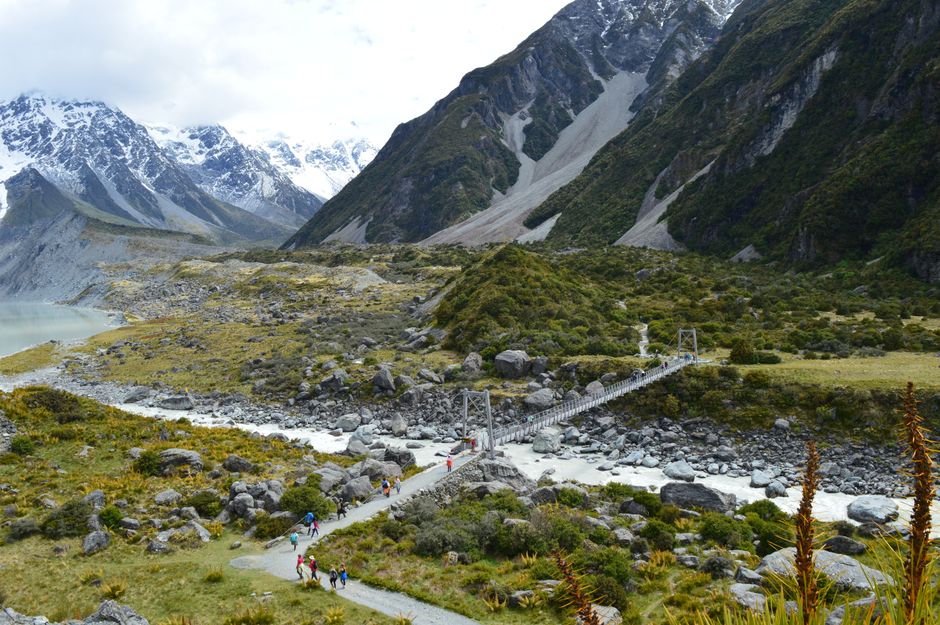
Choose Aoraki/Mount Cook if alpine scenery and short walks are your priority. The Hooker Valley Track, Tasman Lake, and the road beside Lake Pukaki create a very different experience from Queenstown’s activities and nightlife. Choose an extra Queenstown night if you need weather flexibility, adventure bookings, or a quieter recovery day after Milford Sound. For first-time visitors, one Queenstown rest day and one Mount Cook night produce the stronger mix.
Keep the final night near Christchurch airport if your flight leaves before mid-morning. A scenic detour on departure day can turn a beautiful trip into a missed flight.