
 Michael Hardy
 Most travelers think a valid passport is all they need. That misconception causes thousands of people to be denied boarding every year. In 2026, entry rules have tightened across Europe, Asia, and the Americas. A passport that expires in five months will get you turned away from a Schengen flight. A missing visa for a 12-hour layover can strand you at security. This guide walks through exactly what documents you need, how to check their validity, and the specific mistakes that wreck trips.
Passport Validity Rules: The Six-Month Myth and Real 2026 Standards
The “six-month validity” rule is not universal. Many countries enforce it strictly, but others require only three months beyond your departure date. For 2026, the Schengen Area (27 European countries) requires your passport to be valid for at least three months after your planned exit from the Schengen zone. The United States requires your passport to be valid for the entire duration of your stay — no extra buffer required. Japan, Thailand, and most of Southeast Asia enforce the six-month rule.
How to check your specific destination
Go to the U.S. State Department’s travel website or the equivalent for your home country. Search your destination and look for “Entry, Exit and Visa Requirements.” The exact number of months is listed there. Do not rely on airline check-in agents — they sometimes apply blanket rules that are stricter than the actual law.
Passport renewal timeline for 2026
Standard passport processing in the U.S. takes 6–8 weeks. Expedited service (2–3 weeks) costs an additional $60. If you need a passport in under two weeks, you must schedule an appointment at a regional passport agency. Book your appointment at least 14 days before departure. For 2026, many agencies are experiencing backlogs due to increased summer travel. Apply for renewal at least four months before your trip.
Visa Requirements: ETIAS, ESTA, and the New European Entry System
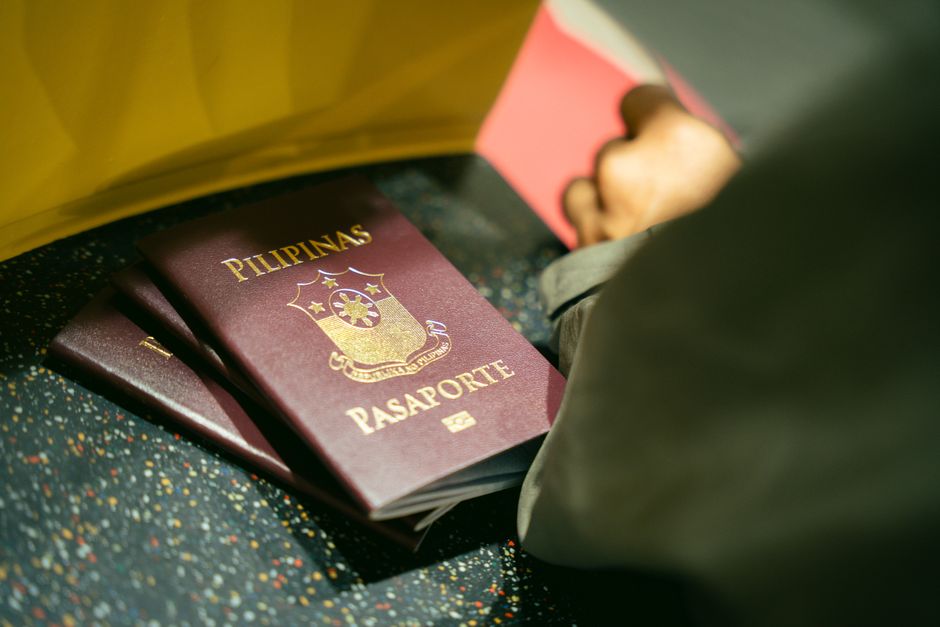
Starting in 2026, the European Travel Information and Authorisation System (ETIAS) is expected to be fully operational. Citizens of visa-exempt countries (including the U.S., Canada, Australia, and the U.K.) will need to apply for an ETIAS authorization before flying to any Schengen country. The application is online, costs €7, and is valid for three years. Without an approved ETIAS, you will be denied boarding.
Separately, the United Kingdom now requires an Electronic Travel Authorisation (ETA) for citizens of Qatar, Bahrain, Kuwait, Oman, UAE, Saudi Arabia, and Jordan. By 2026, this requirement may expand to other nationalities. Check the UK government’s ETA page before booking.
ESTA for the United States
If you are from a Visa Waiver Program country, you need an approved ESTA before flying to the U.S. The application costs $21, and approval is typically instant but can take up to 72 hours. Do not wait until the airport. An expired ESTA or a denied ESTA means you cannot board.
Visa-on-arrival and e-Visa countries
Many countries in Africa and Asia offer visas on arrival or e-Visas. For example, Turkey’s e-Visa costs $50 and is processed in minutes. Vietnam requires a pre-approved visa letter for most nationalities. India’s e-Visa is available for 30, 90, and 180 days. Always apply at least one week in advance — the processing time is not guaranteed.
Travel Insurance: Not Optional in 2026 for These Destinations
Several countries now require proof of travel insurance with minimum coverage levels. Cuba, Ecuador, and all Schengen countries mandate insurance that covers medical evacuation and at least €30,000 in medical expenses. In 2026, Thailand is considering a similar requirement for all foreign visitors.
Without proof of insurance, you may be denied entry. Keep a printed copy of your policy certificate. A screenshot on your phone is not always accepted — some border officers require a physical document.
What coverage you actually need
Minimum recommended coverage for 2026: $100,000 medical evacuation, $50,000 medical expenses, trip cancellation up to the value of your trip. Companies like World Nomads, SafetyWing, and Allianz Travel offer policies that meet these thresholds. Read the fine print for exclusions — many policies do not cover pre-existing conditions or adventure sports.
International Driving Permit: When You Legally Need It

An International Driving Permit (IDP) is not a license. It is a translation of your domestic driver’s license, valid in over 150 countries. You need an IDP to rent a car in Japan, most of Europe, Australia, and many parts of South America. Without it, rental agencies will refuse to give you the keys. In Italy, driving without an IDP can result in a fine of up to €400 and vehicle impoundment.
How to get an IDP
In the U.S., only AAA and AATA issue IDPs. The cost is $20 plus passport photos. Apply in person or by mail. Processing takes 2–3 weeks. Do not buy an IDP from a third-party website — many are fraudulent and will not be accepted by rental agencies or police.
Common Document Mistakes That Get Travelers Denied
Here are the most frequent failures, based on reports from border agencies and traveler forums in 2026–2026.
- Passport damage: A torn page, water damage, or even a small stain can render a passport invalid. If your passport looks worn, replace it before you travel.
- Expired visas in old passports: If you have a valid visa in an expired passport, you can usually travel with both documents. But some countries (e.g., Australia) require the visa to be electronically linked to your new passport. Check before you go.
- Missing return ticket: Many countries require proof of onward travel. A one-way ticket without a return or onward booking can get you refused entry. Book a refundable onward ticket or use a service like OnwardTicket.
- Incorrect name on booking: Your airline ticket name must exactly match your passport name. A missing middle name or a nickname can cause check-in to reject you. Double-check every booking.
Digital Copies vs. Physical Originals: What Border Officers Actually Accept

Carry physical originals of your passport, visa, and travel insurance certificate. Digital copies on your phone are useful backups but are not accepted for entry at most borders. For example, Cuba requires a physical tourist card. Turkey’s e-Visa must be printed. The only exception is the ESTA and ETIAS — these are electronically linked to your passport and do not require a printout (though carrying one is still wise).
Keep a separate set of photocopies of your passport data page, visas, and insurance card. Leave one copy with a trusted contact at home. That way, if your documents are stolen, you have the information to get replacements.
Document Checklist for 2026 International Travel
Use this checklist before every trip. Print it and tick each item.
| Document | Check Before Booking | Check 1 Week Before | Check at Airport |
|---|---|---|---|
| Passport (valid per destination rules) | Yes | Yes | Yes |
| Visa / ETIAS / ESTA (approved) | Yes | Yes | Yes |
| Travel insurance certificate (printed) | No | Yes | Yes |
| International Driving Permit (if renting) | Yes | Yes | Yes |
| Proof of onward travel (printed) | No | Yes | Yes |
| Vaccination records (yellow fever, COVID-19) | Yes | Yes | Yes |
| Photocopies of all documents | No | Yes | Carry separately |
This is not legal advice — consult a licensed attorney for specific legal questions about visa denials or passport issues.