 Michael Hardy
 Most people planning a Las Vegas trip leave hundreds, sometimes thousands, of dollars on the table. They book like amateurs. They fall for the same old tricks. You’re probably one of them. The good news? You don’t have to be. We’re cutting through the noise. Here’s what you need to know.
Stop Wasting Money on Standard Strip Hotels
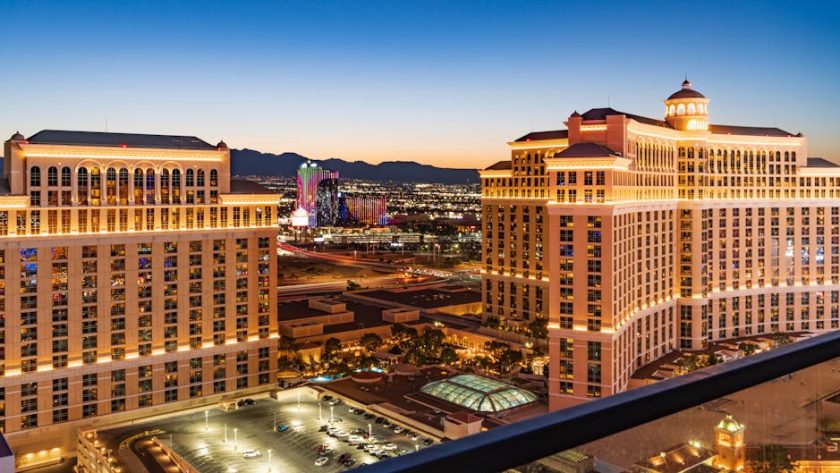
You think you need to stay at the Bellagio or the Wynn? You don’t. Not unless you’re specifically going for that high-roller aesthetic and are willing to pay triple for it. Most Strip hotels, especially the mid-tier ones, offer a surprisingly similar experience once you’re past the lobby. You’re paying for brand recognition, nothing more. Smart travelers get the same Vegas fun for less. Period. Your money goes further when you focus on value, not just the name.
The Value Picks You Ignore
Plenty of hotels on the Strip deliver solid value without the exorbitant price tag. You’re looking for clean rooms, good pools, and easy access to the action. Flamingo is a prime example. Yes, it’s older. Who cares? It’s center-Strip, rooms are renovated, and the pool scene is fantastic. You can often find rooms for under $100 on weekdays. Compare that to the $300+ you might drop on a night at Cosmopolitan. Another strong contender? Harrah’s. Similar vibe to Flamingo, often slightly cheaper, and right next to the LINQ Promenade. Excalibur, while at the south end of the Strip, consistently offers some of the lowest rates. It’s perfect if you plan on spending most of your time exploring and just need a bed.
Off-Strip Gems: Real Savings
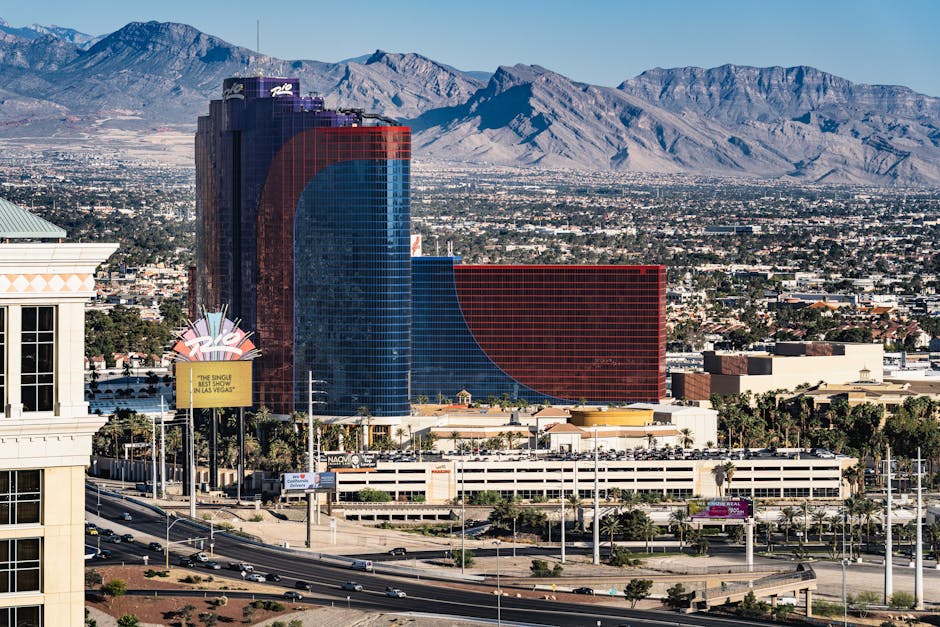
Want to really save? Look off-Strip. This isn’t rocket science. Hotels even a mile or two from the main action slash their prices dramatically. The Rio is one. While not directly on the Strip, it offers shuttle service, larger rooms, and frequently has rates that put Strip hotels to shame. Palms Casino Resort is another excellent choice. It has incredible dining options, a fantastic pool, and often runs promotions. You’ll need an Uber or Lyft to get to the Strip, but the savings on the room more than make up for it. Don’t dismiss these options. They exist for a reason: to give you a viable, cheaper alternative that doesn’t feel like a downgrade. You get more space, often better amenities for the price, and a less frantic atmosphere. It’s a no-brainer for budget-conscious travelers who still want a quality stay.
Your Booking Strategy is Probably Wrong

Most people just open Expedia, punch in dates, and hit ‘book.’ That’s amateur hour. You’re leaving money on the table because you’re not using every trick in the book. Vegas hotel pricing is a dynamic, convoluted mess designed to extract maximum cash from you. Fight back. You need to be smarter, more flexible, and a lot more strategic about when and how you click that ‘confirm’ button. The difference between a good deal and a great deal often comes down to timing and knowing the system.
Incognito Mode Isn’t a Myth
Hotel and flight websites track your searches. They see you’ve looked at that Bellagio suite three times. What happens next? The price mysteriously goes up. It’s not a conspiracy; it’s dynamic pricing in action. Always, and I mean always, clear your browser cookies or use an incognito/private browsing window when searching for hotel deals. Do this every time you check prices. You’ll often see lower rates than if you were browsing normally. This isn’t a guarantee, but it stacks the odds in your favor. Combine this with checking prices on different devices, too. A mobile app might show a different rate than the desktop site. Yes, it’s annoying. Yes, it works.
Loyalty Programs Are Gold
Think loyalty programs are just for high rollers? Wrong. Even if you’re a casual gambler, signing up for programs like Mlife Rewards (MGM properties) or Caesars Rewards (Caesars properties) is essential. They offer member-exclusive rates that are often significantly lower than public prices. You also get points for hotel stays, dining, and even some non-gaming purchases, which can lead to comped rooms, free play, or discounts. Don’t just sign up online; get the physical card at the casino. Sometimes, swiping your card at a slot machine a few times can trigger special offers. It sounds ridiculous, but properties want to track your activity. They’ll incentivize you for it. These programs are a direct line to deeper discounts and exclusive offers you won’t find anywhere else. Use them.
The Best Time to Book Is Not What You Think
Forget what you heard about booking months in advance for Vegas. It’s often not true. The sweet spot for securing the best hotel deals in Las Vegas is typically within 3-4 weeks of your arrival. Prices are fluid. Hotels adjust based on demand, which they can’t accurately predict too far out. Waiting a bit often pays off. You’re welcome.
Don’t Get Screwed By Resort Fees: A Masterclass

Resort fees are the biggest scam in Las Vegas travel, hands down. They are mandatory, non-negotiable daily charges added to your bill, completely separate from the room rate. You’ll see a great room price, then get hit with an extra $35-$50 per night for “amenities” like Wi-Fi and pool access you’re already expecting. It’s a blatant cash grab. Many hotels rely on these fees to pad their bottom line while advertising lower room rates. This is how they trick you. You need to account for these fees *before* you book. Factor them into your total cost, or you’ll be furious at checkout. It’s not optional, it’s unavoidable in most cases, but knowing about them ahead of time is your only defense.
The Fine Print Trap
Every major Strip hotel charges a resort fee. The Bellagio, Venetian, Caesars Palace, MGM Grand—they all do. These fees are rarely included in the initial quoted price you see on third-party sites like Expedia or Booking.com. You have to click through, often to the final booking page, to see the true total. This is by design. They want you to commit before seeing the real cost. Always look for the “taxes and fees” breakdown. It’s buried there. Expect to pay anywhere from $35 to $55 per night, per room, on top of your advertised rate. For a four-night stay, that’s an extra $140 to $220. That’s real money, people. Be vigilant. Do your research. Know the fee for your chosen hotel before you even consider booking.
Negotiating the Unnegotiable? Maybe.
Can you get out of resort fees? Usually not, but there are niche cases. If you’re a high-tier casino loyalty member, sometimes the fees are waived. If you have legitimate issues with the “amenities” provided (e.g., the Wi-Fi was down for your entire stay, the pool was closed), you might be able to negotiate a partial refund upon checkout. This is rare and requires persistence. More realistically, look for hotels that explicitly state “no resort fees.” They exist, primarily Downtown or further off-Strip. The Circa Resort & Casino Downtown, for example, is one of the few newer properties that advertises no resort fees for guests booking direct. Some older, smaller properties also skip them. Prioritize these if avoiding the fee is your absolute top priority. Otherwise, accept it as part of the price of staying on the Strip.
Common Vegas Deal Myths, Debunked
There’s so much bad advice out there about booking Vegas. People love to share their “secret” methods that haven’t worked in years, if ever. Let’s clear up the biggest misconceptions right now. Stop listening to your friend’s cousin who “always gets a free room.” That’s anecdotal, and likely based on a very specific, high-roller gambling habit that you don’t have. Get real. The industry has changed. What worked ten years ago probably won’t fly today. Focus on facts and proven strategies, not urban legends.
Is booking last minute always cheaper?
No. This is a common myth. While occasionally a hotel might drop rates significantly a day or two out if they have empty rooms, it’s a huge gamble. You risk finding no availability at your preferred hotel, or worse, only outrageously expensive rooms left. The sweet spot, as mentioned, is usually 3-4 weeks out. Booking within a week or two can sometimes yield decent prices, but don’t count on it always being the lowest. For peak weekends, holidays, or major conventions, last-minute booking is a recipe for disaster. Book with some foresight, but don’t lock in 6 months ahead unless you see an unbelievable, non-refundable flash sale. Those are rare for prime dates.
Do travel agents offer better deals?
For most standard Vegas trips, no. Online Travel Agencies (OTAs) like Expedia, Booking.com, and Travelocity offer the same, if not better, deals than traditional travel agents. Travel agents often have access to package deals, but these can be replicated or beaten by doing your own research. Their value typically lies in complex itineraries, group bookings, or specialized luxury travel, not a basic Vegas hotel. For straight hotel bookings, you’re better off comparing prices yourself across multiple OTAs and the hotel’s direct website. And rates through your casino loyalty program first.
Are package deals always a scam?
Not always, but be cautious. Package deals (flight + hotel) can sometimes offer significant savings, particularly if you’re booking well in advance or for shoulder seasons. However, always break down the cost. Calculate the individual price of the flight and the hotel separately, then compare it to the package price. Sometimes, the “deal” is just an average price for both combined, or worse, they’ve inflated one component to make the other seem cheaper. Use sites like Kayak or Google Flights to compare flight prices, and then compare hotel prices on their own. Don’t assume a package is automatically better. Verify the savings. It’s your money; protect it.
Downtown vs. Strip: Where’s the Real Value?
This is a fundamental choice for any Vegas trip. Most first-timers default to the Strip. Big mistake for value hunters. Downtown Las Vegas, centered around the Fremont Street Experience, offers a completely different vibe and, crucially, often better value. It’s a distinct choice with distinct advantages and disadvantages. Don’t dismiss Downtown as “the old Vegas.” It’s been revitalized, with new properties like Circa and upgraded classics like the Golden Nugget. It’s a genuine contender for your stay, especially if you’re trying to stretch your budget without sacrificing fun.
| Feature | The Strip (e.g., Caesars Palace, MGM Grand) | Downtown (e.g., Golden Nugget, Circa) |
|---|---|---|
| Average Room Price | Higher ($150-$500+) | Lower ($80-$250+) |
| Resort Fees | Almost always present and high ($35-$55+) | Often lower or non-existent (check individual hotels) |
| Atmosphere | Grand, sprawling, luxurious, modern, often requires walking/driving between resorts | Compact, historic, lively, street-party vibe, walkable |
| Dining & Entertainment | High-end celebrity chef restaurants, massive shows, nightclubs | More casual, affordable eats, live music stages, unique bars |
| Transportation | Needs taxis, rideshare, monorail for movement between resorts | Highly walkable, everything is close |
| Gambling Minimums | Higher ($15-$25+ for table games) | Lower ($5-$10 for table games) |
As the table clearly shows, Downtown is often the winner on pure cost. You’ll find lower room rates, and significantly, some properties actively avoid or reduce resort fees. The Golden Nugget is a classic choice, offering a great pool (The Tank) and a prime location. Circa is a newer, adults-only option with fantastic amenities and often no resort fee when booking direct. You sacrifice some of the mega-resort scale of the Strip, but gain a more intimate, vibrant, and wallet-friendly experience. For sheer value, Downtown often wins. You need to decide what matters more: sprawling luxury or efficient fun.
Stop booking like a chump; arm yourself with these tactics to finally score real Vegas hotel deals.