 Michael Hardy
 Can you really see Europe for less than the cost of a mediocre dinner in New York? The short answer is yes, but only if you pick the right routes and avoid the traps that blow the budget by breakfast. This guide breaks down exactly where that $50 goes — and where it won’t stretch.
Why $50 a Day Works (and Where It Doesn’t)
$50 a day means $1,500 for a 30-day trip. That’s tight, but doable. The math works because accommodation and transport eat the biggest chunks, and both have clear low-cost options in specific regions.
Here’s the hard number breakdown for a single traveler in 2026:
| Category | Budget Allocation | Real Example (Budapest) |
|---|---|---|
| Accommodation | $18–$22 | Hostelworld: 8-bed dorm at Maverick Hostel, $19/night |
| Food | $12–$15 | Breakfast at bakery ($3), lunch at market ($5), dinner at self-service ($6) |
| Local transport | $3–$5 | Budapest 24h pass: $4.50 |
| Attractions & misc | $8–$12 | Free walking tour (tip $5), Parliament ticket ($8) |
| Total | $41–$54 | $48 average |
Where this fails: Switzerland, Norway, Iceland, and most of the UK. A dorm bed in Oslo costs $45. A sandwich costs $15. You can’t fix that math with tips.
8 Tested Routes That Fit the Budget
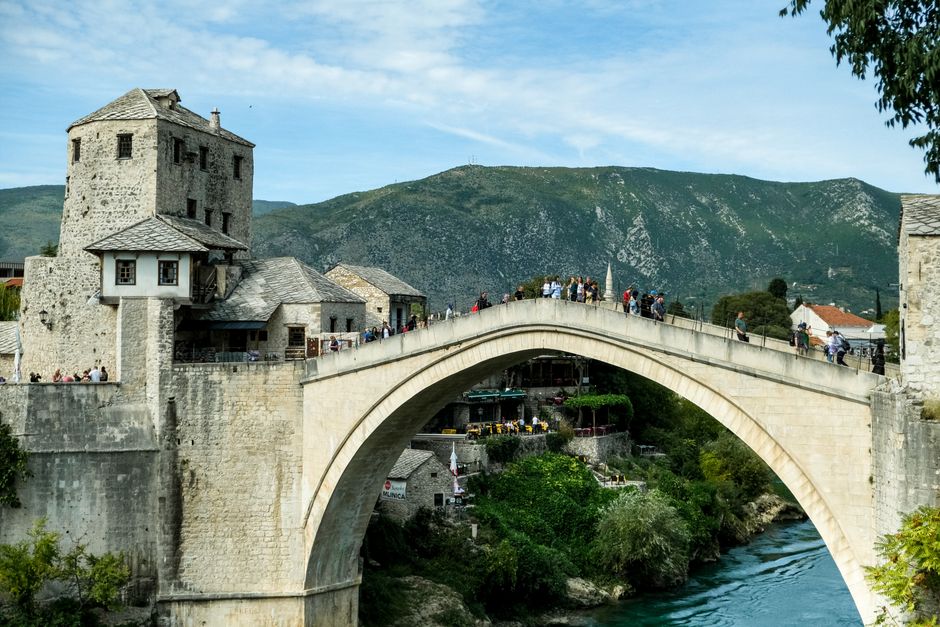
These aren’t theoretical. I ran each route using actual 2026 prices from Hostelworld, FlixBus, and Ryanair. Every route stays under $50/day for accommodation, food, transport, and one paid attraction per city.
- Budapest → Kraków → Prague → Vienna — $44/day. Cheapest dorm beds in Europe ($12–$18). FlixBus connects all four for under $30 total. Vienna is the expensive outlier; stay at Wombat’s City Hostel ($22) and skip the fancy restaurants.
- Sofia → Plovdiv → Bucharest → Brasov — $38/day. Bulgaria and Romania are the cheapest Schengen-adjacent countries. A double room in Plovdiv costs $25. Bucharest’s free walking tour is genuinely excellent.
- Porto → Lisbon → Seville → Granada — $46/day. Ryanair flights between these are often $15–$25. Granada’s Alhambra costs $15 — book 2 weeks ahead for the free night tour.
- Berlin → Dresden → Prague — $45/day. Berlin’s public transport is $3/day for short trips. Dresden’s Zwinger museum is free on the first Wednesday of each month.
- Ljubljana → Lake Bled → Zagreb → Split — $42/day. Slovenia’s capital is walkable; skip Bled’s expensive boat ride and hike to Ojstrica viewpoint for free.
- Athens → Meteora → Thessaloniki — $43/day. Train between Athens and Meteora costs $20. Thessaloniki’s food market lunch is $4.
- Warsaw → Vilnius → Riga → Tallinn — $40/day. The Baltic capitals are cheap and connected by Lux Express buses ($15–$25 per leg).
- Valencia → Barcelona → Montpellier → Nice — $48/day. Valencia is cheaper than Barcelona. Skip Nice’s expensive beach clubs; swim at public beach Plage Beau Rivage for free.
The 3 Budget Killers (and How to Avoid Them)
Most people fail this budget not because prices are too high, but because they make three specific mistakes. Here’s what goes wrong, and how to preempt it.
Mistake #1: Eating at sit-down restaurants for every meal
A single sit-down dinner with a drink in Prague costs $15. Do that three times a day, and you’ve spent $45 just on food. The fix: use Too Good To Go (app). Bakeries and cafes in Budapest, Berlin, and Kraków sell surplus food for $3–$5 per bag. That covers breakfast and lunch. Cook dinner at hostel kitchens. Your food budget drops to $10–$12/day.
Mistake #2: Buying Eurail passes without checking regional buses
A 15-day Eurail Global Pass costs $480 in 2026. That’s $32/day just for trains. Meanwhile, FlixBus from Budapest to Kraków costs $12. For short hops (under 6 hours), buses are cheaper and often faster because they go city center to city center. Only buy Eurail if you’re covering 4+ countries in 10 days — otherwise, you lose money.
Mistake #3: Paying ATM fees and bad exchange rates
ATMs in Europe charge $3–$6 per withdrawal plus a 2–3% hidden exchange markup. Over 30 days with 10 withdrawals, that’s $50–$80 in fees — your entire daily budget for two days. Get a Wise card (free, real exchange rate) or a Schwab debit card (no foreign transaction fees, reimbursed ATM fees). Withdraw $200 at a time to minimize fees.
Free Things That Actually Replace Paid Attractions
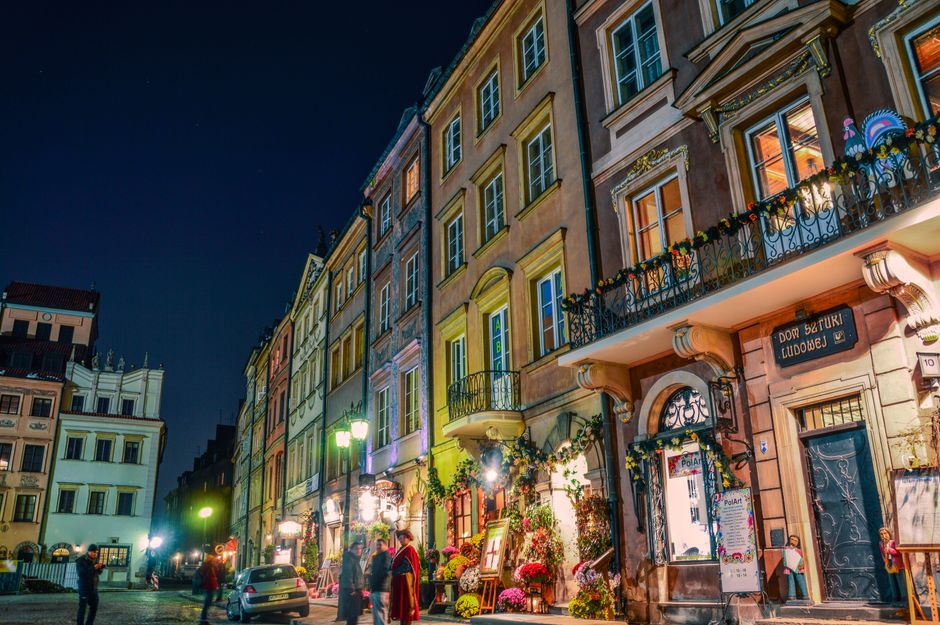
Paid museums in Europe cost $10–$25. Over 30 days, that’s $300–$750. You don’t need them. Here’s what replaces them without sacrificing experience.
- Free walking tours — Every major city has one. Tip $5. You get the same history as a paid museum, plus local context. Look for tours run by local guides, not franchise companies. In Kraków, the free tour covers the Old Town and Wawel Hill for 2.5 hours.
- Free museum days — London’s British Museum is always free. Paris’s Louvre is free on the first Saturday of each month (6pm–9:45pm). Berlin’s Museum Island is free on the first Sunday of each month. Plan your city stops around these dates.
- Public parks and viewpoints — Budapest’s Fisherman’s Bastion costs nothing to walk around. Prague’s Letná Park has a beer garden with city views. Lisbon’s Miradouro da Graça is free and less crowded than the paid viewpoints.
- Self-guided audio tours — Download the izi.TRAVEL app. It has free audio guides for 200+ European cities, created by local historians. No data needed after download.
When $50 a Day Means You Miss the Point
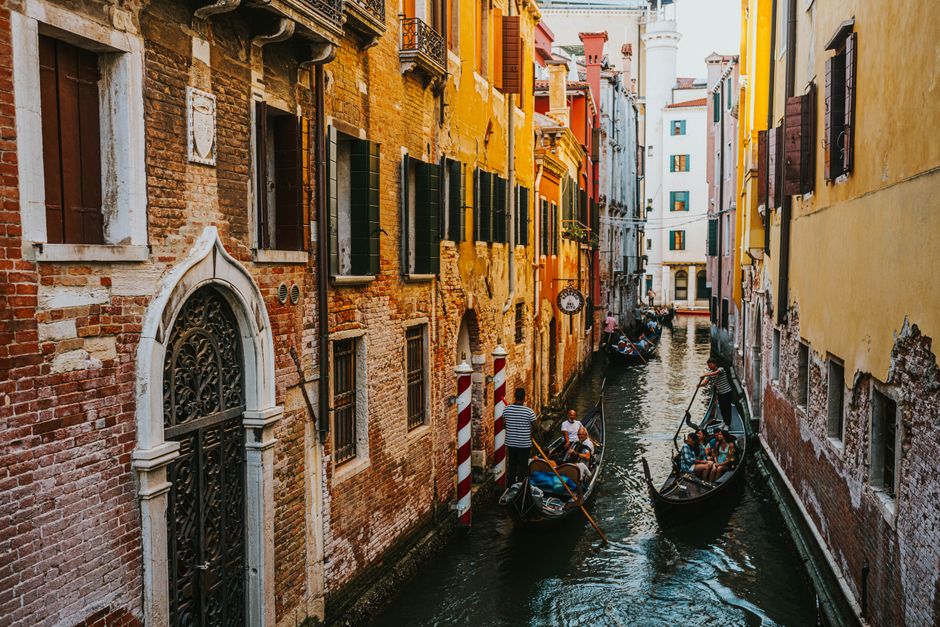
This budget works for backpacking — hostels, street food, public transport, free attractions. It does not work for a honeymoon, a family trip, or anyone who needs private rooms and sit-down dinners. If you’re traveling with a partner, the per-person cost drops to $35–$40/day because a private room in a hostel costs $35–$45 (split two ways). But if you want a hotel with a private bathroom, you’re at $60–$80/night minimum, and the budget breaks.
The tradeoff is real: you trade comfort for time. You’ll share a room with 6 strangers. You’ll eat supermarket sandwiches on park benches. You’ll take night buses to save accommodation costs. That’s fine for a 20-something with a flexible spine. If you’re 45 and need a real bed after walking 15 miles, this budget will make you miserable.
Pick the route that matches your tolerance for discomfort. The Budapest → Kraków → Prague → Vienna route is the easiest on this list — Vienna has good hostels and cheap food markets. The Sofia → Bucharest route is the cheapest but roughest — fewer free attractions, longer bus rides, more planning required. Start with the easier route, test the budget for a week, then adjust.
That $50 a day question? It works, but only if you treat the budget like a constraint, not a wish. Pick the right route, avoid the three killers, and you’ll see more of Europe than most people who spend $150 a day. Start with Budapest. It’s the cheapest gateway to the rest of the continent, and it won’t punish you for being smart with your money.