 Michael Hardy
 Can you still travel Europe for under $50 a day in 2026? Yes, but it takes planning. Prices have climbed since 2026, but the budget backpacker route is alive if you skip the obvious traps. This guide breaks down exactly where that $50 goes and how to stretch every dollar.
Where $50 Goes: A Daily Budget Breakdown
Here is the real math for a day in Eastern Europe (Budapest, Krakow, Belgrade) versus Western Europe (Lisbon, Barcelona, Berlin). These numbers reflect 2026 prices from hostel booking data and local transport apps.
| Expense | Eastern Europe | Western Europe |
|---|---|---|
| Dorm bed (hostel) | $12–$18 | $25–$35 |
| Breakfast (café + pastry) | $3–$5 | $6–$9 |
| Lunch (street food or market) | $4–$7 | $8–$12 |
| Dinner (local restaurant) | $6–$10 | $12–$18 |
| Local transport (day pass) | $2–$4 | $5–$10 |
| Museum/attraction (student rate) | $3–$7 | $8–$15 |
| Total | $30–$51 | $64–$99 |
Western Europe pushes past $50 fast. Eastern Europe stays in range. The verdict: pick your region first, then your budget fits.
Cheapest Hostels and How to Book Them
Your bed is the biggest variable. A $30 hostel in Amsterdam eats 60% of your daily budget. A $15 hostel in Wroclaw leaves room for everything else.
Best Hostel Chains for 2026
Generator Hostels (Berlin, Copenhagen, Venice) offer clean dorms from $20–$35. Book directly on their site to skip booking fees. MEININGER Hotels (Vienna, Munich, London) run $22–$40 with free breakfast at some locations. Hostelworld still works, but always compare prices with the hostel’s own website. I saved $4 a night in Prague by booking direct.
When to Avoid Hostels
In peak season (June–August), dorm prices in Barcelona hit $45. At that point, a budget hotel on Booking.com or a private room on Airbnb often costs the same for two people. For solo travelers, couchsurfing still works in smaller cities like Ljubljana or Gdańsk. Use it only if you have verified references.
Failure mode: booking a hostel far from the center to save $5, then spending $8 daily on transport and 40 minutes commuting. Always calculate total cost, not just the bed price.
Eating Well for $15 a Day
Restaurant meals in tourist squares are budget killers. A pasta dish in Rome near the Trevi Fountain costs $18. Walk 10 minutes away, and the same dish costs $9.
Street Food and Markets That Work
- Berlin: Curry 36 (currywurst + fries = $5)
- Lisbon: Time Out Market (pasteis de nata $2, seafood sandwiches $6)
- Krakow: Milk bars (bar mleczny) — pierogi plate for $3
- Barcelona: La Boqueria market (fruit cups $2, jamón bocadillos $5)
- Prague: Havelské Tržiště market (trdelník $2, sausages $3)
Supermarket Strategy
Buy breakfast and lunch at Lidl or Aldi. A baguette, cheese, apple, and yogurt costs $3–$4. Fill a reusable water bottle at any public fountain — tap water is safe across most of Western and Central Europe. In Italy, look for “fontanella” or “nasoni” fountains. Free, cold, and clean.
One mistake: buying bottled water daily. That’s $1–$2 per bottle, or $30–$60 over a month. A reusable bottle and a cheap filter (like the Grayl GeoPress) pays for itself in a week.
Getting Between Cities for $10–$30
Trains in Western Europe are fast but expensive. A Paris-to-Amsterdam TGV can cost $80 booked same-day. FlixBus and BlaBlaCar are the budget alternatives.
FlixBus: The Workhorse
FlixBus runs routes across 35+ countries. A Berlin-to-Prague ticket costs $12 if booked 3 weeks ahead. Buses have WiFi, power outlets, and a toilet. The tradeoff: 4–5 hours for a 2-hour train ride. That’s fine if you work or sleep on the bus.
BlaBlaCar: Cheaper and Faster
BlaBlaCar connects drivers with empty seats. A ride from Munich to Salzburg costs $8–$12, takes 90 minutes, and the driver usually speaks English. I’ve used it 20 times across Europe. Only book with drivers who have 4.5+ stars and at least 10 reviews.
Ryanair and Wizz Air: The Risk
Budget flights can cost $15 from London to Barcelona. But add a $25 bag fee, $10 for seat selection, and $15 for airport transfer. Ryanair and Wizz Air only work if you travel with a personal item only (40x20x25 cm). No checked bag. No priority boarding. Arrive at the airport 2 hours early. Miss that window, and the flight costs $100.
For long distances (e.g., Paris to Rome), flying beats the bus. For short hops (Prague to Vienna), take the bus or BlaBlaCar.
Free and Cheap Attractions That Beat Paid Ones
Museums in Paris cost $15–$20. The Louvre is great, but the Musée Carnavalet (history of Paris) is free. In Rome, the Pantheon costs $5 and takes 20 minutes. The Vatican Museums cost $20 and take 3 hours. Pick one big attraction per city, then fill the rest with free stuff.
Free Walking Tours
Every major city has a free walking tour. Sandemans New Europe runs them in 20+ cities. They last 2–3 hours, cover the main sights, and you tip what you want ($5–$10 is fair). The guides earn their money with local stories and hidden shortcuts.
City Passes: When They Work
The Paris Museum Pass ($60 for 2 days) pays off if you visit 4+ museums. The Berlin WelcomeCard ($30 for 48 hours) includes transport and 25% off attractions. But the London Pass ($80/day) is a rip-off unless you speed-run 6 attractions daily. Calculate your specific itinerary before buying.
Failure mode: buying a city pass because it seems like a deal, then visiting only 2 attractions. You lose money and waste time rushing.
The Real Tradeoff: Eastern vs. Western Europe
You cannot do Paris, Amsterdam, and London on $50 a day in 2026. The math doesn’t work. Hostels cost $35, a simple dinner costs $15, and a metro ticket costs $3. That’s $53 before you see a single museum.
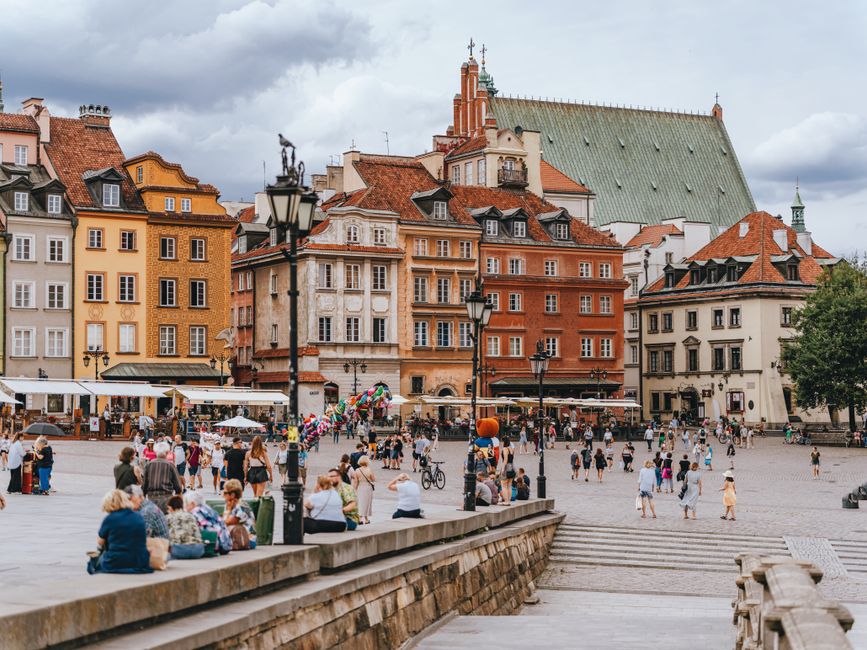
So pick your priority. If you want to stretch $50, head east. Budapest, Krakow, Belgrade, Sofia, and Riga all stay under $50 comfortably. You get better food, fewer crowds, and the same stunning architecture.
If you must visit Western Europe, limit it to one city per trip. Fly into Barcelona, spend 4 days, then bus to Valencia or Seville where costs drop 20%. Skip Switzerland entirely — a McDonald’s meal in Zurich costs $18.
My recommendation: Start in Eastern Europe for 3 weeks. Use FlixBus and BlaBlaCar. Stay in Generator or MEININGER hostels. Eat at markets and Lidl. Visit one paid attraction per city. That plan keeps you under $50 a day and gives you the real Europe — not the tourist version.