 Michael Hardy
 I have solo-traveled to 15 countries over eight years. Safety is not about avoiding risk entirely — it is about understanding the legal frameworks, cultural norms, and practical systems that make a country genuinely safe for women traveling alone. These five countries have the data to back up their reputations.
How I Define “Safest” — Beyond the Headlines
Safety for solo female travelers breaks down into three measurable categories: violent crime rates against tourists, legal protections for women, and infrastructure reliability (lighting, transport, emergency response). I cross-referenced the 2026 Global Peace Index, the Women’s Danger Index (published by the Economist Intelligence Unit), and U.S. State Department travel advisories.
Here is what I excluded: countries where harassment is legally tolerated, where police response times exceed 30 minutes in urban areas, or where public transport stops running before 10 PM.
One more thing. A low crime rate means nothing if the local culture normalizes street harassment. I weighted actual traveler reports from solo female Facebook groups and Reddit r/solotravel more heavily than government statistics. The five countries below passed both tests.
Japan — The Gold Standard for Low-Crime Infrastructure
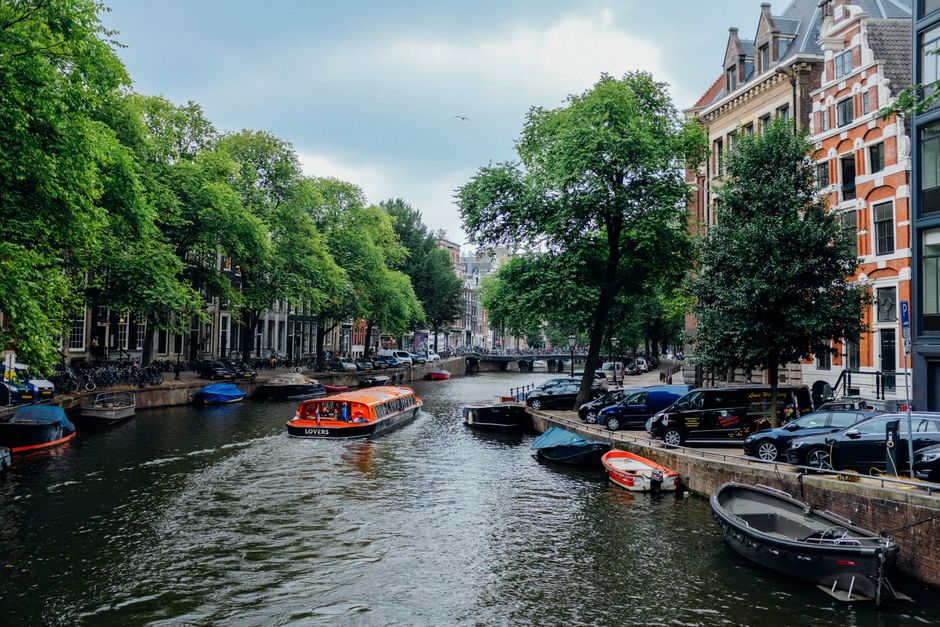
Japan has a reported robbery rate of 0.2 per 100,000 people — that is roughly 1/50th of the U.S. rate. But the real safety advantage is infrastructure. Train stations have women-only cars during rush hour. Convenience stores (7-Eleven, FamilyMart) are open 24/7 and function as safe havens. Lost items are returned to police stations at a rate above 80%.
What Solo Women Need to Know About Japan
The biggest risk is not crime — it is isolation. Japanese is not widely spoken outside major cities. Download Google Lens for translating menus and signs. Stay in business hotels like Toyoko Inn (around $60–$80 per night) which have secure keycard access and female-only floors at some locations.
Tokyo’s subway stops running at midnight. Taxis are expensive (starting fare ¥420, about $3.00). Plan your last train or budget for a capsule hotel near Shinjuku station. The police box (koban) system means an officer is typically within a 5-minute walk anywhere in central Tokyo.
When Japan Is Not the Right Choice
If you require English-friendly social interaction or nightlife that extends past 11 PM, Japan can feel restrictive. The party scene in Roppongi attracts touts and drink-spiking incidents — avoid it entirely as a solo woman. Stick to Golden Gai or Shimokitazawa for safer bar culture.
Iceland — Low Population Density, High Trust
Iceland has the lowest homicide rate in Europe (0.3 per 100,000 as of 2026). Reykjavik feels like a small town. Women walk alone at 2 AM in summer without incident. The police do not carry firearms. This is the closest any developed nation gets to genuine zero-risk for solo women.
But do not confuse lack of crime with lack of danger. Iceland’s real threat is weather and terrain. The F-roads require 4×4 vehicles. Hiking trails are unmarked in many areas. Search and rescue calls happen weekly for tourists who underestimated wind speeds.
Practical Safety Protocols for Iceland
Register your itinerary with SafeTravel.is (free government service). Carry a personal locator beacon — the Garmin inReach Mini 2 ($399) works where cell towers do not. Rent a 4×4 from Blue Car Rental (around $120/day) for any trip outside the Ring Road. The wind can flip a sedan on Route 1.
Accommodation: book guesthouses with shared kitchens (Kex Hostel in Reykjavik, around $50/night for a dorm). Private rooms run $120–$180. Solo women report feeling safer in guesthouses than hotels because staff remember who comes and goes.
New Zealand — Legal Protections and Backpacker Culture
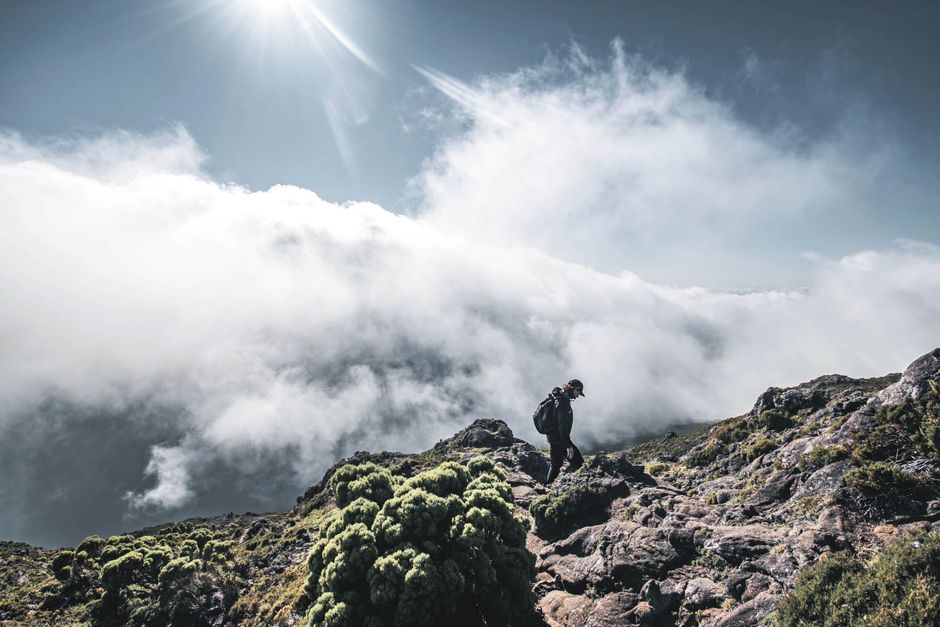
New Zealand ranks second on the Global Peace Index for 2026. The country has a dedicated Tourist Safety Code enforced by the Ministry of Business, Innovation and Employment. Hostels require keycard access and have 24-hour front desks. The police force has a specific tourism safety unit in Queenstown and Auckland.
The backpacker culture actively supports solo women. The Kiwi Experience bus network (around $500 for a 15-day pass) connects travelers and drivers who check in on solo passengers. I used this system in 2026 and never felt isolated.
Where New Zealand Falls Short
Cell coverage is absent on large stretches of the South Island. The Milford Road (SH94) has no signal for 60 km. Rental cars from Jucy or Apex (around $40–$60/day) do not include satellite phones — rent one separately for $15/day from Rent-a-Dongle. Hitchhiking is common but I do not recommend it for solo women despite local assurances.
Accommodation: YHA hostels in New Zealand have female-only dorms at most locations. Book the Haka Lodge in Queenstown ($45/night) for their lockable pod beds.
Portugal — Affordable Safety with Strong Public Transport
Portugal has a violent crime rate of 0.8 per 100,000 — lower than Spain, France, or Italy. The police presence in Lisbon and Porto is visible and responsive. The Metro system runs until 1 AM and has security cameras at every station. Solo women consistently rate Portugal as the safest entry point for European solo travel.
Cost matters for safety. Budget accommodation in Portugal means you can afford private rooms instead of dorms. A private room in an Alfama guesthouse runs $50–$70 per night. Compare that to $120 in Paris. Having your own lockable door reduces theft risk significantly.
Scams and Pickpocketing — The Real Risk
Portugal’s biggest problem is pickpocketing on Tram 28 and at Time Out Market. Keep your bag zipped and in front. Do not accept “free” rosemary sprigs from women near the Sé Cathedral — they demand payment after. The police will not intervene for amounts under €50.
Restaurants in the Bairro Alto district double-charge tourists. Check your bill against the menu prices. If the total seems high, ask for an itemized receipt in Portuguese (fatura detalhada). Most restaurants correct errors immediately when challenged.
Costa Rica — Nature-Based Safety with a Warning
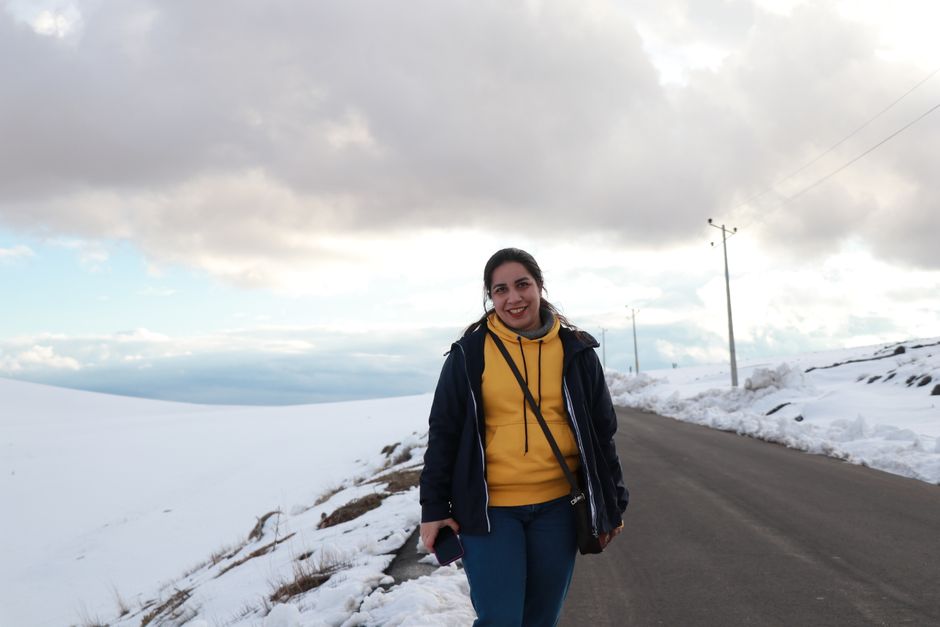
Costa Rica has the lowest homicide rate in Central America (11 per 100,000, compared to Honduras at 38). The country abolished its army in 1949. Tourism is the primary industry, which means the government actively prosecutes crimes against tourists. The Tourist Police (Policía Turística) patrol beaches and national parks in English-fluent units.
This is the best option for solo women who want jungle, beaches, and wildlife without the safety concerns of other Central American countries.
The Unspoken Risk: Transportation
Public buses are cheap ($1–$5) but unreliable after dark. The Interamericana highway has no lighting between San José and Liberia. Taxis without official red license plates (“pirate taxis”) have been linked to theft and assault. Use only Uber or official orange taxis from designated stands.
Accommodation: stay at Selina hostels (multiple locations, $30–$50 for a private room) which have 24-hour security and female-only dorms. Do not stay in shared Airbnbs in San José — the neighborhoods of La Sabana and Escalante are safe, but downtown San José after 8 PM is not.
When to Skip Costa Rica
If you cannot handle aggressive insect life and humidity, Costa Rica will make you miserable. The mosquitoes carry dengue in lowland areas. Bring Picaridin-based repellent (Sawyer Products 20% Picaridin, $9) and permethrin-treated clothing. The heat (32°C/90°F with 80% humidity) in Guanacaste from December to April is punishing without air conditioning.
Safety Comparison Table — Quick Reference
| Country | Violent Crime Rate (per 100k) | Police Response Time (urban) | Women-Only Transport | Avg. Hostel Night (Private) | Best For |
|---|---|---|---|---|---|
| Japan | 0.2 | 5–8 min | Yes — women-only train cars | $60–$80 | Ultra-low crime, 24/7 convenience |
| Iceland | 0.3 | 10–15 min | No (not needed) | $50–$120 | Night safety, nature, no harassment |
| New Zealand | 0.8 | 10–20 min | No | $45–$60 | Backpacker community, outdoor safety |
| Portugal | 0.8 | 8–12 min | No | $50–$70 | Affordable Europe, good transport |
| Costa Rica | 11.0 | 15–30 min | No | $30–$50 | Nature, wildlife, tourist police |
Data sources: Global Peace Index 2026, Numbeo crime statistics, U.S. State Department travel advisories. Hostel prices are averages for private rooms in 2026 high season.
None of these countries guarantees zero risk. But these five have the legal systems, infrastructure, and cultural norms that make solo female travel not just survivable but genuinely enjoyable. Pick based on your tolerance for weather, language barriers, and transport reliability — not just the crime stats.