 Michael Hardy
You booked the flight to Kilimanjaro. You picked the safari lodge. Then someone asks, “What shots did you get?” and your stomach drops. Tanzania’s vaccine requirements are confusing because they change based on where you’re flying from, not just where you’re going. This guide cuts through the noise.
I’ve checked the current Tanzania Ministry of Health entry rules, cross-referenced them with CDC and WHO guidance, and included real costs from travel clinics in the US and UK. No fear-mongering. No unnecessary jabs. Just what you need, when to get it, and what you can skip.
Yellow Fever: The One Vaccine That Can Actually Stop You at the Border
Yellow fever is the only vaccine Tanzania actively checks at entry points. But here’s the catch most travelers miss: the requirement depends on your transit country, not your home country.
If you fly directly from the US, UK, Canada, or most European countries, Tanzania does not require a yellow fever certificate. You can enter without it. However, if you have a layover longer than 12 hours in a yellow fever endemic country — Kenya, Ethiopia, Uganda, Rwanda, or Ghana — you must show proof of vaccination. This catches a lot of people because Nairobi and Addis Ababa are major African airline hubs. A 4-hour layover in Nairobi? No certificate needed. A 14-hour overnight layover? You need the shot.
The vaccine itself costs between $150 and $250 at US travel clinics. Passport Health and CVS MinuteClinic both offer it. In the UK, Boots Travel Clinic charges around £60-£85. The vaccine is live, so you need it at least 10 days before arrival for the certificate to be valid. It lasts for life now — the WHO changed the rule in 2016, so ignore any clinic trying to sell you a booster if you’ve had one before.
One warning: the yellow fever vaccine is not recommended for people over 60, pregnant women, or anyone with a weakened immune system. If you fall into those categories and transit through an endemic country, get a medical waiver letter from a travel clinic. Tanzania accepts waivers, but you need the official document.
Routine Vaccines You Probably Already Have (But Should Check)
Before you spend money on exotic shots, check your routine immunization record. Tanzania doesn’t require proof, but you want these current because healthcare infrastructure outside Dar es Salaam and Arusha is limited.
Measles, mumps, rubella (MMR), tetanus, diphtheria, and pertussis (Tdap), polio, and varicella should all be up to date. If you had your last tetanus shot more than 10 years ago, get a booster. A tetanus infection from a small cut on a safari is a real risk, and the booster costs $50-75 at most pharmacies. Cheap insurance.
Hepatitis B is worth considering if you’re staying longer than a month, doing volunteer work, or planning any medical procedures. The three-dose series takes six months to complete, so start early. Twinrix (combined hepatitis A and B) is available at most travel clinics and costs around $100-140 per dose in the US.
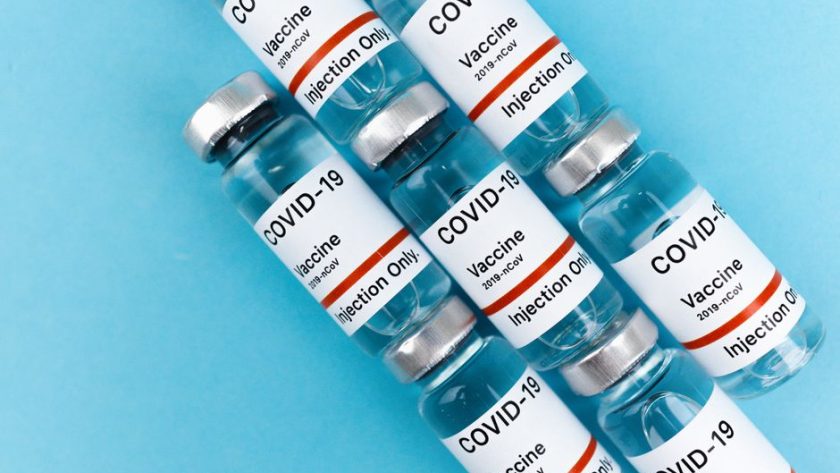
COVID-19: Tanzania dropped all vaccination and testing requirements in 2026. No proof needed. But bring a few rapid tests anyway — you don’t want to be the person coughing through a shared safari vehicle wondering if it’s malaria or COVID.
Malaria: No Vaccine, But This Decision Matters More Than Any Shot
Malaria is the biggest health risk you’ll face in Tanzania, and there’s no vaccine that fully protects adults. The RTS,S malaria vaccine (Mosquirix) is approved for children in endemic areas, not for travelers. So your protection comes down to two things: antimalarial pills and mosquito bite prevention.
You have three main pill options:
| Drug | Dosing | Cost (30 days) | Key Side Effects | Best For |
|---|---|---|---|---|
| Malarone (atovaquone-proguanil) | Daily, start 1-2 days before | $180-250 | Mild nausea, vivid dreams | Short trips, last-minute travelers |
| Doxycycline | Daily, start 1-2 days before | $30-60 | Sun sensitivity, stomach upset | Budget travelers, long stays |
| Lariam (mefloquine) | Weekly, start 2-3 weeks before | $80-120 | Vivid dreams, anxiety, dizziness | People who hate daily pills |
Malarone is the clear winner for most safari travelers. You start it just one or two days before arrival, and you only continue for seven days after leaving the malaria zone. Doxycycline is much cheaper but causes sun sensitivity — a genuine problem when you’re on a walking safari in the Serengeti. Lariam has a bad reputation for psychiatric side effects, and while not everyone experiences them, I wouldn’t risk it for a two-week trip.
Bite prevention matters just as much. Use a repellent with 30-50% DEET or 20% picaridin. Sawyer Products makes a good 20% picaridin lotion that doesn’t melt plastic sunglasses like DEET can. Sleep under a treated net — most lodges provide them — and wear long sleeves at dusk when Anopheles mosquitoes are most active.
Hepatitis A and Typhoid: The Food and Water Shots
These two vaccines protect against diseases you get from contaminated food and water. Tanzania’s tap water is not safe to drink, and even at nice lodges, raw vegetables washed in local water can transmit hepatitis A. Typhoid is less common but harder to treat, with increasing antibiotic resistance.
Hepatitis A vaccine (Havrix or Vaqta): You need two doses, six months apart, for lifetime protection. But even one dose given two weeks before travel provides over 90% protection. Cost: $75-120 per dose. If you got the hepatitis A vaccine as a child, you’re covered — check your records before paying for another series.
Typhoid vaccine: You have two choices. The injectable Typhim Vi lasts two years and costs $85-110. The oral Vivotif is a four-pill series you take every other day over a week, lasts five years, and costs $60-90. The oral version is cheaper and lasts longer, but you have to remember to take all four pills on schedule. If you’re disorganized, get the shot.
Here’s my honest take: if this is a one-time two-week safari, get hepatitis A and skip typhoid unless you’re staying in budget guesthouses or eating street food daily. If you’re backpacking, volunteering, or staying longer than a month, get both. The risk scales with exposure, not with how adventurous you feel.
What You Can Safely Skip
Travel clinics make money by selling vaccines, and some will push shots you genuinely don’t need for Tanzania. Here’s what to decline politely.
Rabies is the big one. Pre-exposure rabies vaccine costs $300-400 for the series, and Tanzania has rabies in dog populations. But unless you’re a cyclist, runner, cave explorer, or working with animals, your risk is low. Post-exposure treatment is available in Arusha, Dar es Salaam, and Moshi. Skip the pre-exposure series for a standard safari.
Cholera: The oral cholera vaccine (Vaxchora) is approved in the US but Tanzania is not a high-risk zone for typical tourists. Skip it unless you’re doing humanitarian work in refugee camps.
Japanese encephalitis, meningococcal, and tick-borne encephalitis: Not relevant to Tanzania. If your clinic suggests these, find a new clinic.
One thing you should NOT skip: a basic first-aid kit. Pack loperamide (Imodium), oral rehydration salts, a broad-spectrum antibiotic like azithromycin (your doctor can prescribe for traveler’s diarrhea), antihistamines, and a digital thermometer. Pharmacies in Tanzania are fine in cities but scarce on safari routes.
Timing and Cost: The Practical Plan
Here’s the schedule that prevents last-minute panic. Book your travel clinic appointment 6-8 weeks before departure. That gives you time for any multi-dose series and lets you spread the cost.
At the 6-week mark, get hepatitis A (first dose), typhoid, and any routine boosters. At 4 weeks, get yellow fever if you need it. At 2 weeks, start Malarone or doxycycline if that’s your choice. At 1 week, do a final check: passport, yellow fever certificate, prescription meds in original bottles, and a printed list of your vaccinations.
Total cost for a typical US traveler getting yellow fever, hepatitis A, typhoid, and a month of Malarone: $500-700. That’s real money, but it’s less than 5% of a typical Tanzania safari budget. The alternative — getting seriously ill 200 miles from proper medical care — costs far more.
You booked the flight. You picked the lodge. Now get the shots done, pack the DEET, and stop worrying. The Serengeti is waiting, and it doesn’t care about your vaccination record — but the border agent in Nairobi might.