 Michael Hardy
Is Seville worth visiting in winter, or will rain and short days spoil the trip? Yes, it is worth it. Winter gives you cool walking weather, fewer tour groups, orange trees heavy with fruit and enough daylight for the major sights. You need a jacket after sunset, though. Seville is mild, not tropical.
What is Seville weather like in winter?
Seville winter weather is comfortable by northern European standards but changeable enough to punish light packing. The official climate normals from Spain’s weather service show average daytime highs of about 16°C in January and 18°C in February, while nights can fall to 6–7°C. December brings similar daytime temperatures but more rain. Check the AEMET climate normals before you leave, then pack for layers rather than one bulky coat.
December, January and February compared
| Month | Average high | Average low | Average rainfall | Best use |
|---|---|---|---|---|
| December | 16.6°C | 7.3°C | About 99 mm | Festive streets and green courtyards |
| January | 16.0°C | 5.7°C | About 66 mm | Quietest major sights |
| February | 18.1°C | 7.0°C | About 50 mm | Longer afternoons and early blossoms |
What the forecast does not show
The coldest part of the day is usually early morning, not lunchtime. A sunny afternoon beside the Guadalquivir can feel warm, but a damp evening in Santa Cruz feels much colder than the thermometer suggests. Bring a thin down jacket or warm overshirt, a compact waterproof shell, comfortable shoes with grip and sunglasses. A scarf earns its place on windy days.
Winter also brings the city’s famous bitter oranges into focus. The trees are not decorative leftovers from summer; many carry bright fruit through the cooler months. Do not eat them straight from the branches. They are sour and bitter, and the trees sit beside busy roads. Their value is visual and atmospheric: green leaves, orange fruit, tiled façades and low winter light.
Why winter is the best time for a first Seville trip
My clear verdict is simple: choose winter for a first visit if your priority is seeing Seville on foot instead of hiding from heat. Summer sightseeing can mean 35°C or more, forced afternoon breaks and crowded indoor attractions. Winter lets you walk from the cathedral to the river, stop for coffee, then continue without turning the day into a heat-management exercise.
You will still find rain, early sunsets and occasional cold mornings. Those are fair trade-offs for calmer streets around the Plaza de España, easier photographs in the Real Alcázar gardens and a better chance of eating dinner without planning every minute. January is the quietest choice; February is my pick for the best balance of mild afternoons and longer daylight.
The strongest reason to come is the rhythm of the city. Seville rewards slow movement: one courtyard, one square, one small bar at a time. Winter removes the pressure to race between landmarks before the sun becomes unbearable. Pack for two seasons in one day and Seville feels relaxed, bright and deeply walkable.
How to spend three days in Seville in winter
Three days is enough for the historic centre, the main monuments and one slower neighbourhood day. I would not add Córdoba or Cádiz to this schedule. The travel time would steal the exact quality that makes Seville good in winter: unhurried wandering.
Day 1: Cathedral, Giralda and Santa Cruz
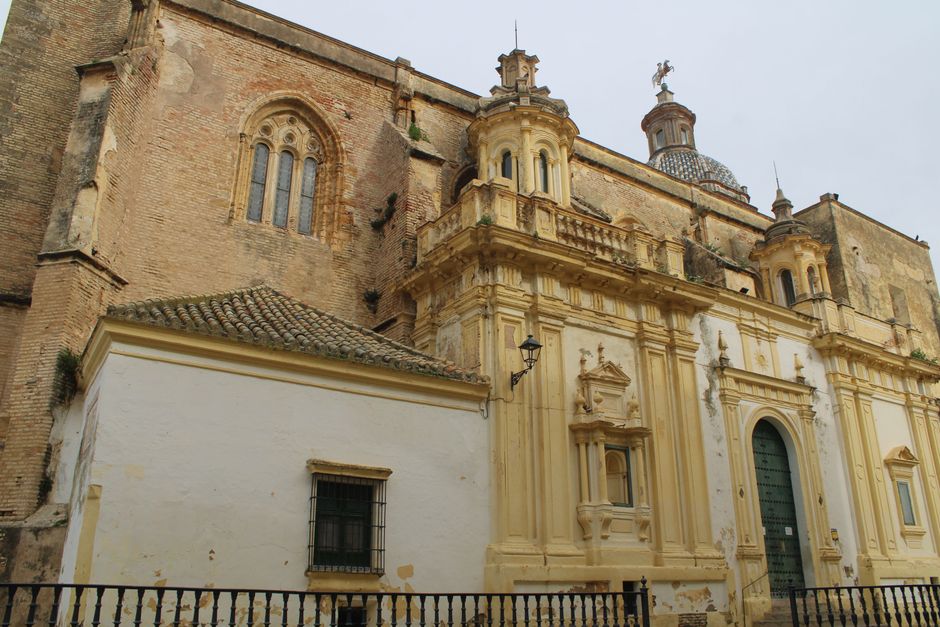
Start at Seville Cathedral and the Giralda. Allow two to three hours for the interior, tower ramp, chapels and Patio de los Naranjos. The cathedral’s winter timetable can differ from its summer schedule, and Sunday access starts later, so check the official page before choosing your entry slot. Wear clothing that covers shoulders and knees inside the church.
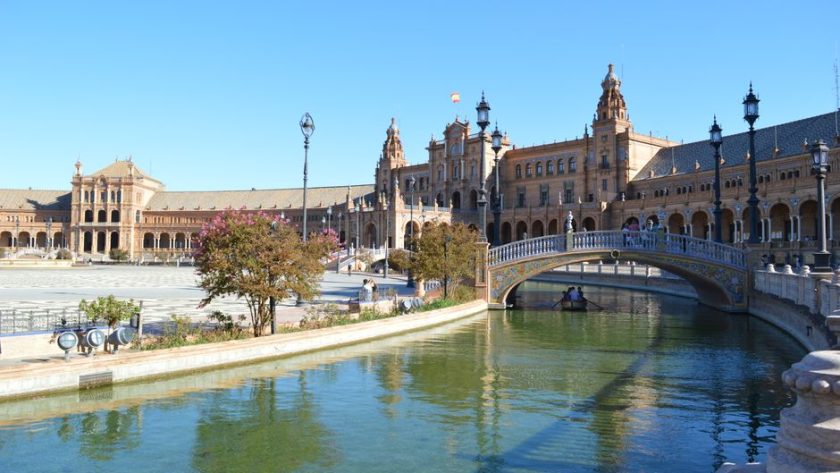
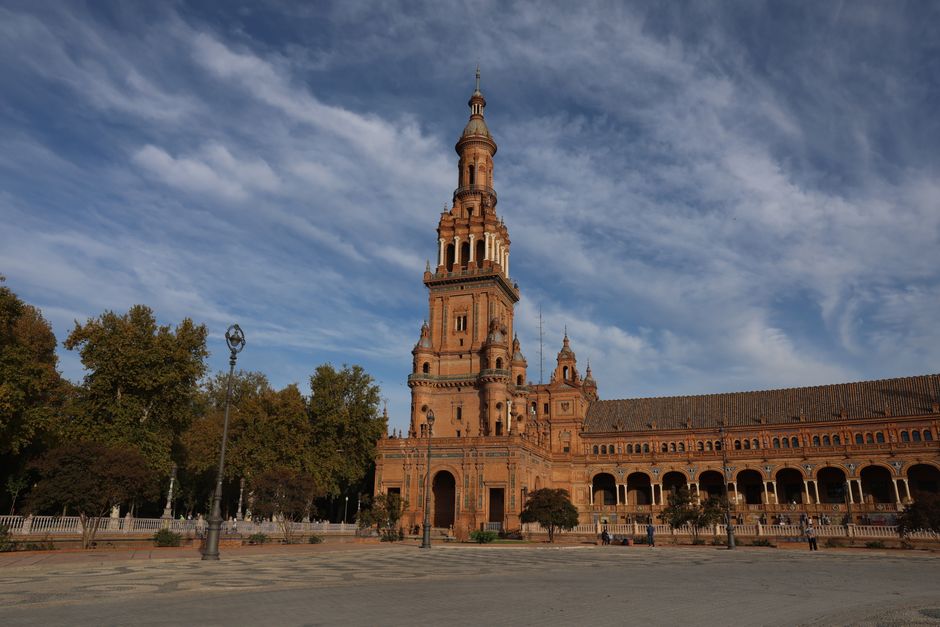
After lunch, walk through the narrow lanes of Santa Cruz toward the Jardines de Murillo. This is the best day for orange-tree photographs because the route links shaded courtyards, tiled walls and open garden paths without long transfers. Finish at Plaza de España before sunset. Give it at least an hour; the scale only makes sense when you walk around the curved building and along the canal.
Day 2: Real Alcázar and the river
Book the Real Alcázar for the first available morning slot. The palace rooms are only half the visit; the gardens need time, especially the upper terraces and long paths near the outer walls. Winter is ideal here because you can explore without looking for shade every five minutes.
In the afternoon, cross toward Triana and walk beside the Guadalquivir. Visit the Mercado de Triana if it is open, then continue along Calle Betis for river views back toward the old city. I prefer this route to a rushed museum visit because it shows how Seville works as a living city, not only as a collection of monuments.
Day 3: Macarena, Alameda and a flexible afternoon
Begin around the Basilica de la Macarena and the old city walls. Continue toward Alameda de Hércules, where cafés and broad pedestrian space make a good late-morning stop. From there, return through the centre using streets you skipped on day one.
Keep the afternoon flexible. Use it for a flamenco performance, a second look at the Alcázar gardens or a rainy-day museum. The best winter itinerary has one open block because a sudden shower, a delayed lunch or a closing day can otherwise wreck the whole plan.
What should you pack and book for Seville in winter?
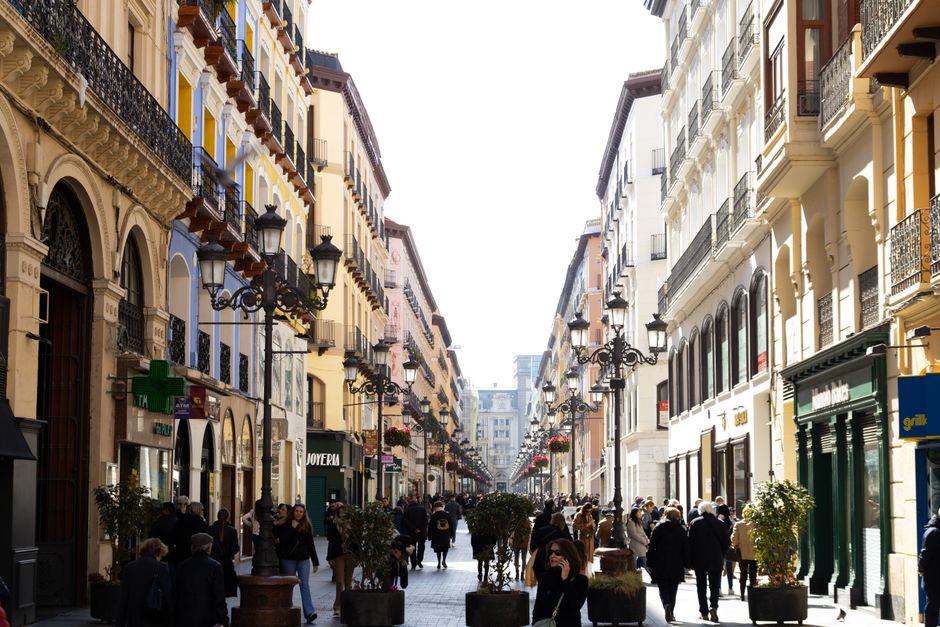
Pack for walking, temperature swings and rain that may last an hour rather than all day. My recommended kit is practical:
- Wear layers: a T-shirt or long-sleeve base, a warm overshirt and a light waterproof jacket. This handles a 6°C morning and a sunny 18°C afternoon.
- Choose shoes with cushioned soles and grip. Historic paving is uneven, polished in places and tiring after 15,000 steps.
- Bring a small umbrella or waterproof shell. Do not rely on an umbrella from your hotel if the forecast shows wind.
- Carry sunglasses and lip balm. Winter sun is bright, and the dry air can catch you by surprise.
- Keep a small bag for a scarf, water bottle and folded layer. You will remove clothing as the day warms.
Book these first
Reserve the Real Alcázar and Seville Cathedral before the trip, especially for Friday through Sunday. Use official ticket pages where possible and check winter opening times because religious services, maintenance and public holidays can change access. The cathedral’s official visitor information currently lists winter hours that differ by weekday and Sunday.
Do not overbook the evenings
Leave at least one evening open for a late meal or a flamenco show chosen after you arrive. A common mistake is booking a performance on the far side of town immediately after a timed monument entry. Seville is walkable, but restaurant meals run late and winter rain can slow every transfer.
What can go wrong on a winter visit?
Will it rain for the whole trip?
Usually, no. Rainfall is more common in December and January than in February, but a three-day forecast can still change quickly. The mistake is treating a rainy morning as a lost day. Put the cathedral, palace or another indoor sight on the wettest forecast day, then use the gardens and river when the sky clears.
Are the orange trees edible?
No. Seville’s street oranges are bitter varieties, and many are treated or collected for commercial use. Enjoy the colour and scent, but buy fruit from a market instead. Do not pick from public trees.
Can you see everything in three days?
Not properly. Trying to add Córdoba, Cádiz, Itálica and every major museum will turn the visit into transport logistics. For three days, stay in Seville and choose depth over a checklist. The city’s best moments often happen between the named attractions: a tiled courtyard, a quiet lane, a table outside a neighbourhood bar.
Also check for local holidays and major events before booking accommodation. A festival can make the city more lively, but it can also raise room prices and change access around the centre. My final recommendation is to visit Seville in February, stay within walking distance of the historic centre, reserve the Cathedral and Real Alcázar, and keep one afternoon free for orange-tree streets, Triana and whatever the weather makes possible.