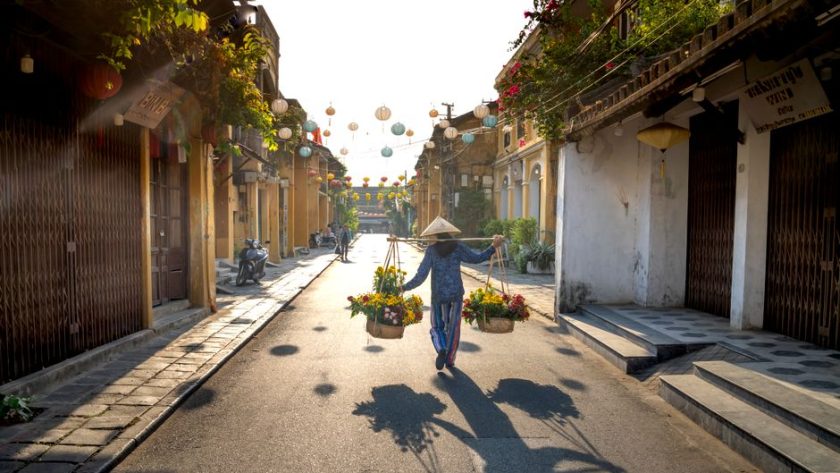
 Michael Hardy
 You booked the flight. Hanoi or Ho Chi Minh City. Then someone at work said, “Vietnam alone? Isn’t that dangerous?” And now you’re second-guessing a trip you were excited about three days ago.
Here’s what nobody tells you: solo travel in Vietnam is one of the easiest introductions to Southeast Asia. The tourist infrastructure is mature, the buses run on time-ish, and millions of people do this route every year. But bad advice costs money. You’ll overpay for private transfers you don’t need, book tours that herd you through the same five photo spots, and miss the places that actually make the trip.
This article breaks seven myths that drain your budget and shrink your trip. No fluff. Just what to skip, what to book, and where to put your dong.
The “Vietnam Is Dangerous Alone” Myth
Petty theft exists. So does getting overcharged by a xe om driver who sees a foreign face. But violent crime against tourists is rare, and the biggest risk you face is crossing the street in Hanoi’s old quarter.
The real danger is paying for fear. Travelers who believe this myth book private airport pickups for $25 when the 86 bus from Noi Bai Airport to Hanoi’s old quarter costs 45,000 VND (about $1.80). They skip night markets. They miss the 5 a.m. walk around Hoan Kiem Lake where hundreds of locals do tai chi.
What actually keeps you safe:
- Keep your phone out of your back pocket in District 1, Ho Chi Minh City. Snatch-and-grab on motorbikes happens.
- Use Grab (the Southeast Asian Uber) for every ride. Price shows before you confirm. No haggling, no cash drama.
- Book your first two nights in a hostel with 24-hour reception. The Old Quarter View Hanoi Hostel and Vietnam Backpacker Hostels in Hanoi both have staff who help you figure out the next move.
- Buy a local SIM at the airport. Viettel or Mobifone. 200,000 VND gets you enough data for three weeks of Google Maps.
You’re not walking into a war zone. You’re walking into a country where the biggest threat is a motorbike ignoring a red light.
What Solo Travel in Vietnam Actually Costs

Forget the $50-a-day backpacker fantasy. That’s possible but miserable. You’ll sleep in 12-bed dorms, eat banh mi for every meal, and skip the Ha Giang Loop because the bike rental feels expensive.
Here’s a realistic solo budget for a comfortable trip — private rooms in hostels or budget hotels, street food plus the occasional sit-down restaurant, and all the main activities.
| Expense | Budget Solo | Comfort Solo | Notes |
|---|---|---|---|
| Accommodation | $8–12/night | $20–35/night | Dorm vs. private room with AC |
| Food | $8–10/day | $15–20/day | Street food vs. cafes and restaurants |
| Transport (intercity) | $5–10/day | $15–25/day | Sleeper bus vs. train or flight |
| Activities | $5–10/day | $15–30/day | Self-guided vs. tours |
| SIM + laundry + misc | $3–5/day | $5–8/day | Weekly laundry, coffee, water |
| Total | $30–45/day | $70–115/day | Excludes international flights |
The biggest budget leak isn’t accommodation. It’s booking tours through your hotel. A Halong Bay cruise booked at a Hanoi hostel desk costs $120–180. The same cruise booked directly through Cat Ba Ventures or Lily’s Travel Agency in Hanoi costs $80–110 for a 2-day/1-night trip. Hotels take a 20–30% cut.
Book transport on 12Go Asia or Baolau. Both show real-time availability and prices for buses, trains, and ferries. A Hanoi to Sapa sleeper bus costs $12–18. A private car costs $120. You don’t need the car.
The Route That Actually Works
Most solo travelers try to do everything in two weeks. Hanoi, Sapa, Halong Bay, Hue, Hoi An, Ho Chi Minh City, Mekong Delta. That’s a bus every other night and zero time to breathe.
Here’s the fix: pick one region and go deep. North Vietnam is the better solo trip for first-timers. Better hostels, cooler weather, and the Ha Giang Loop — the single best thing you can do alone in the country.
North Vietnam: 10 Days
- Days 1–3: Hanoi. Old quarter, Train Street (go early, buy a coffee, sit), Ho Chi Minh Mausoleum, eat bun cha at Bun Cha Huong Lien where Obama ate.
- Days 4–5: Ha Giang. Take the night bus from Hanoi ($12). Rent a semi-automatic Honda Blade from Jasmine Hostel or QT Motorbikes. Do the 3-day loop with an easy rider if you’ve never ridden a motorbike.
- Days 6–7: Loop continues. Stay in homestays in Dong Van and Du Gia. Pay $8–10 for a bed and family dinner.
- Days 8–10: Bus back to Hanoi. Fly out or head to Cat Ba for climbing and a cheaper Halong Bay alternative.
Central + South Vietnam: 10 Days
- Days 1–3: Fly into Da Nang. Stay in Hoi An. Get clothes made at Bebe Tailor if you want the experience, but know it’s not a bargain — good tailoring costs $80–150 per piece.
- Days 4–5: Hue. The imperial city and abandoned water park. Rent a motorbike and ride the Hai Van Pass north to south or south to north.
- Days 6–7: Fly to Ho Chi Minh City. War Remnants Museum, Cu Chi tunnels (go with Les Rives for the speedboat option, $45).
- Days 8–10: Mekong Delta. Skip the floating market day tours from HCMC. Take a bus to Can Tho and book a sunrise boat at 5 a.m. directly with a boatman for $15.
The mistake is trying to do both. Pick one. The country isn’t going anywhere.
Solo Travel Vietnam: The Loneliness Question
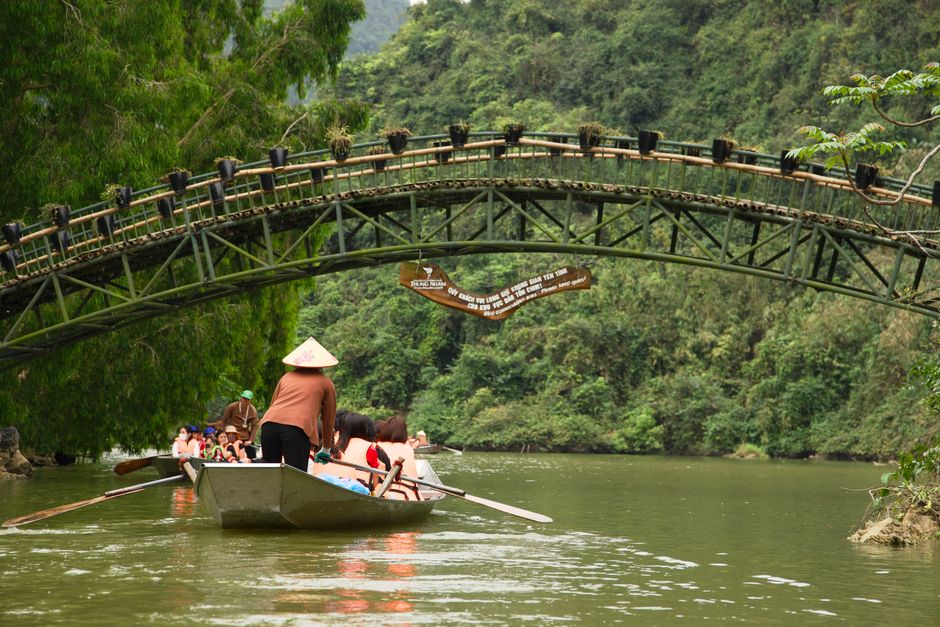
You will not be alone unless you want to be. Vietnam’s hostel scene is built for solo travelers. The social infrastructure is stronger than almost anywhere in Southeast Asia.
But here’s the part nobody says out loud: some hostels are party hostels, and some are quiet. Booking the wrong one changes your entire trip. Mad Monkey in Hanoi and Hoi An runs pub crawls every night. Great if you’re 22 and want to meet people. Terrible if you’re 35 and want sleep before a 6 a.m. bus.
For a calmer social scene, book Little Charm Hanoi Hostel or Bed Station Hostel in Hoi An. Both have common areas where conversations happen naturally, not over a beer bong.
Even if you’re not a hostel person, you’ll meet people on the Ha Giang Loop. Every homestay along the route serves family dinners at long tables. By night two, you’ll know everyone’s name and where they’re from. This is not an exaggeration — it’s the most reliably social experience in Vietnam.
If you want true solitude, skip the hostels entirely. Book a private room in a homestay in Phong Nha or Pu Luong. You’ll eat with the family, hike alone during the day, and no one will ask you to join a pub crawl.
The Sleeper Bus Mistake Almost Everyone Makes
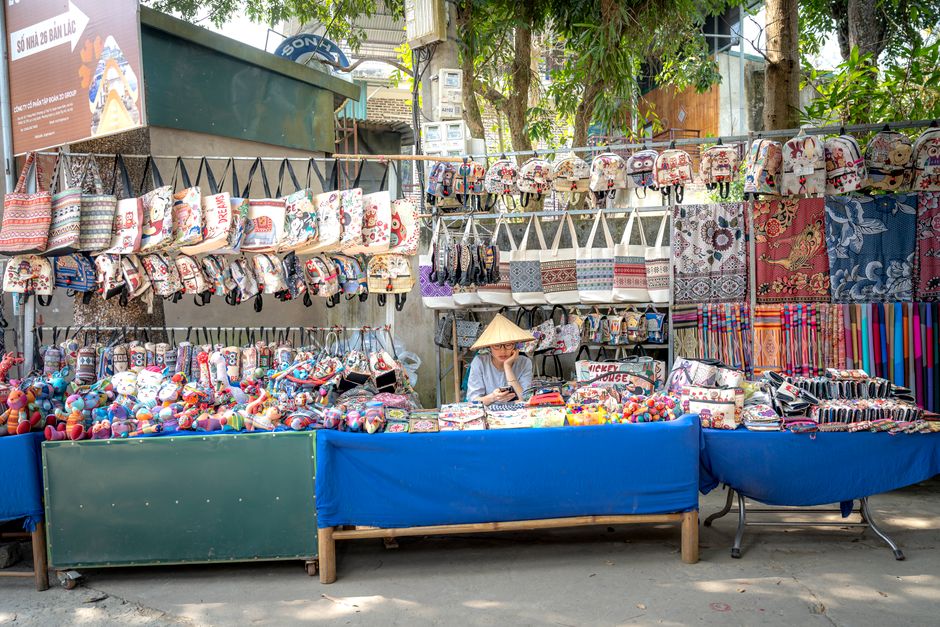
You’ll hear horror stories about sleeper buses in Vietnam. Drivers on their phones. Buses that leave at 1 a.m. and arrive at 4 a.m. Seats designed for someone 5’2″.
Some of this is true. But the real mistake is booking the cheapest option on 12Go Asia and assuming all buses are equal. They’re not.
Book VIP cabin buses. Companies like Kadbus, Sapa Express, and G8 Sapa Open Tour run buses with individual cabins — a reclining seat or lie-flat bed with a curtain, USB port, and sometimes a small TV. A Hanoi to Sapa VIP cabin costs $18–22. The cheapest local bus costs $10. The $8 difference buys you sleep, a clean blanket, and a driver who isn’t stopping every 40 minutes to pick up cargo.
For overnight routes, choose a bus that departs between 9 p.m. and 11 p.m. and arrives between 5 a.m. and 7 a.m. Arriving at 3 a.m. in a new city is the worst solo travel experience in Vietnam. You’ll sit outside a locked hostel with your bag until sunrise.
If you’re over 6 feet tall, take the train. The SE1 and SE3 trains from Hanoi to Da Nang have soft sleeper berths that fit actual humans. Book a lower berth in a 4-berth cabin. It costs $25–35 and you’ll actually sleep.
One more thing: bring earplugs. Every bus honks. Every train clacks. Every rooster in Vietnam starts at 4:30 a.m.
Solo travel in Vietnam is not the risky, lonely, budget-destroying trip that myths make it out to be. It’s a well-worn route with better infrastructure than most of Southeast Asia, a social scene that pulls you in, and food that costs less than your airport lunch back home.
You booked the flight. Now book the VIP bus, skip the hotel tour desk, and go ride the Ha Giang Loop with people you haven’t met yet.