 Michael Hardy
 Long journeys with kids can feel like an endurance test. You’ve packed snacks, charged the tablet, and loaded up the car—but within 30 minutes, the backseat chorus starts: “I’m bored.” These 7 travel games and activities work in 2026 because they’re simple, require zero setup, and keep kids engaged without a screen.
1. The License Plate Game (with a 2026 Twist)
This classic game gets a fresh update. Instead of just spotting plates, kids earn points based on distance. A plate from your home state = 1 point. A neighboring state = 3 points. Any state at least 5 hours away = 5 points. Canadian provinces? 10 points each.
Print a simple scorecard before you leave. Fold it into the sun visor so it’s easy to grab. Kids tally points as they spot plates. The winner gets to pick the next rest stop snack.
Pro tip: For younger kids (ages 4-6), switch to spotting colors instead. “Find a red car” or “spot a blue truck.” Same idea, lower difficulty.
Failure mode: Kids argue over who saw the plate first. Solution: assign each kid a “direction”—left side vs. right side of the car. No overlap, no fights.
2. The Story Chain Game (Zero Materials Needed)

One person starts a story with one sentence. The next person adds a sentence. Keep going until the story ends—or crashes into absurdity. Example: “Once upon a time, a penguin named Fred decided to visit the Sahara Desert.” Next kid: “But he forgot his sunscreen and got sunburned.” Next: “So he borrowed a camel’s umbrella.”
This game builds listening skills and creativity. It works for all ages, even toddlers who just repeat the last word. No batteries, no pieces to lose.
When NOT to play: If your kids are already overtired or hungry, skip this. It requires focus. Play it fresh after a rest stop, not during the witching hour before lunch.
Verdict: Best for ages 5-12. For the 2026 family, this is the cheapest and most flexible activity in the car.
3. The Quiet Box: A Pre-Packed Activity Kit
This isn’t a game—it’s a system. Before the trip, grab a small shoebox or a zippered pouch. Fill it with 5-7 low-mess items. Examples: a small pad of sticky notes, 3 washable markers, a pack of animal crackers, a mini magnifying glass, and a deck of cards.
The rule: the Quiet Box only comes out once. Hand it over at the 2-hour mark, when boredom peaks. Kids explore the contents for 30-45 minutes. When it’s empty, the novelty is gone. Pack it away until the next trip.
| Item | Cost | Why It Works |
|---|---|---|
| Sticky notes (3×3) | $2 | Kids can draw, stick, peel, and restick. Endless reuse. |
| Washable markers (3-pack) | $3 | Non-toxic, wipes off car seats with a baby wipe. |
| Mini magnifying glass | $4 | Kids examine seat fabric, map, or their own fingerprints. |
| Deck of cards | $2 | Go Fish, War, or building card towers on the seat tray. |
| Animal crackers (small pack) | $2 | Snack + sorting game. Sort by animal type before eating. |
Total cost: $13. Less than one fast-food meal. Reusable for every trip.
4. The “I Spy” Upgrade: Alphabet Edition
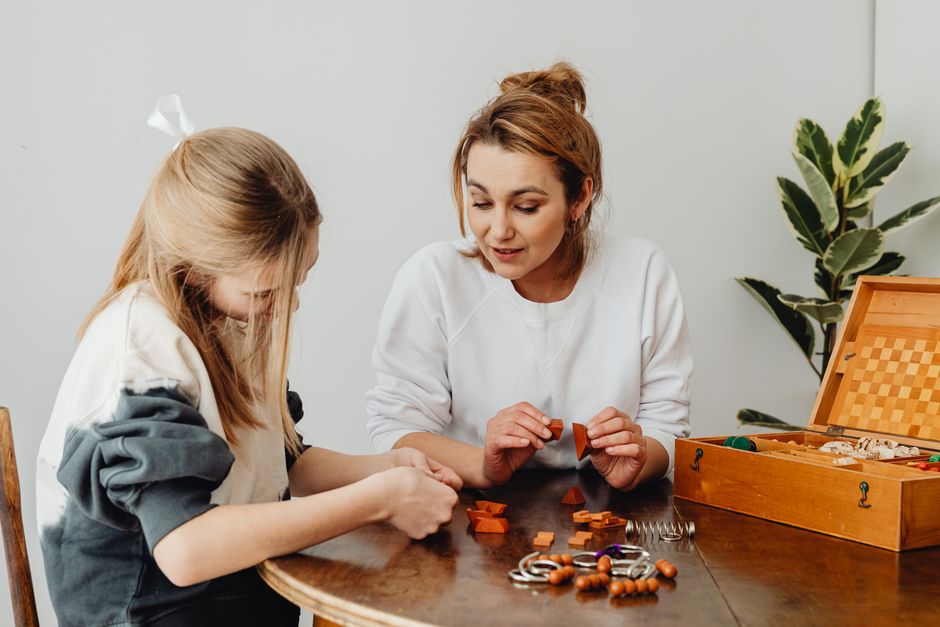
Standard I Spy gets old fast. The Alphabet Edition forces kids to scan the world around them for letters. “I spy something that starts with the letter B.” Answer: “Bridge.” “Bus.” “Blue car.” Go through the whole alphabet from A to Z. It takes about 20-30 minutes per round.
For older kids (8+), make it harder: find the letter on a road sign, not just an object. “Find a sign with the letter Q.” That’s a real challenge because Q is rare. This keeps them scanning for 10+ minutes per letter.
Common mistake: Letting one kid dominate. Rotate who picks the letter. If you have three kids, each picks a letter in turn. Everyone gets a chance.
5. The Audio Story Swap (Screen-Free Listening)
Download 2-3 audio stories or podcasts before you leave. Play one episode aloud through the car speakers. After 10 minutes, pause it. Ask each kid: “What do you think happens next?” Let them guess. Then play the next 5 minutes. Pause again. Compare their guesses to reality.
This transforms passive listening into active engagement. Kids aren’t just hearing a story—they’re predicting, arguing, and laughing at wrong guesses.
Best audio picks for 2026: Look for short-form podcasts (15-20 minutes per episode). “Stories Podcast” or “Circle Round” work well for ages 4-10. For older kids, try “The Unexplainable Disappearance of Mars Patel”—a mystery serial that hooks even skeptical tweens.
Verdict: This is the single best screen-free alternative to a tablet. It buys you 45-60 minutes of quiet, engaged kids.
6. The Road Trip Bingo Card (Printable, Free)
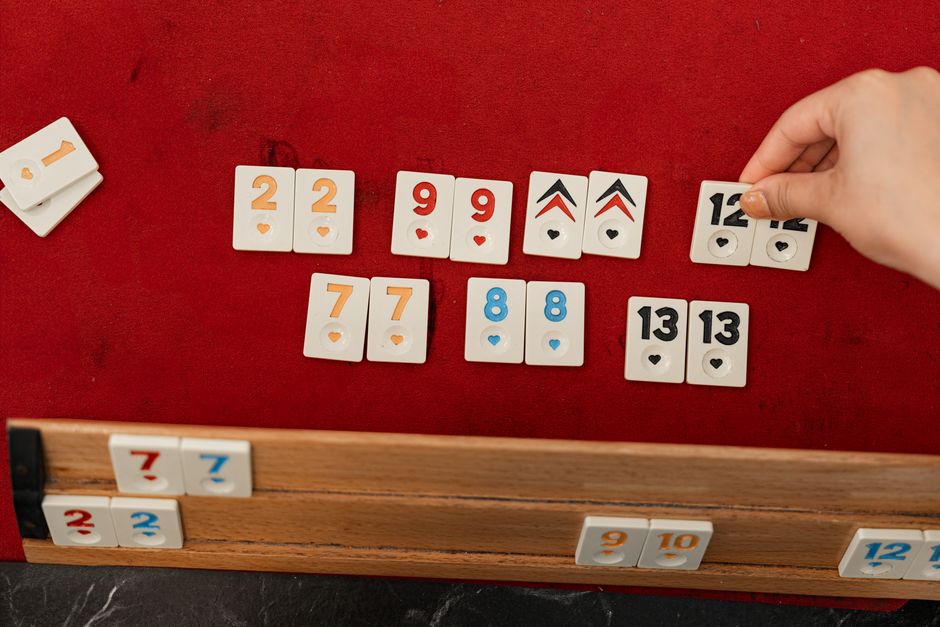
Before you leave, print a bingo card for each kid. The card has 5×5 squares with common road sights: “red barn,” “cow,” “gas station with a green sign,” “motorcycle,” “school bus,” “yellow car.” Kids mark squares as they spot them. First to get five in a row wins.
Make it harder for older kids: use a 6×6 grid with rarer items like “license plate from Texas” or “wind turbine.” This extends playtime to 2+ hours.
Warning: Do NOT use laminated cards unless you have dry-erase markers that don’t smudge. Regular paper + crayons works better. Crayons don’t smear on hot car windows.
Alternative: If you forgot to print cards, use the free app “Road Trip Bingo” (iOS/Android). It shows a digital card with no ads. But the paper version is better because it keeps kids looking out the window, not at a screen.
7. The Silence Challenge (Yes, Really)
This sounds counterintuitive. But kids love a challenge. Announce a 5-minute silence challenge. Whoever stays quiet the longest wins a small prize—a sticker, a pack of gum, or first pick of the next snack. Set a timer on your phone so everyone can see the countdown.
The twist: you can only use hand gestures or facial expressions. Kids start making funny faces at each other. That’s allowed. They giggle silently. That’s allowed too. The rule is no talking.
Why it works: The novelty of being quiet turns silence into a game. After 5 minutes of quiet, the car feels calmer. Kids reset. You get a mini break from the noise.
Failure mode: One kid talks and ruins it for everyone. Solution: individual challenges instead of group. Each kid competes against their own timer. They win even if someone else talks.
The single most important takeaway: The best travel activity is the one you actually pack and use—pick two from this list, prep them before the trip, and your 2026 journey will feel half as long.